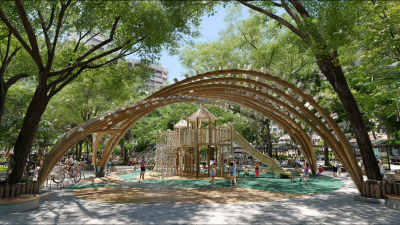
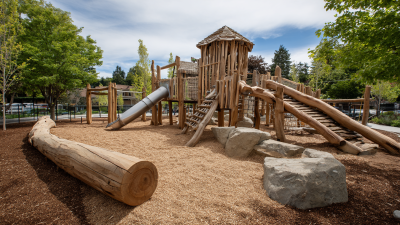
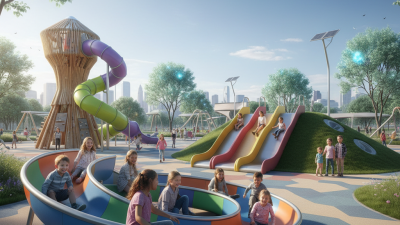
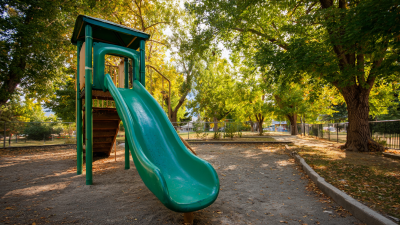
10 Best Outdoor Play Structures for Kids Fun and Adventure?
Outdoor play structures are essential for children’s development and adventure. They inspire creativity and physical activity. A well-designed structure captures a child's attention. It invites them to explore and engage.
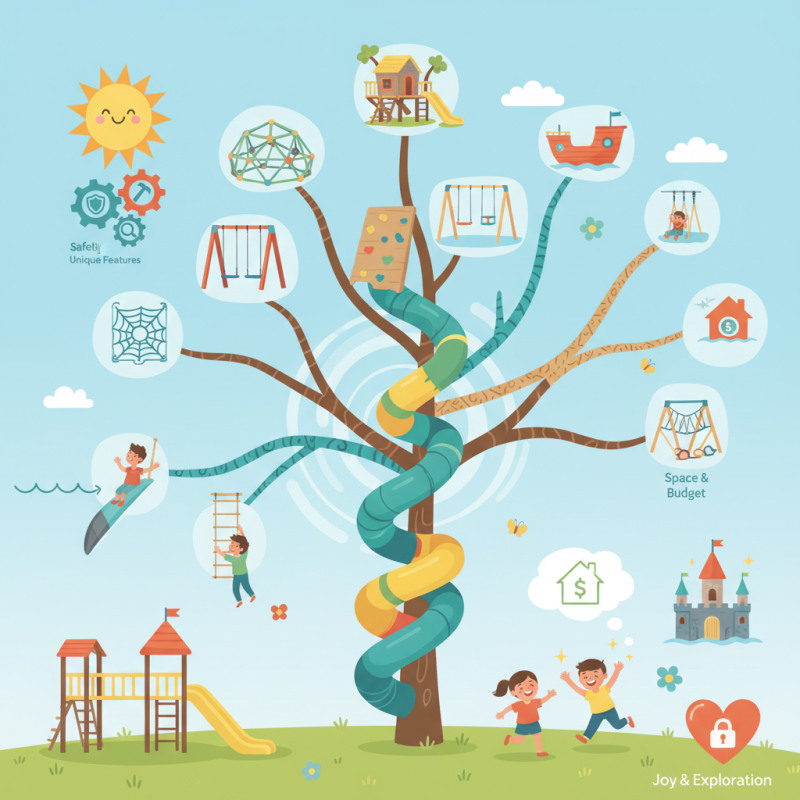
When choosing the best outdoor play structure, consider safety and durability. The materials must withstand weather changes and rough play. Look for unique features like slides, climbing walls, or swings. These elements keep kids entertained for hours. But not every structure meets expectations. Some may require frequent repairs or seem less appealing over time.
Finding the perfect fit can be challenging. Evaluate your space and budget before making a decision. In the end, the joys of play and exploration are worth the effort. An outdoor play structure can enrich a child's life in profound ways.
Top Considerations When Choosing Outdoor Play Structures for Kids
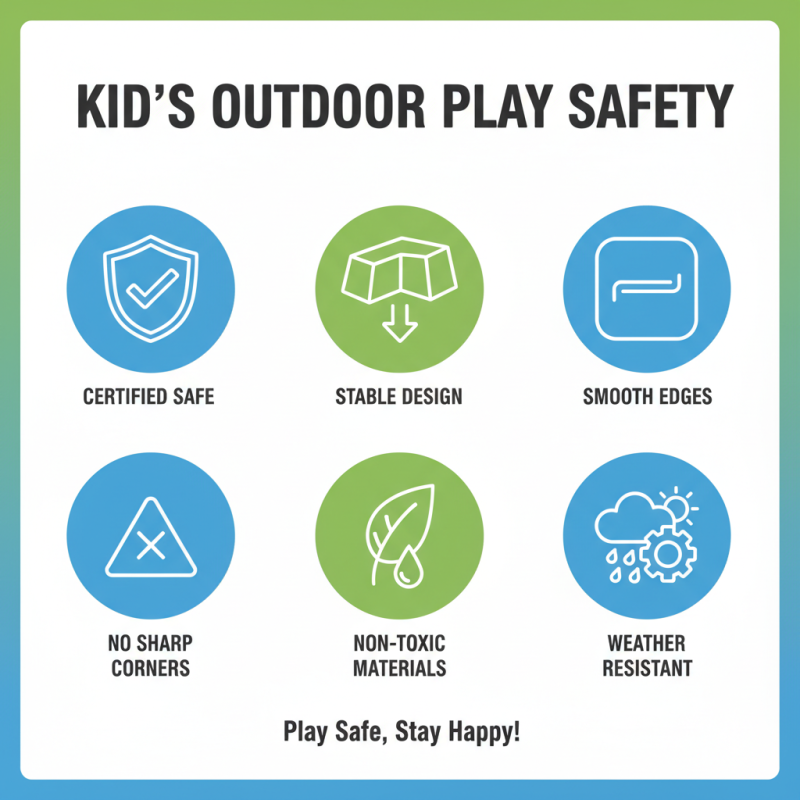
When selecting outdoor play structures for kids, safety should be a top priority. Look for equipment with stable designs and smooth edges. Avoid sharp corners that could pose a risk. Check for safety certificates and ensure the materials used are non-toxic. It’s essential that these structures can withstand weather changes and years of play.
Consider the space you have. Measure your yard to find the right fit. A large structure can overwhelm a small area. Conversely, a tiny playhouse might look lost in a spacious backyard. Think about how many kids will use the structure. Will it serve a solo adventurer or a group of friends?
Here's a quick tip: involve your kids in the decision-making process. They often know what they’ll enjoy the most. It’s also essential to think about replay value. A slide and swing set may entertain at first, but children may quickly crave variety. Adding features like climbing walls or sensory panels can keep their interest longer and promote creativity in play.
Types of Outdoor Play Structures: A Comprehensive Overview
When it comes to outdoor play structures, options abound. These structures encourage children to engage in imaginative play while developing physical skills. Common types include swings, slides, and climbing frames. Each type offers unique benefits and challenges.
Swings are a classic choice. They promote balance and coordination. Slides provide thrilling rides that foster bravery and speed. Climbing frames challenge kids' strength and agility. However, safety must be a priority. Rigid structures can lead to injuries if not carefully monitored. Regular inspections and maintenance are essential for safe play.
Another interesting option is the playhouse. These can inspire creative scenarios. Kids can pretend to be anything they want. Yet, the size and design must also fit the yard space. A too-large structure may dominate the landscape. Additionally, some parents may face hesitation in letting kids explore unsupervised. This can prevent children from fully enjoying their adventure. Creating the right environment is key to outdoor fun and exploration.
Safety Features to Look for in Kids' Outdoor Play Equipment
When choosing outdoor play structures, safety is crucial. Look for rounded edges to prevent cuts and bruises. Smooth surfaces help reduce friction during play. Check for non-toxic materials. Safety should never be compromised for fun.
Consider equipment height. Structures for younger children should not be too tall. They are less aware of risks. Look for sturdy, wide bases to prevent tipping. Install safety mats beneath slides and swings. These can cushion falls effectively.
Inspect handrails and climbing surfaces. They need adequate grip to support small hands. Regular maintenance checks are essential. Ensure everything is secure and stable. Sometimes, it’s easy to overlook rusted parts or loose bolts. Taking a moment to inspect can prevent accidents during playtime.
10 Best Outdoor Play Structures for Kids Fun and Adventure
Innovative Designs and Themes for Play Structures to Spark Imagination
Outdoor play structures are essential for children's growth. They foster creativity, promote physical health, and enhance social skills. Reports indicate that children who engage in imaginative play are more innovative. One study revealed that 80% of kids prefer play environments that inspire exploration.
Designs with themes, like castles or space stations, grab kids' attention. A colorful pirate ship can spark hours of storytelling. Research shows children spending 50% more time at play structures with unique features. Swings, tunnels, and slides encourage active play, but some designs can feel generic and uninspiring.
The challenge lies in balancing safety and creativity. While climbing walls and bridges are exciting, they must comply with safety standards. Safety does not mean dullness, yet some structures overlook vibrant designs. It’s crucial for designers to test ideas that blend safety with imagination. Thoughtful shapes and textures can create a stimulating environment. Asking kids what they want could lead to more engaging structures, meeting their desires while ensuring safety.
Outdoor Play Structures for Different Age Groups and Developmental Needs
Choosing the right outdoor play structure for kids involves understanding their developmental needs. Different age groups have unique requirements.
Toddlers may enjoy smaller climbing frames or sandbox areas. These spaces help enhance their motor skills and encourage imaginative play.
School-aged children need more challenging equipment, like larger slides and rope ladders.
Tip: Look for structures made from durable, safe materials. Check for age recommendations to ensure your child is using equipment suited for their skill level.
When considering features, think about safety first. Soft ground surfaces, secure barriers, and non-toxic materials are essential. It’s easy to overlook these factors in the excitement for new play equipment.
Kids will always want to climb higher or jump further. Parents should encourage safe exploration while setting limits.
Tip: Regularly inspect play structures for wear and tear. Even the safest equipment requires maintenance to keep it fun and secure. Remember, safety doesn't have to stifle creativity. Balancing risk and fun is key in any play setting.
 +86-13901441113

 CONTACT NUMBER
 CONTACT NUMBER