What is the Best Outdoor Playground Sets for Kids?
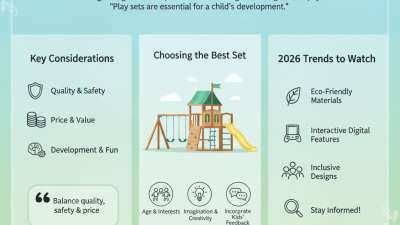
Choosing the right outdoor playground sets is crucial for your child's development. These sets provide a space for fun, exercise, and social interaction. But with so many options available, how do you select the best one?
Consider factors like safety, durability, and design. The ideal outdoor playground sets should be made from high-quality materials that can withstand various weather conditions. Look for features that encourage creativity, such as slides, swings, and climbing walls. Kids thrive when they can challenge themselves physically and mentally in a safe environment.
While research and opinions can help, experience plays a vital role too. Parents and caregivers often have unique insights that can guide your decision. Remember, the best outdoor playground sets not only keep children entertained but also promote their growth and well-being. Prioritize what matters most for your children’s playtime.
What Characteristics Define an Ideal Outdoor Playground Set for Kids?
When selecting an ideal outdoor playground set for kids, certain characteristics stand out. Safety should be a top priority. The ASTM International reports that approximately 200,000 children are treated for playground-related injuries annually in the U.S. Therefore, equipment must meet safety standards. Look for materials free from sharp edges and splinters. Additionally, soft landing surfaces like mulch or rubber mats can reduce injury risks.
Another key feature is age appropriateness. Playground sets should cater to various age groups. The American Academy of Pediatrics emphasizes that equipment designed for young children should allow for exploration while ensuring safety. Items like slides, swings, and climbing structures should be accessible and safe for their specific age range. This encourages active play and helps in physical development.
Durability is a crucial factor as well. Outdoor equipment should withstand weather conditions. Research indicates that playgrounds can deteriorate quickly if not made from high-quality materials. Regular maintenance is often overlooked. It is essential to inspect playgrounds for wear and tear. Neglecting this can lead to hazardous situations. Families should also consider the layout and space available for the playground. Proper spacing allows for safe movement and easier supervision.
Key Safety Standards and Regulations for Outdoor Playground Equipment
When selecting outdoor playground equipment, safety standards are crucial. Equipment must meet the American Society for Testing and Materials (ASTM) guidelines. These standards ensure that materials used are safe and durable for kids. Surfaces should reduce impact, lessening injury risk during falls. Finding a playground that meets these regulations can make a big difference. It's essential to check certifications and compliance records.
Regular inspections of playground equipment are necessary to maintain safety. Parents can look for issues like loose parts or rust. Addressing these concerns quickly can help prevent accidents. Additionally, having a clear safety zone around the equipment is vital. This space allows for safe play and minimizes injuries.
Another factor to consider is age appropriateness. Equipment designed for younger children needs different features than those for older kids. Ensuring that the playground matches the age group can support safe and enjoyable play experiences. Always read the manufacturer's guidelines to understand the limitations and recommendations. Upkeep of the equipment is equally important in keeping it safe for all users.
What is the Best Outdoor Playground Sets for Kids? - Key Safety Standards and Regulations for Outdoor Playground Equipment
| Feature |
Description |
Safety Standards |
Age Range |
Material |
| Swings |
Traditional swings that can accommodate multiple children. |
ASTM F1487, CPSC Guidelines |
2-12 years |
Metal/Plastic |
| Slides |
Curved and straight slides designed for quick descent. |
ASTM F1487, CPSC Guidelines |
2-12 years |
Plastic |
| Climbing Structures |
Various climbing walls and ladders for exploration. |
ASTM F1487, CPSC Guidelines |
3-12 years |
Wood/Metal |
| Playhouses |
Outdoor playhouses for imaginative play. |
ASTM F963 |
2-8 years |
Plastic/Wood |
| Sandbox |
A safe area for digging and playing with sand. |
ASTM F1292 |
1-6 years |
Wood/Plastic |
Top Materials Used in Outdoor Playground Sets: Durability and Maintenance
When choosing outdoor playground sets for kids, material selection is crucial. Durability and maintenance often dictate how long the playground will last. Typically, options include wood, metal, and plastic. Each has its pros and cons, affecting longevity and upkeep needs.
Wooden sets offer a natural look and feel. They can blend into the environment beautifully. However, they may require regular maintenance, like sealing or painting, to prevent rot. Choose rot-resistant wood types, such as cedar or redwood, for added durability. Also, consider the swings, slides, and climbing areas to ensure they withstand daily wear.
Metal playgrounds are robust and weather-resistant. They can handle rough play and extreme weather. Still, they may rust if not treated. Use galvanized or powder-coated metal for corrosion resistance.
Plastic sets are light and often easy to assemble. They require minimal maintenance but can fade in sunlight. A good rule is to inspect and clean regularly to keep them safe and functional.
Look for playgrounds with rounded edges and sturdy construction. Safety should always be the priority. Think about placing the set on a soft surface, such as grass or mulch, to cushion falls. Remember, a happy play area fosters creativity and active play. Trust your instincts and choose wisely. Maintenance is part of the journey, but the joy these sets provide is immeasurable.
Assessing Age-Appropriate Features and Activities in Playground Designs
When selecting outdoor playground sets, it's crucial to consider age-appropriate features and activities. Young children thrive on sensory experiences. Swings, slides, and climbing structures help develop their motor skills. A well-designed playground allows toddlers to explore safely while promoting imaginative play. This exploration boosts their confidence and encourages social interaction.
For older kids, the focus shifts to more challenging activities. Obstacle courses enhance physical abilities and foster teamwork. Incorporating elements like balance beams and zip lines can keep them engaged. However, addressing safety concerns is essential. Playgrounds must be age-segregated to prevent mishaps between different age groups. Ultimately, the design should stimulate growth while keeping safety at the forefront.
Creating a thoughtful playground experience isn't always straightforward. Many designs overlook the importance of inclusive play areas. Not every child has the same physical abilities, so ensuring everyone can participate is vital. An effective playground also incorporates shaded areas for rest. Assessing these features will lead to a more enjoyable outdoor experience for all.
Evaluating the Cost and Value of High-Quality Playground Equipment Options
When evaluating outdoor playground sets for kids, considering cost and value is essential. High-quality playground equipment should be durable and safe. It should withstand various weather conditions and provide a fun experience for children. Families often face confusion choosing the right set for their backyard.
Investing in a sturdy set can be a long-term commitment. Cheaper options may save money initially but often wear out quickly. Frequent replacements can lead to higher costs over time. It’s crucial to assess not just the price but the lifespan and safety features. Look for sets with strong materials, reliable warranties, and positive user reviews.
One point to consider: skip the flashy features if they compromise safety. Focusing on essential elements like safety rails, soft surfaces, and solid construction is wise. Parents should prioritize playsets that meet safety standards.
Reflecting on the choice can lead to better decisions. Consider how often the equipment will be used and the age of the children. A larger set may seem appealing, but a compact, safer option might suit smaller yards. Investing time in research pays off, leading to a considerate choice that ensures countless hours of joyful play.
 +86-13901441113

 CONTACT NUMBER
 CONTACT NUMBER