How to Choose the Best Outdoor Play Sets for Your Children
When considering the best Outdoor Play Sets for your children, expert Jamie Smith emphasizes, "Safety and fun go hand in hand." Choosing the right set can be daunting. So many options are available, each boasting different features. It's essential to find something that fits both your child’s needs and your space.
Outdoor Play Sets offer a valuable opportunity for children to engage in physical activity. However, not all sets are created equal. Some may lack safety features or durability. Parents often overlook important aspects like age-appropriateness or material quality. These factors can make a significant difference in your child’s play experience.
Selecting the ideal set requires careful thought. Think about your child’s interests and how the set can stimulate their imagination. You might find a perfect-looking set, but if it doesn’t inspire your child, it may fall flat. Reflecting on these elements will help ensure your investment is worthwhile and truly enjoyable.
Understanding the Different Types of Outdoor Play Sets Available
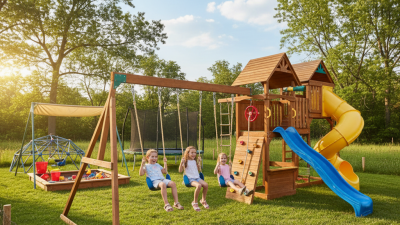
When choosing an outdoor play set for your children, it is essential to understand the different types available. There are traditional swings and slides, which are compact and often budget-friendly. These sets encourage imagination and social interaction among kids. They can be perfect for smaller backyards, allowing children to engage in active play.
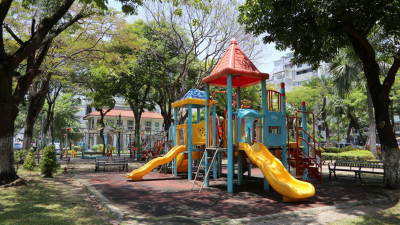
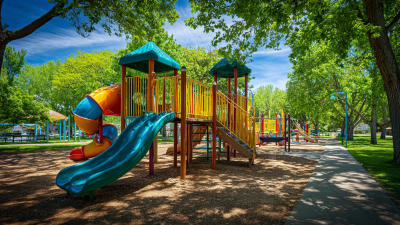
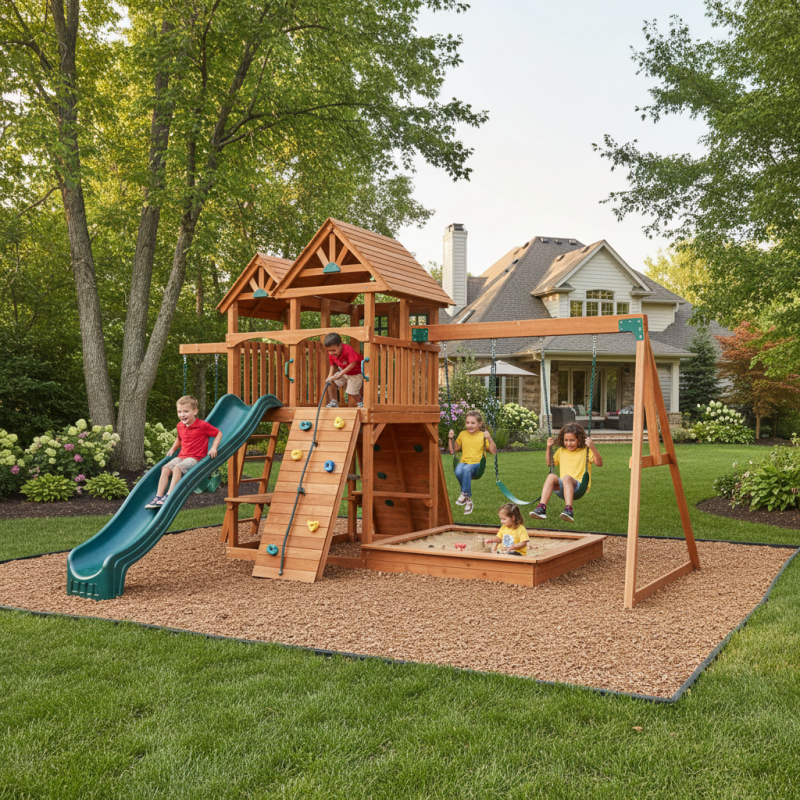
Another popular type is the multi-functional play set. These usually include climbing walls, monkey bars, and fort-like structures. They offer various activities that cater to different age groups and interests. This versatility can lead to endless hours of fun. However, installation can be complex, and ensuring safety is crucial.
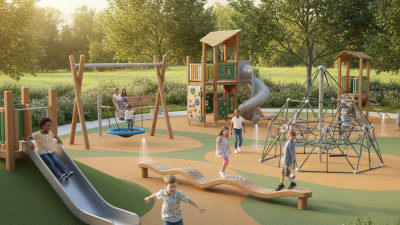
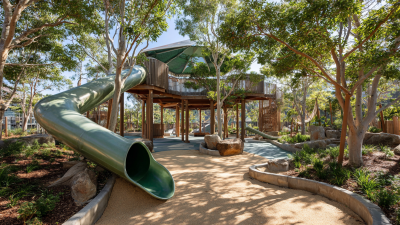
Don’t forget about natural play equipment like climbing logs or sandboxes. They promote creative play and connection with nature. It’s also worth noting that some products may not meet safety standards. Researching your options is vital. Reflect on the space you have and the age of your children. An informed choice can create a delightful play experience.
Outdoor Play Sets Comparison
This chart compares the average prices of different types of outdoor play sets for children, including wooden, metal, plastic, and composite options. Understanding these differences can help you make an informed choice for your child's outdoor play experience.
Evaluating Safety Features for Outdoor Play Equipment
When choosing outdoor play sets, safety should be your top priority. Look for equipment made from durable, non-toxic materials. Check the construction for any sharp edges or splinters. Inspect railings and steps for stability. Soft, rounded edges can prevent injuries.
Evaluate the playground's surface. Grass may look good but doesn't cushion falls. Rubber mats or sand are better options. Regularly inspect the area for hazards like rocks or holes. It’s also wise to consider the design. Avoid setups that can tip over easily.
Don't forget height limits. For younger children, lower slides and swings are safer. Always supervise playtime. Even the safest equipment can't replace adult vigilance. Regularly remind kids of safe play rules. Keeping an eye on them ensures a fun environment while minimizing risks.
Assessing the Durability and Weather Resistance of Materials
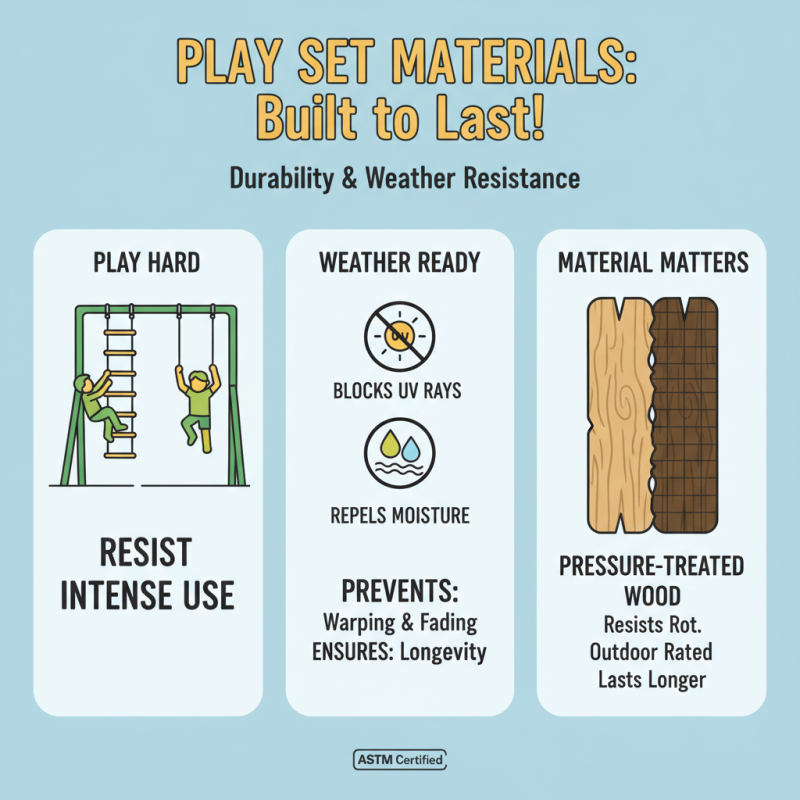
When selecting an outdoor play set, durability and weather resistance are crucial factors. Most kids play hard, and the materials must withstand intense use. According to the American Society for Testing and Materials, outdoor equipment should resist UV rays and moisture. This prevents warping and fading, ensuring longevity. For example, pressure-treated wood can last longer than untreated wood. It withstands rot and is often rated for outdoor use.
However, not all materials hold up equally well. Some plastic sets may seem attractive, but they can degrade over time. Studies show certain plastics can become brittle when exposed to the sun for years. This can result in cracks and sharp edges, which are unsafe for children. Aluminum is lightweight and won't rust, making it a reliable choice. Yet, it may not provide the same stability as heavier materials.
It's also essential to consider local climate conditions. In areas with heavy rainfall, look for treatment options that offer better water resistance. Conversely, in dry climates, sun protection is paramount. Families should research and compare different materials. Understanding these elements will guide parents to make more informed decisions.
Considering Age Appropriateness and Skill Development Opportunities
When selecting outdoor play sets, consider age-appropriateness carefully. Each age group has unique needs. Toddlers benefit from smaller structures with simple features. Basic slides and low swings can spark their imagination. For older children, climbing walls and taller slides encourage adventure. This promotes physical fitness and confidence.
Skill development should also factor into your choice. Look for sets that challenge children's motor skills. A balance beam improves coordination. An area for imaginative play fosters creativity. Children can learn valuable social skills while playing together. However, not all families have space for large structures. It’s important to think about what fits your yard.
Don’t forget safety! Choose materials that are sturdy and non-toxic. Some sets may seem appealing but can pose risks. Regular maintenance is essential to keep the play area safe. Check for sharp edges or loose parts. Reflect on your children's interests. What do they enjoy? Picking play sets that align with their passions is not always easy. Trust your instincts and allow some trial and error in the decision-making process.
How to Choose the Best Outdoor Play Sets for Your Children - Considering Age Appropriateness and Skill Development Opportunities
| Age Group |
Play Set Type |
Key Skills Developed |
Recommended Features |
| 2-4 years |
Small Climbing Structures |
Gross Motor Skills, Coordination |
Low Height, Soft Edges, Easy Access |
| 4-6 years |
Slides and Swing Sets |
Balance, Strength, Social Skills |
Multi-Activity Options, Safety Features |
| 6-8 years |
Adventure Play Systems |
Problem Solving, Teamwork, Motor Skills |
Variety of Challenges, Climbing Walls |
| 8+ years |
Obstacle Courses |
Agility, Strength, Resilience |
Customizable Elements, Heightened Challenges |
Setting a Budget and Comparing Costs of Outdoor Play Sets
When setting a budget for outdoor play sets, it's essential to understand the average costs involved. Research indicates that high-quality play sets typically range from $300 to $3,000. A report from the National Association of Amusement Ride Safety Officials states that investing in durable materials is crucial for long-term safety and enjoyment.
Consider your financial situation carefully. Some families may find themselves overspending on elaborate sets, only to realize they don't have enough left for maintenance costs. It's wise to account for additional expenses, such as installation or protective surfaces.
Tip: Create a comparison chart with various options. Include prices, features, and any user reviews. This can help you identify the best value for your money.
Remember, budgets are not just limits; they also encourage thoughtful decisions. You may feel tempted to choose popular styles, but explore varying designs that may fit better with your property. The uniqueness might even spark more imaginative play in your children.
Tip: Visit local parks to see and experience different play structures. Observing others can provide inspiration and clarity on what truly suits your needs.
 +86-13901441113

 CONTACT NUMBER
 CONTACT NUMBER