How to Choose the Best Outdoor Play Sets for Kids Fun and Safety
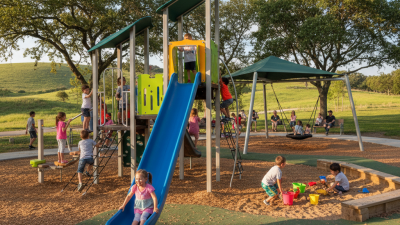
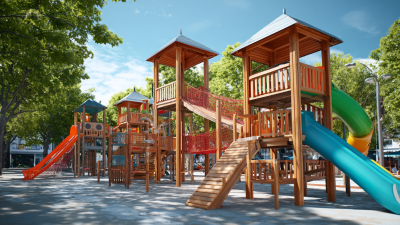
Outdoor play sets are essential tools for fostering children's physical and social development, providing an avenue for expressive play, creativity, and active engagement. Research from the American Academy of Pediatrics suggests that unstructured outdoor play contributes significantly to children's overall health and well-being, reducing the risk of obesity and promoting cognitive growth. Furthermore, a report from the National Association for the Education of Young Children highlights that outdoor play environments can enhance children’s learning experiences, enabling them to develop critical social skills through cooperative play.
When it comes to selecting the best outdoor play sets, safety and durability are paramount considerations for parents. According to the Consumer Product Safety Commission, thousands of injuries occur each year due to improper use of outdoor play equipment, underscoring the importance of choosing high-quality, safety-compliant sets that can withstand the rigors of active play. Additionally, many experts emphasize that outdoor play sets should not only be fun but also encourage children to explore their environment, thus enhancing their imaginative play. With the right approach, families can create enriching outdoor spaces that promote fun and safety, making the most of these vital playsets in their children's development.
Understanding the Importance of Safety Standards in Outdoor Play Sets
When selecting outdoor play sets for children, understanding safety standards is paramount. According to the American Society for Testing and Materials (ASTM), layers of safety guidelines are necessary to mitigate risks associated with outdoor play environments. Reports suggest that nearly 200,000 children are treated for playground-related injuries annually, emphasizing the critical role of adherence to established safety protocols during the design and manufacturing of play sets. Choosing products that meet or exceed these standards can significantly reduce injury risk, offering peace of mind to parents.
To ensure maximum safety when selecting a play set, consider these tips: First, verify that the equipment adheres to the latest ASTM and Consumer Product Safety Commission (CPSC) standards, which are designed to ensure robustness and reliability. Secondly, assess the materials used in the play set. Look for options made from high-quality, durable materials such as treated wood or heavy-duty plastics that are specifically designed to withstand weather conditions and regular use. Lastly, consider the design features, including rounded corners and non-toxic finishes, to minimize hazards during play.
Children thrive in safe environments; therefore, investing in play sets that prioritize safety through compliance with industry standards isn’t just a smart choice—it’s essential for nurturing their playful spirits while protecting their well-being. The right selection can foster enjoyable and safe experiences for years to come.
How to Choose the Best Outdoor Play Sets for Kids Fun and Safety
| Dimension |
Safety Standard |
Material Type |
Recommended Age |
Maintenance Frequency |
| 10 ft x 10 ft |
ASTM F1487 |
Wood |
2-10 years |
Annually |
| 8 ft x 6 ft |
CPSC |
Metal |
3-8 years |
Semi-Annually |
| 12 ft x 12 ft |
EN 1176 |
Plastic |
3-12 years |
Quarterly |
| 15 ft x 10 ft |
ISO 8124 |
Composite |
5-14 years |
Bi-Annually |
Evaluating Material Durability and Weather Resistance for Longevity
When selecting outdoor play sets for children, evaluating
material durability and
weather resistance is essential to ensure
safety and longevity. According to a report by the
International Playground Equipment Manufacturers Association,
playground equipment made from
high-density polyethylene (HDPE) and
treated wood tends to withstand various climatic conditions better than untreated materials.
HDPE, being resistant to rot and UV damage, can last
for years without significant wear, making it an ideal choice for outdoor play structures
exposed to sun and rain.
Furthermore, the
American Society for Testing and Materials (ASTM)
highlights the importance of
corrosion-resistant metals, such as
galvanized or powder-coated steel, which are commonly used in swing sets and climbing frames.
These materials not only enhance the structural integrity of the equipment but also prevent
deterioration over time, especially in areas with harsh weather conditions.
Regular maintenance and inspections are crucial,
as they can extend the lifespan of play sets, ensuring that they remain safe and fun for children.
A well-chosen outdoor play set should combine durable materials with thoughtful design to withstand both
the test of time and the rigors of outdoor play.
Analyzing Age Appropriateness and Developmental Benefits of Play Equipment
When choosing outdoor play sets, it is crucial to consider age appropriateness as well as the developmental benefits they provide for children. According to the American Academy of Pediatrics, play is a fundamental aspect of childhood that aids in physical, cognitive, and social development. For toddlers aged 2-3 years, equipment that enhances gross motor skills—such as small slides, climbing structures, and balance beams—is ideal. These play sets should feature soft materials for safety, encouraging exploration and active play while minimizing the risk of injury.
As children grow, their play preferences and developmental needs change. The National Association for the Education of Young Children highlights that children aged 4-7 benefit from equipment that offers more complex challenges, such as larger slides and multi-level play structures. Such equipment supports not only physical development through climbing and jumping but also promotes social skills through cooperative play. Moreover, research from the Outdoor Play and Learning (OPAL) program indicates that children who engage in more varied outdoor activities tend to exhibit improved problem-solving abilities and increased creativity. Thus, selecting outdoor play sets that align with developmental stages ensures that children gain maximized benefits while enjoying safe and engaging play experiences.
Comparison of Outdoor Play Sets by Age Appropriateness and Developmental Benefits
This bar chart illustrates the evaluation of outdoor play sets across various age groups in terms of physical development, social skills, and cognitive development. Each dataset represents the perceived benefits of play equipment designed for different developmental stages.
Considering Space and Layout for Optimal Play Area Design
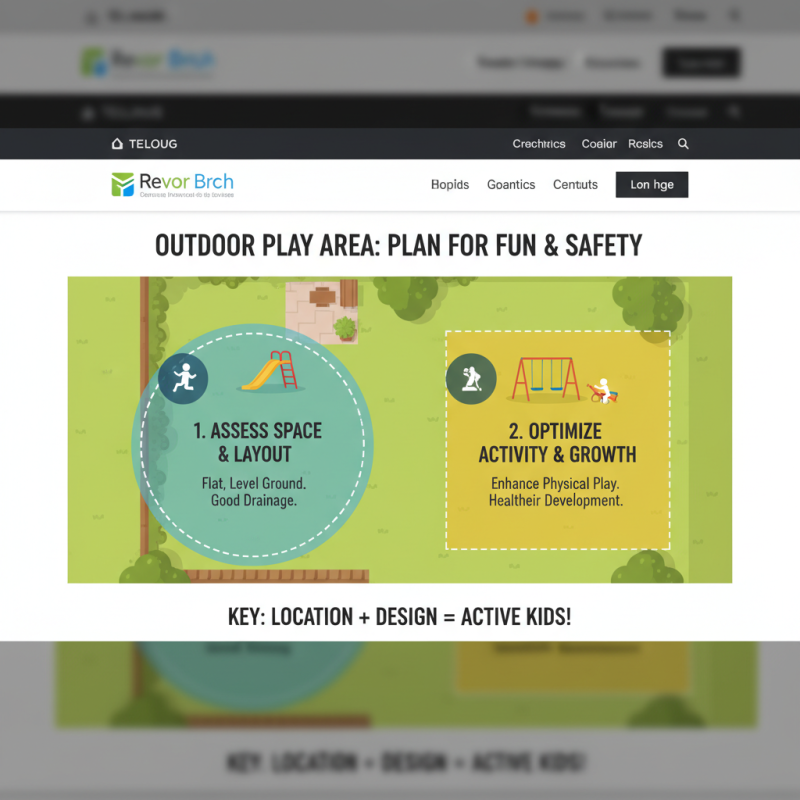
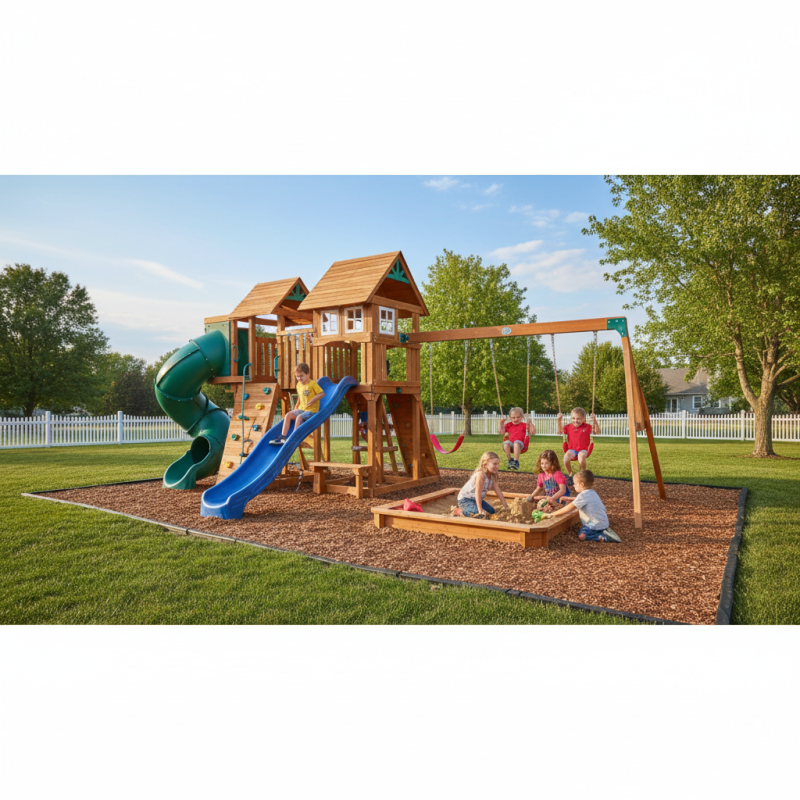
When planning an outdoor play area for children, understanding the space and layout is crucial for creating an optimal environment for fun and safety. Research from the American Association of Pediatrics indicates that a well-designed play area can significantly enhance children's physical activity levels, contributing to healthier growth and development. Before selecting play sets, parents should assess the available space in their yard or designated area. Ideally, play equipment should be situated in a flat, level area with good drainage to avoid muddy conditions, which can lead to injuries.
Furthermore, it is essential to allow for adequate spacing between different elements of the play set to prevent collisions and ensure safe movement. According to the Consumer Product Safety Commission, at least 6 feet of clearance around play structures is recommended to prevent injuries from falls. Incorporating safety surfacing materials, such as mulch or rubber mats, can further mitigate risks. As a guideline, the depth of protective surfacing should be equal to the height of the highest jump from the structure, often recommended to be 12 inches for optimal safety. With careful consideration of space and layout, parents can create an inviting and secure play environment that fosters active play while minimizing the risk of accidents.
Researching Consumer Reviews and Ratings for Informed Choices
When selecting outdoor play sets for children, paying attention to consumer reviews and ratings can significantly enhance your decision-making process. According to a report by the American Academy of Pediatrics, nearly 200,000 children are treated in emergency rooms for playground-related injuries each year. This statistic highlights the importance of not only evaluating the product's functionality but also considering safety features. Reviews often provide valuable insights into how well these play sets withstand regular use, the durability of materials, and the effectiveness of safety features, such as soft landing surfaces or secured structures.
In addition to safety, consumer feedback can illuminate aspects of play sets that contribute to children’s development. A study published in the Journal of Child Development found that engaging outdoor play promotes social skills and physical health. Reading through reviews allows parents to gauge how different play sets encourage imaginative play and physical activity, which are crucial for childhood development. Since most families rely heavily on user experiences, platforms like consumer report aggregators can give clear indicators of which products foster safe and enriching environments for children. By analyzing these ratings and comments, parents can make informed choices, ensuring that they select outdoor play sets that align with their safety priorities and developmental goals for their children.
 +86-13901441113

 CONTACT NUMBER
 CONTACT NUMBER