How to Choose the Best Outdoor Playground Toys for Kids?
Choosing the right outdoor playground toys is crucial for kids’ development. These toys promote physical activity, social skills, and creativity. Parents often feel overwhelmed by the options available. There are swings, slides, climbing structures, and more. Each has its unique benefits and challenges.
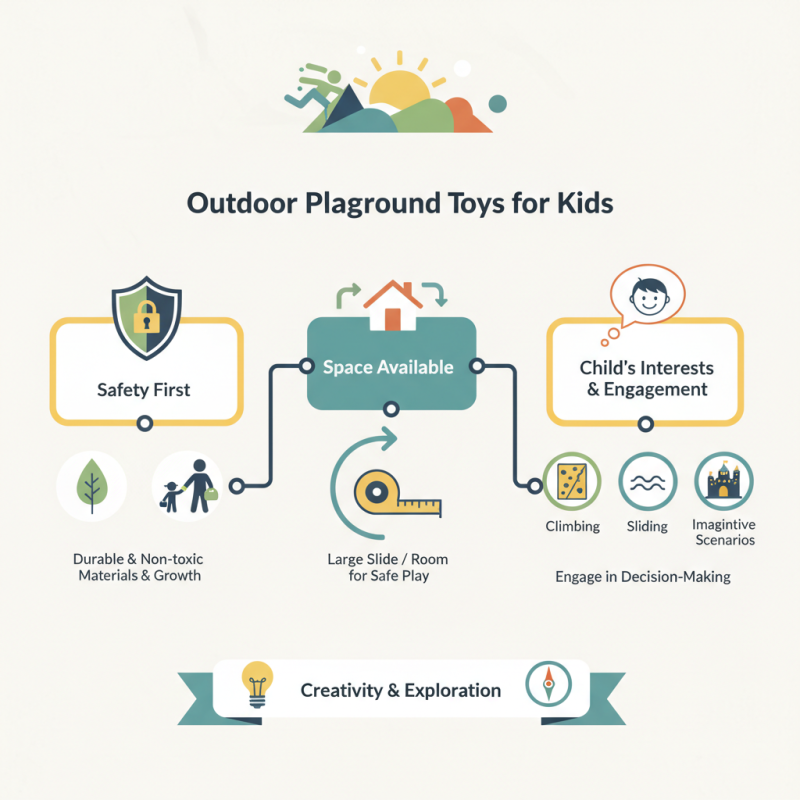
When selecting outdoor playground toys, consider safety first. Ensure that materials are durable and non-toxic. Look for age-appropriate items that can grow with your child. Additionally, think about the space available. A large slide might be exciting, but it needs enough room for safe play.
It’s also important to reflect on the type of play your child enjoys. They may prefer climbing, sliding, or imaginative scenarios. Engaging them in the decision-making process can be beneficial. After all, outdoor play should be fun and fulfilling. Remember, the best toys inspire creativity and provide opportunities for exploration.
Understanding the Importance of Outdoor Playground Toys for Kids
Outdoor playground toys are crucial for children's growth and development. They offer opportunities for physical exercise, social interaction, and imaginative play. According to a report from the American Academy of Pediatrics, children who regularly play outside are less likely to be overweight. Outdoor play promotes overall well-being, helping kids to develop strong bones and muscles.
Engaging with playground equipment can boost a child's confidence. When children climb, slide, or swing, they learn risk management and improve problem-solving skills. A study by the Centers for Disease Control and Prevention found that outdoor play is linked to improved mood and reduced anxiety levels in children. However, selecting the right toys is vital. Not every piece of equipment fosters these benefits effectively.
**Tip:** Look for toys that encourage movement and interaction. Swings, climbing walls, and balance beams promote physical coordination.
A balance of safety and challenge is essential. Ensure the playground is well maintained, with surfaces that minimize injuries. Yet, avoid overly safe environments. Overly cushioned play sites may limit adventurous behaviors. Children should face manageable risks to foster resilience.
**Tip:** Observe your child’s behavior during play. Their comfort level with challenges can guide your choices.
Outdoor Playground Toys Popularity by Type
Factors to Consider When Selecting Playground Toys for Different Ages
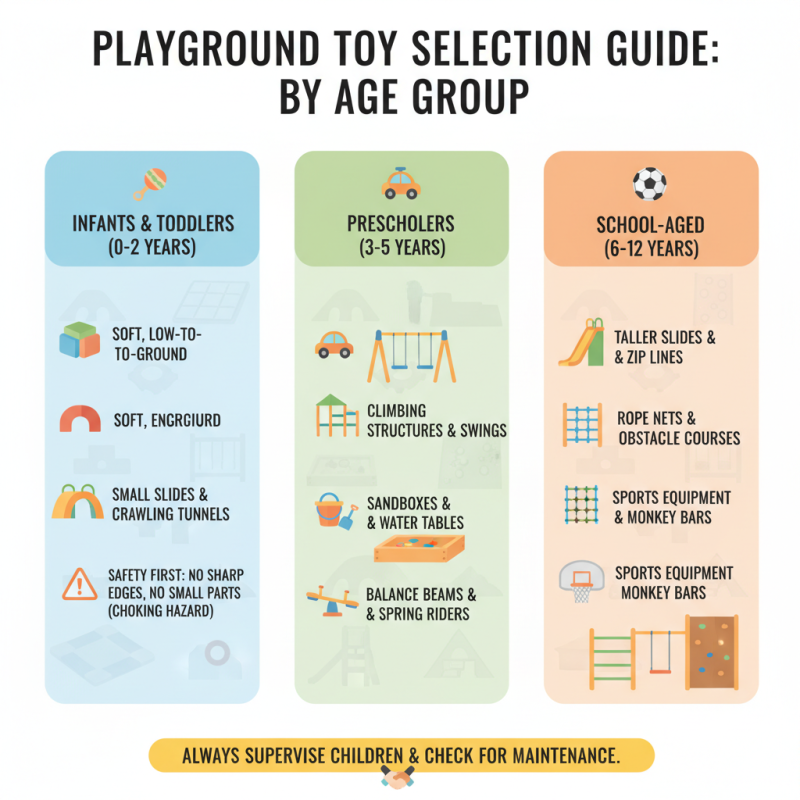
Choosing outdoor playground toys requires careful consideration based on children's ages. Infants and toddlers often need softer, low-to-the-ground equipment. They enjoy things like small slides or crawling structures. Safety is crucial at this stage. Keep an eye out for sharp edges and small parts that can pose choking risks.
For preschoolers, look for toys that nurture physical skills. Climbing structures, swings, and sandboxes engage their curiosity and help build motor skills. Bright colors and fun shapes appeal to this age group. However, some toys may not withstand rough play. Regular checks for wear and tear can prevent accidents.
Older children crave more challenge and adventure. They enjoy equipment that encourages social play, like climbing walls or multi-user swings. Still, consider the varying skill levels among friends and siblings. It’s important to ensure all children can play safely together. Setting clear rules and monitoring playtime can help create a fun environment for everyone. Keep in mind that active supervision remains vital, even with well-designed toys.
Evaluating Safety Standards and Materials in Outdoor Toys
Choosing outdoor playground toys for kids requires careful consideration of safety standards and materials. Parents should prioritize toys constructed from high-quality, durable materials. Look for items made from weather-resistant plastics or treated wood. These materials can withstand the elements while ensuring safety during play. It's essential to avoid toys with sharp edges or small parts that could pose choking hazards.
Additionally, check if the toys comply with safety certifications. Various standards exist to guarantee the products meet specific safety criteria. While navigating these standards can be challenging, it's worth the effort for the well-being of your children. Always inspect the toys for any signs of wear or damage. A broken swing or a cracked slide can lead to unfortunate accidents.
Outdoor play encourages physical activity, but safety should always come first. Parents might struggle with determining which toys are appropriate. Build a list based on factors like age, developmental stage, and play styles. Engaging in this process is crucial for ensuring a safe and fun environment for children.
How to Choose the Best Outdoor Playground Toys for Kids?
| Toy Type |
Age Group |
Material |
Safety Standards |
Durability |
| Swing Set |
3-8 years |
Metal, Plastic |
ASTM, EN71 |
High |
| Slide |
2-7 years |
Plastic |
CPSC, EN1176 |
Moderate |
| Climbing Frame |
3-10 years |
Wood, Metal |
ASTM, ISO |
High |
| Sandbox |
2-6 years |
Plastic, Wood |
ASTM, CPSIA |
Moderate |
| Seesaw |
4-10 years |
Metal, Plastic |
ASTM, EN71 |
High |
Types of Outdoor Playground Toys and Their Benefits
When choosing outdoor playground toys, understanding the types and their benefits is essential. Popular options include
swings, slides, climbing frames, and balance beams.
According to the Outdoor Play Equipment Market report, these toys promote physical activity and social skills among children.
For instance, climbing toys enhance motor skills and coordination. They help improve overall fitness levels.
Tips: Look for toys made from durable materials.
Safety should always come first. Toys should be age-appropriate to avoid injuries.
Another vital aspect is the potential for imaginative play.
Modular playsets encourage creativity, allowing kids to create their own adventures.
These toys can lead to hours of engagement. Research shows that imaginative play is crucial for cognitive development.
Unfortunately, many parents overlook this aspect in favor of flashy toys.
Tips: Consider multifunctional toys. A good toy offers various play options.
It can adapt as children grow.
Both safety and versatility matter. Inspect toys for potential hazards, like sharp edges or small parts.
A little reflection on the types of toys can help parents make better choices. Engaging with children during playtime
can further enhance their experience.
Tips for Maintaining and Caring for Outdoor Playground Toys
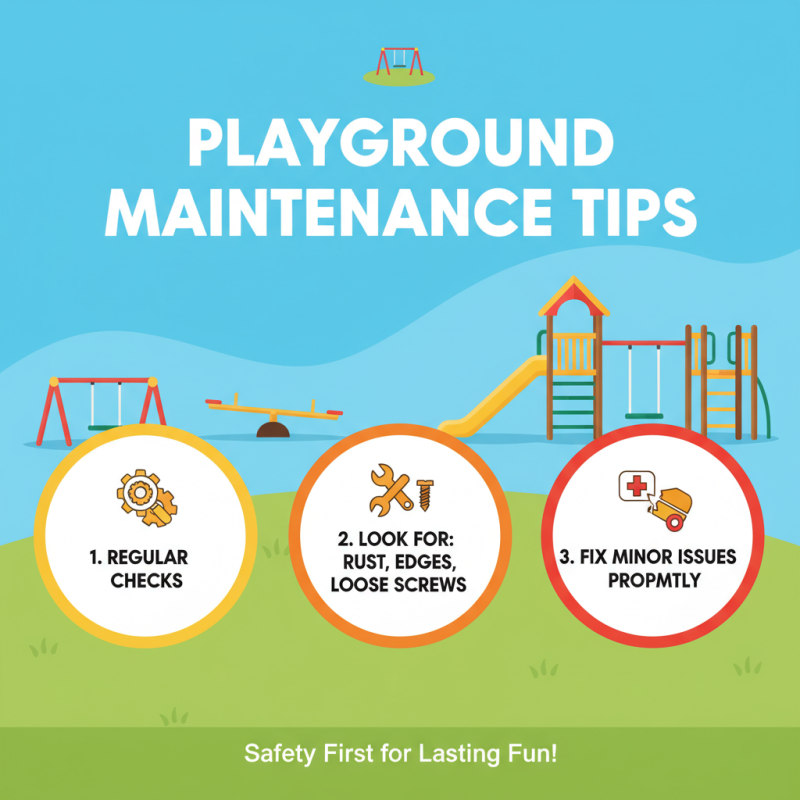
Maintaining outdoor playground toys is essential for safety and longevity. Regular checks are vital. Look for rust, sharp edges, or loose screws. These can pose risks. Address any signs of wear immediately. It’s better to fix minor issues before they escalate.
Cleaning your toys regularly is another critical step. Use soap and water to remove dirt and grime. This keeps them looking fresh. Occasionally, a deeper clean with specialized cleaners can help. Ensure that any cleaning agents are kid-friendly and non-toxic.
Storage is equally important. When not in use, store toys properly. Keep them in a dry, shaded place to prevent fading. Extreme weather can cause damage. Covering them with tarps is a good idea. It sounds simple, but consistent care will extend their life. Regular maintenance can be time-consuming, but it is a necessary part of responsible ownership.
 +86-13901441113

 CONTACT NUMBER
 CONTACT NUMBER