Leave Your Message

How to Choose the Top Playground for Your Child's Enjoyment?

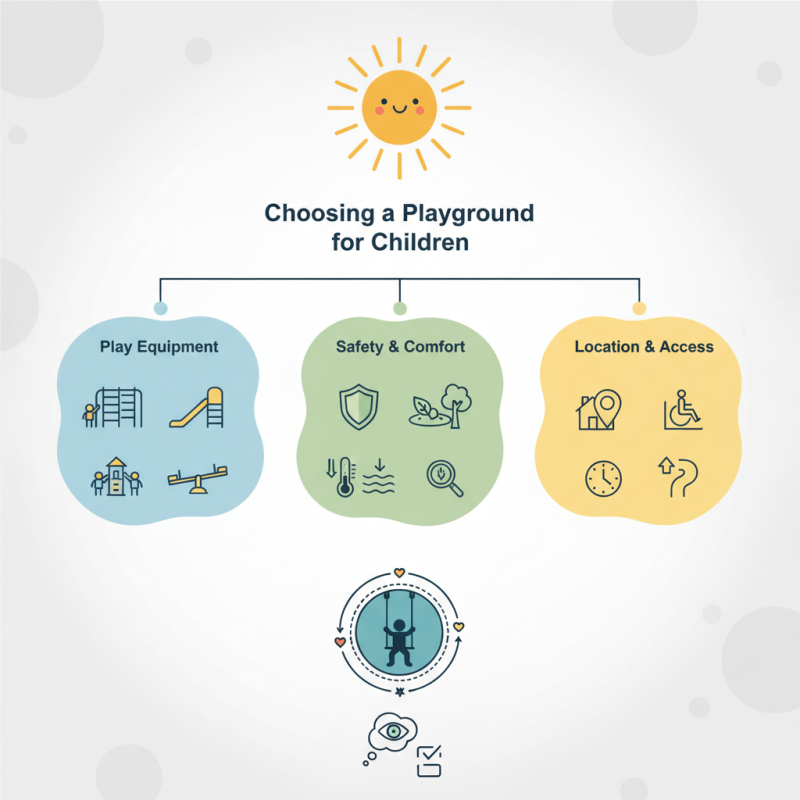
Choosing the right play area can be overwhelming. Parents want the Top Playground for their children, but what does that mean? A Top Playground should cater to various interests and needs. It should include equipment for climbing, sliding, and social interaction.

Safety is crucial. Look for well-maintained structures and soft ground surfaces. Check for age-appropriate zones. Are there any shaded areas for hot days? Along with safety, consider the location. Is it close to home or in a busy area? Accessibility matters. Not all playgrounds are easy to reach.

You may find playgrounds that seem ideal at first glance. But upon visiting, you notice wear and tear or a lack of amenities. These are points to reflect on. Your child's enjoyment is ultimately the goal. Investing time in research ensures a better play experience. Choose wisely.
How to Choose the Top Playground for Your Child's Enjoyment?

Factors to Consider When Selecting a Playground for Your Child

How to Choose the Top Playground for Your Child's Enjoyment?

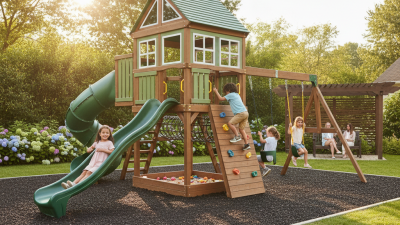
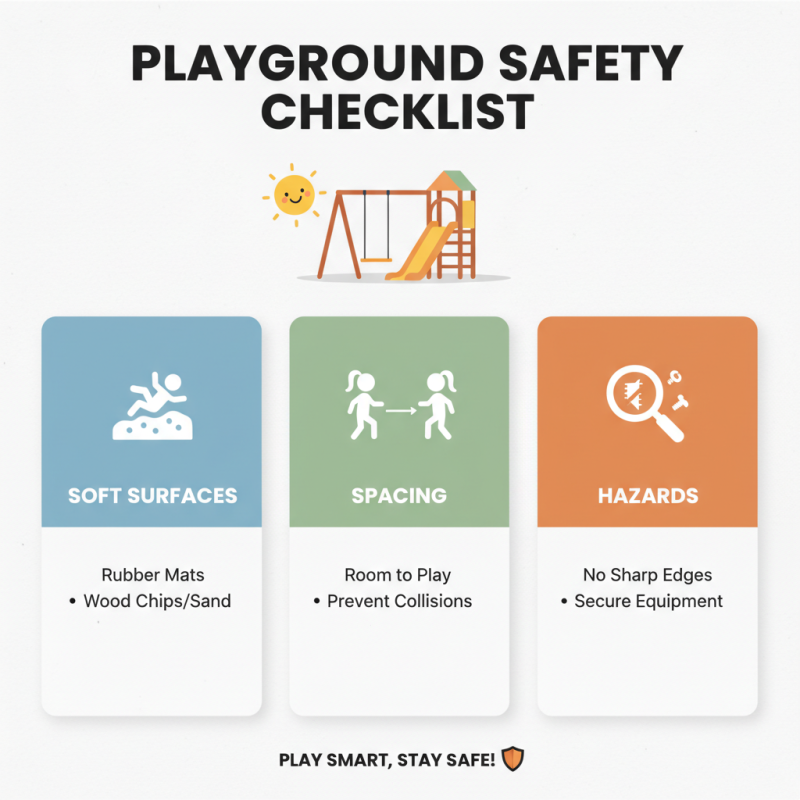
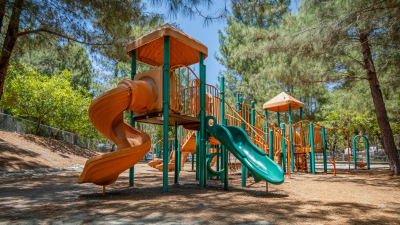
Choosing the right playground for your child involves several essential factors. Safety is paramount. Check for soft surfaces under play equipment. Look for proper spacing between structures to prevent injuries. Inspect for any potential hazards like sharp edges.

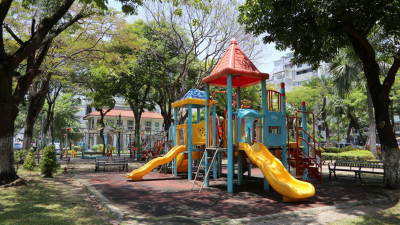
Age-appropriate equipment is also crucial. Ensure that the playground offers sections for different age groups. Young children need smaller slides and climbing structures. Older kids might enjoy more complex designs. Variety in play options keeps children engaged and encourages social interaction.

Accessibility is another factor to consider. A playground should be approachable for all children, including those with mobility challenges. If it's difficult for some kids to join in, the space loses its charm. Remember, it's okay if not every playground checks all boxes. Reflection on what works best for your child makes a big difference.
Safety Standards and Equipment Quality in Playgrounds

When choosing a playground for your child, safety standards and equipment quality are crucial. Playgrounds should comply with local safety regulations. This ensures that the equipment is designed to minimize injury risks. Look for age-appropriate structures. Young children need equipment that suits their size and abilities.

Tips: Always check for soft surfaces under swings and slides. They can help cushion falls. Look for wear and tear. Rusty or damaged equipment can pose dangers. Inspect the surroundings. Fencing and clear sightlines can help keep children safe.

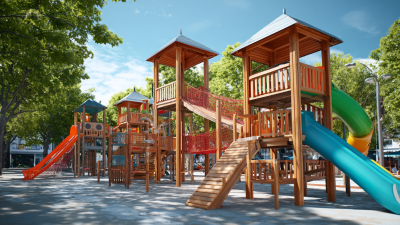
Additionally, consider maintenance. Playgrounds that lack regular checks can become unsafe over time. Old mulch can harden and lose its effectiveness. Pay attention to the number of children using the space. Crowded areas can increase accidents. The quality of materials matters too. Avoid playgrounds with splintered wood or sharp edges.

Tips: Engage with other parents about their observations. Their experiences can provide insights. Familiarize your child with the rules of play. Proper behavior can enhance their safety. Encourage them to speak up if they feel unsafe.

Accessibility Features for Children with Disabilities

How to Choose the Top Playground for Your Child's Enjoyment?

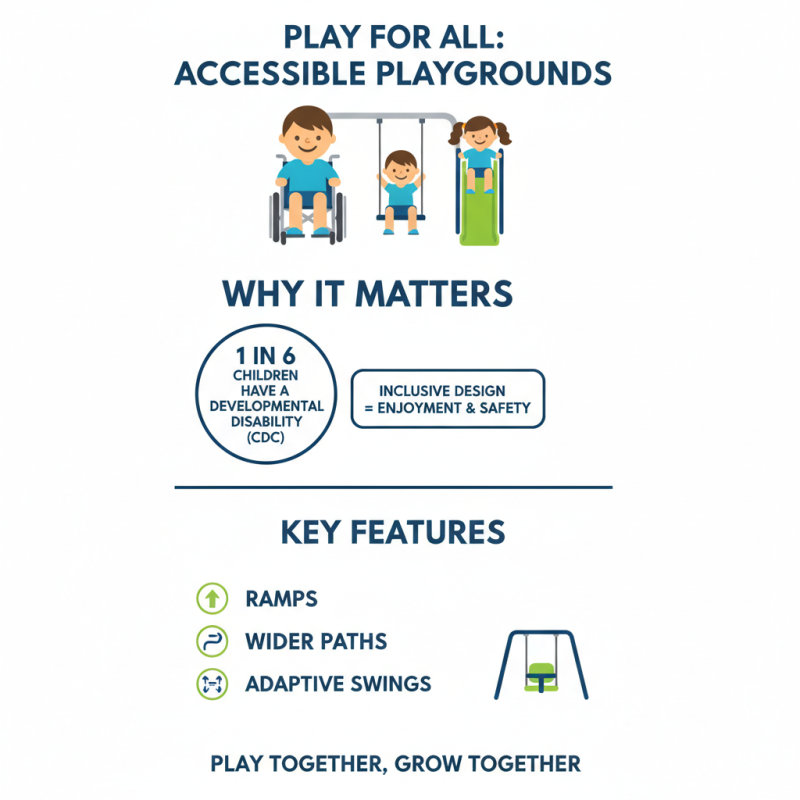
When selecting a playground, it's crucial to consider accessibility features. About 1 in 6 children has a developmental disability, according to the CDC. This means inclusive design is essential for their enjoyment and safety. Accessible playgrounds include ramps, wider paths, and adaptive swings. These features allow children with disabilities to play alongside their peers.

Tips for choosing the right playground: Look for places that have sensory-rich play equipment. This equipment often helps children who struggle with sensory processing. Ensure there are ample spaces for wheelchairs and mobility aids. Do not overlook shaded areas for children sensitive to sunlight.

Pay attention to the ground surfaces as well. Soft, impact-absorbing materials help reduce the risk of injury. However, some surfaces may not be wheelchair-friendly. Assess if the playground has well-marked signage and support for caregivers. Many playgrounds still need improvement in this area. Engaging with local communities can foster development in accessible designs. Collaboration leads to better options for every child.

Age-Appropriate Play Areas and Their Importance

Choosing a playground that suits your child's age is vital for their enjoyment and development. Age-appropriate play areas encourage skill-building and social interaction. According to the American Academy of Pediatrics, children aged 2-5 need spaces designed for gross motor skills. This includes climbing structures and slides that are safe for their size. Without these suitable features, toddlers may feel frustrated or unsafe, which could hinder their play experience.

For older children, ages 6-12, playgrounds should offer more complex challenges. Features like monkey bars and obstacle courses help develop strength and coordination. A study from the National Recreation and Park Association highlights that children engaging in physical play can reduce obesity risk by 30%. However, many playgrounds still fail to provide adequate equipment for various age groups, leading to less inclusive play environments. Parents must inspect play areas before visiting to ensure they meet their child's development stage.

Accessibility is another crucial element. Not all children thrive in the same environment. Some may have sensory processing difficulties or physical limitations. Play areas that lack quiet spaces or accessible equipment may leave these children feeling excluded. Finding a balance in design is key. Parents can advocate for better playground standards by voicing their concerns to local authorities, pushing for more inclusive playgrounds.

How to Choose the Top Playground for Your Child's Enjoyment? - Age-Appropriate Play Areas and Their Importance

Age Group Recommended Play Equipment Safety Features Benefits
1-2 Years Soft play areas, small slides Foam flooring, rounded edges Develops motor skills, sensory exploration
3-5 Years Swing sets, climbing structures Safety harnesses, lower heights Encourages social interaction, physical activity
6-8 Years Monkey bars, larger slides Sturdy materials, fall zones Improves strength, coordination
9-12 Years Obstacle courses, zip lines Advanced safety systems, supervision areas Enhances problem-solving, teamwork

Importance of Parental Supervision and Site Layout

Choosing the right playground for your child involves careful consideration of layout and safety. Parental supervision plays a crucial role in ensuring that kids can play actively while staying safe. According to a report by the National Association for Sport and Physical Education, playground injuries account for nearly 45% of all injuries among children aged 5 to 14.

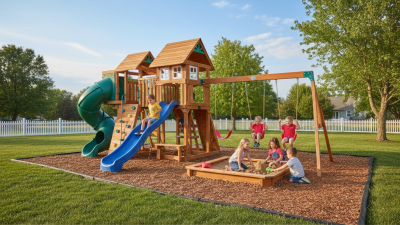
When selecting a playground, look for equipment with soft ground surfaces to reduce injury risks. Areas filled with rubber or wood chips can absorb falls better than concrete or grass. A walkway that leads clearly to play structures encourages parents to supervise without feeling overwhelmed.

Tips: Always check if the playground is well-maintained. Look for broken or sharp edges. Ensure that the site has adequate fencing to prevent wandering. Even a well-designed layout can have flaws. If you notice congested areas where kids might bump into each other, reconsider your choice. The goal is to create a safe haven for your child.