How to Create a Fun and Safe Garden Play Area for Kids at Home
Creating a vibrant and engaging garden play area is an excellent way to encourage outdoor play and foster creativity in children. In today's digital age, where screens often dominate leisure time, establishing a dedicated space for garden play offers children the opportunity to immerse themselves in nature. A well-designed garden play area can stimulate their imaginations, promote physical activity, and provide a safe environment for exploration and social interaction with their peers.
To develop a fun and safe garden play area, it is essential to consider various aspects that will enhance the overall experience for children. From selecting appropriate play equipment to incorporating natural elements like plants and flowers, these features can transform an ordinary backyard into a magical playground. Additionally, ensuring safety measures are in place will give parents peace of mind while their children enjoy engaging activities outdoors. In this guide, we will explore exciting ideas and practical tips to create a whimsical garden play space that balances fun and safety, nurturing both the physical and emotional well-being of your kids.
Choosing the Right Location for a Garden Play Area
When creating a garden play area for kids, the choice of location is pivotal to ensure safety and fun. One crucial factor to consider is proximity to supervision. According to the American Academy of Pediatrics, easy visibility of play areas from the home significantly enhances children's safety during playtime, allowing caregivers to interact with them while keeping an eye on their activities.
Selecting a flat, grassy area away from busy streets or driveways reduces potential hazards and creates a more controlled environment for children to enjoy their adventures.
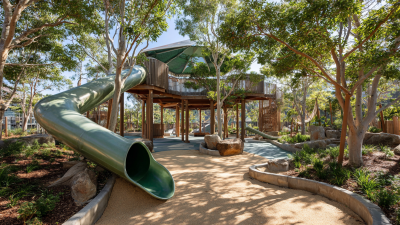
Additionally, it is beneficial to consider the sun and shade patterns in your garden. Research from the National Wildlife Federation suggests that children should have access to both sunny and shaded areas when playing outside, as exposure to too much direct sunlight can lead to heat-related illnesses. Establishing a play zone that has plenty of shade from trees or canopies not only protects kids from harmful UV rays but also encourages prolonged outdoor play, contributing to their physical and emotional well-being. Ensuring that the chosen location has a good drainage system can further enhance safety, preventing muddy or waterlogged areas that could pose slipping risks.
Selecting Safe and Durable Materials for Play Equipment
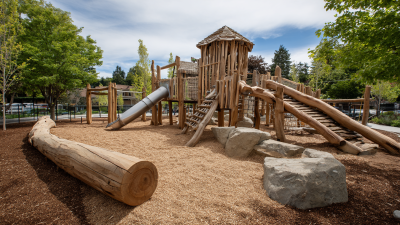
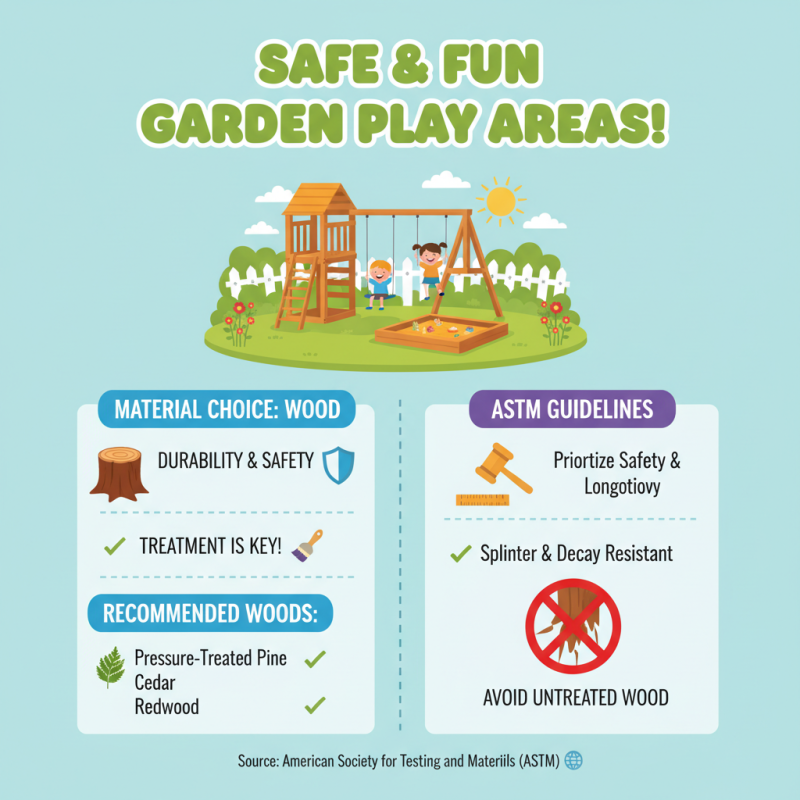
Creating a fun and safe garden play area for kids involves careful consideration of the materials used for play equipment. According to the American Society for Testing and Materials (ASTM), it is essential to choose materials that not only offer durability but also prioritize safety. For example, wood is a popular choice due to its natural sturdiness; however, it must be treated to resist decay and splintering. Specifications recommend using pressure-treated or naturally rot-resistant woods such as cedar or redwood, both offering longevity and safety for children's play areas.
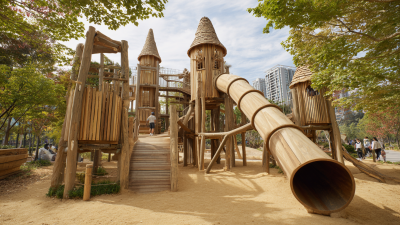
Moreover, safety surfacing is a critical aspect to consider, as falls are one of the leading causes of injuries in playground settings. The National Program for Playground Safety emphasizes the importance of cushioning materials like rubber mulch, engineered wood fiber, or pea gravel. These surfaces can significantly mitigate the impact of falls, decreasing the likelihood of injuries. In fact, studies have shown that appropriate safety surfacing can reduce fall-related injuries by up to 70%, reinforcing the significance of selecting the right materials for both play structures and ground surfaces. By adhering to these guidelines, parents can ensure that their garden play areas provide a secure environment for children to enjoy.
Incorporating Nature: Plants and Features for a Kid-Friendly Environment
Creating a kid-friendly garden environment involves thoughtful incorporation of natural elements that engage children while ensuring their safety. Research indicates that children who spend time in nature are more likely to have improved cognitive functioning and emotional well-being. A report by the National Recreation and Park Association highlights that outdoor play promotes physical health, with children meeting recommended activity levels of at least 60 minutes per day when provided with stimulating environments.
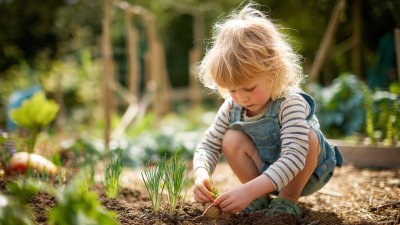
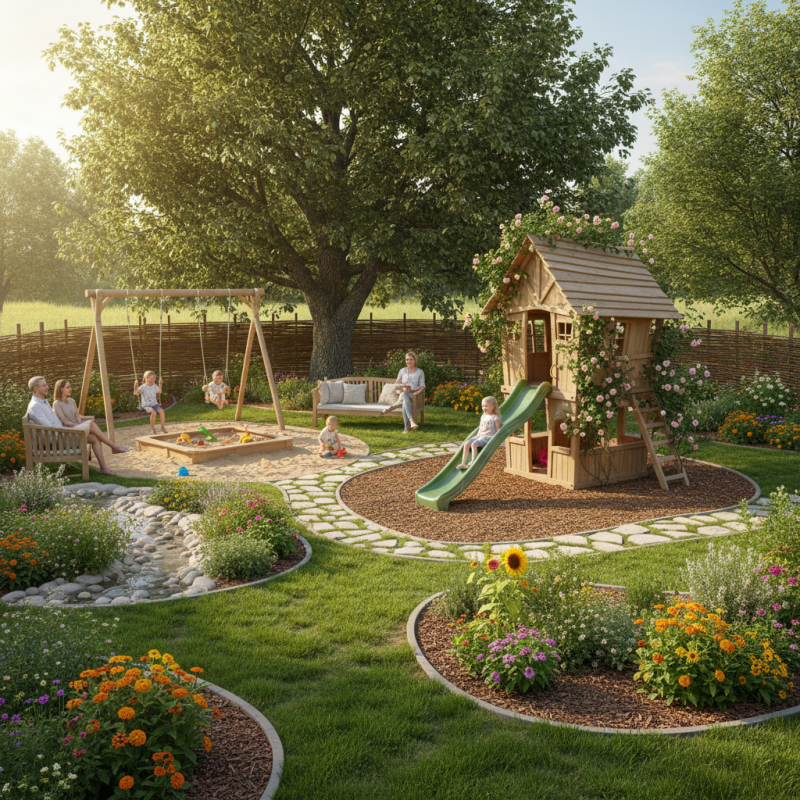
To achieve a fun and safe garden play area, consider incorporating sensory plants such as herbs and flowers that children can touch, smell, and even taste. Planting lavender, mint, or colorful sunflowers can not only attract pollinators like bees and butterflies but also create a vibrant and engaging space for play. Additionally, features like sandboxes, safe climbing structures made from natural materials, or water play areas can encourage imaginative play. Ensuring these elements are surrounded by soft grass or mulch helps minimize injury risks, adhering to the guidelines of the American Society for Testing and Materials (ASTM), which emphasize the importance of suitable ground cover in playgrounds.
By integrating diverse plant life and playful structures, the garden becomes a stimulating environment that fosters exploration and creativity. Engaging with nature in a designed play area can lead to improved social skills, as children often play collaboratively, learning teamwork and communication in the process. Furthermore, research shows that outdoor environments enhance children's moods and reduce stress levels, making a thoughtfully designed garden a true sanctuary for young explorers.
How to Create a Fun and Safe Garden Play Area for Kids at Home
| Feature |
Description |
Benefits |
Safety Tips |
| Sandbox |
A designated area filled with sand for digging and playing. |
Encourages creative play and sensory exploration. |
Ensure proper drainage to prevent water accumulation. |
| Planting Area |
A section for kids to plant flowers or veggies, using kid-friendly tools. |
Teaches responsibility and the growth process. |
Use non-toxic plants; supervise during planting. |
| Water Play Area |
A small water feature or splash pad for summer fun. |
Enhances sensory play and cools kids down. |
Supervise children at all times near water. |
| Natural Shade |
Use of trees or a shade sail to create a cool play area. |
Protects children from sun exposure during play. |
Regularly check for any falling branches or debris. |
| Garden Pathways |
Winding paths made of natural or soft materials. |
Encourages exploration and physical activity. |
Ensure paths are non-slip and well-maintained. |
Designing Engaging Activities: Games and Play Zones for Children
Creating an engaging play area in the garden not only fosters physical activity but also nurtures creativity in children. According to the American Academy of Pediatrics, unstructured outdoor play can promote emotional and physical well-being in children, leading to enhanced social skills and improved problem-solving abilities. Integrating games that encourage teamwork, such as scavenger hunts or obstacle courses, can further develop these skills while ensuring kids remain active. Recommendations suggest allocating at least 60 minutes a day for physical activities, and a thoughtfully designed garden play area can seamlessly facilitate this.
Incorporating various play zones in a garden can enhance children's play experiences significantly. For instance, introducing a sensory garden filled with different textures and scents can stimulate young children’s senses, while an artistic corner with paints and craft materials encourages self-expression. The National Wildlife Federation emphasizes that creating environments rich in natural elements can ignite children's curiosity. By zoning areas for different activities—whether it’s a spot for climbing, a sandbox for creative play, or a quiet reading nook—children can enjoy diverse types of engagement, catering to their varied interests and developmental needs. Such designs not only contribute to physical health but also support holistic growth in young minds.
Engaging Activities for a Fun and Safe Garden Play Area
This chart illustrates the popularity of different play activities suitable for children in a home garden. The data represents the percentage of children who enjoy each activity, showcasing the most engaging options for creating a vibrant play zone.
Ensuring Safety Measures: Guidelines for a Secure Play Space
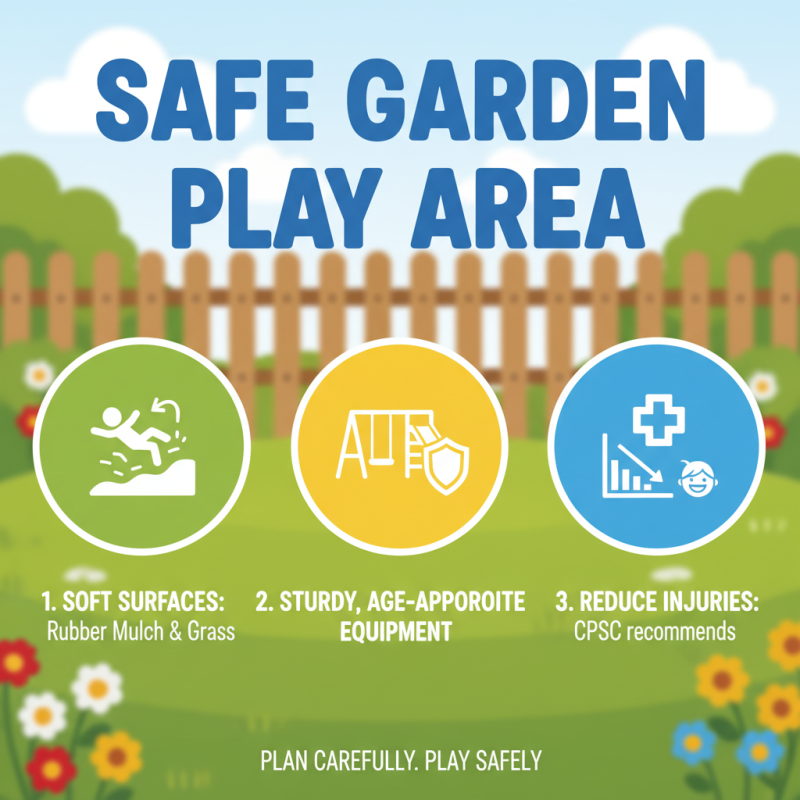
Creating a safe play area for children in your garden requires careful planning and attention to detail. According to the Consumer Product Safety Commission, approximately 200,000 children are treated in emergency rooms each year due to injuries related to playground equipment. Therefore, it's crucial to implement safety measures when designing a play space. Begin by selecting appropriate surfaces; materials like rubber mulch or grass can help cushion falls, reducing the likelihood of injury. Additionally, ensure that the equipment is age-appropriate and built with sturdy materials that can withstand regular use.
Moreover, enclosing the play area with a fence can provide an extra layer of security, keeping children safe from external hazards. The American Academy of Pediatrics recommends a minimum height of 4 feet for fences surrounding play areas to prevent unsupervised exits. Regular maintenance checks are also essential; inspect the equipment for sharp edges, rust, and stability to ensure that it remains safe over time. Keeping the play area clean and free of debris further minimizes risks, as it prevents trips and falls. By following these guidelines, you can create an engaging yet secure environment that fosters fun and exploration for children while prioritizing their safety.
 +86-13901441113

 CONTACT NUMBER
 CONTACT NUMBER