10 Fun Garden Play Ideas for Kids: Tips for Outdoor Adventures
Garden play is a wonderful way for kids to connect with nature. It encourages creativity and physical activity. Children can explore different textures, colors, and sounds outdoors.
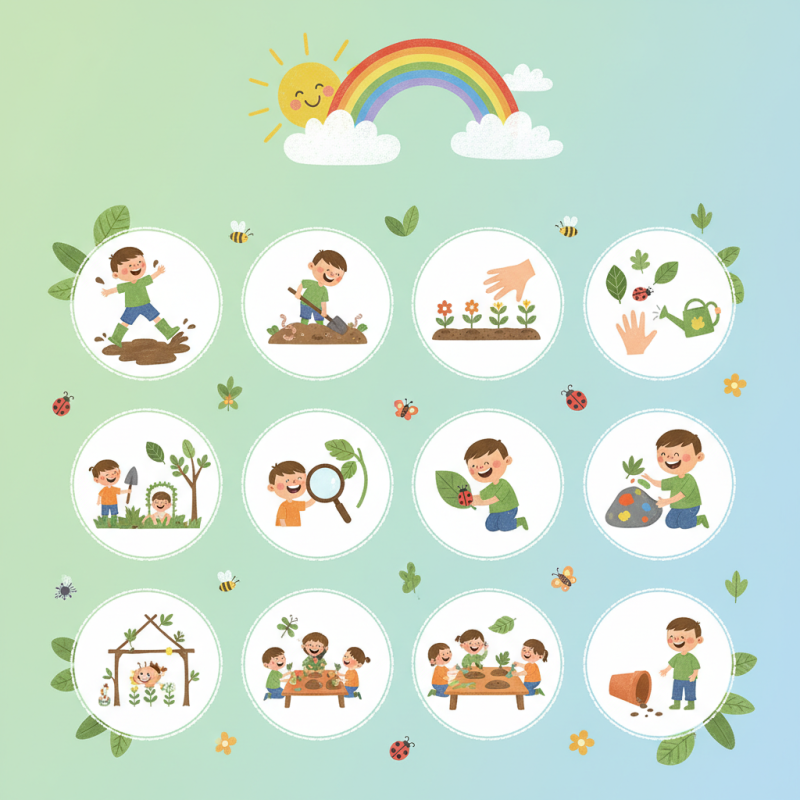
Imagine a sunny day filled with laughter. Kids can jump in puddles, dig in the soil, or create small gardens. These activities spark joy and learning. Garden play isn’t just fun; it enhances motor skills and social interaction.
Even small errors during play can teach valuable lessons. A misplaced seed or an overturned pot can inspire curiosity. Adjustments in their play can lead to newfound adventures. Embracing these moments allows them to grow and learn. Garden play offers endless possibilities.
Benefits of Outdoor Play for Children's Development: Insights from Studies
Outdoor play is essential for children's development. Research shows that it boosts physical, social, and emotional growth. Kids who play outside often become more resilient. They learn to face challenges and develop problem-solving skills. These adventures could be climbing a tree, digging in the dirt, or catching bugs.
Nature play enhances creativity and imagination. Children often invent games or stories during outdoor play. It’s fascinating to see them interact with their environment. These experiences can lead to learning moments, but not all kids embrace this. Some may hesitate to explore. Encouragement from parents and caregivers can help them feel safe to engage.
Outdoor play also fosters social skills. It allows children to work together and learn cooperation. Yet conflicts can emerge during these interactions. Learning to resolve these conflicts is also an important skill. It's okay if there are bumps along the way. Each challenge is a lesson for them. Embracing these imperfections can lead to better growth.
Creative Gardening Activities: Engaging Kids with Nature and Learning
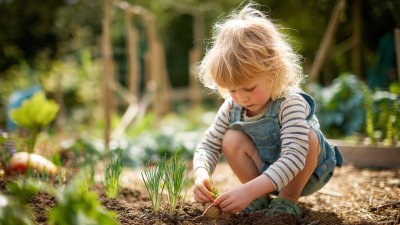
Gardening can be an exciting adventure for kids. It's not just about planting seeds. It's a chance to explore nature hands-on. Encourage children to start by digging in the soil. Let them feel the texture and smell the earth. Those little moments spark curiosity. Watching worms and insects can be thrilling!
Creating a small vegetable patch can teach kids responsibility. They learn when to water and how to weed. However, it can be challenging. Sometimes, plants don't grow. Kids might feel discouraged. It’s important to discuss these moments. They should understand that nature doesn't always follow rules. It’s about trial and error.
Crafting a nature journal is another creative way to engage. Kids can document their gardening journey. They can draw pictures and write observations. It blends art with learning. Yet, it requires patience and regular effort. Encourage kids to return to their journals. Reflection helps them appreciate the process. Gardening fosters a bond with the environment. The experiences are as valuable as the final outcome.
Building a DIY Water Feature: Enhancing Sensory Experiences in Gardens
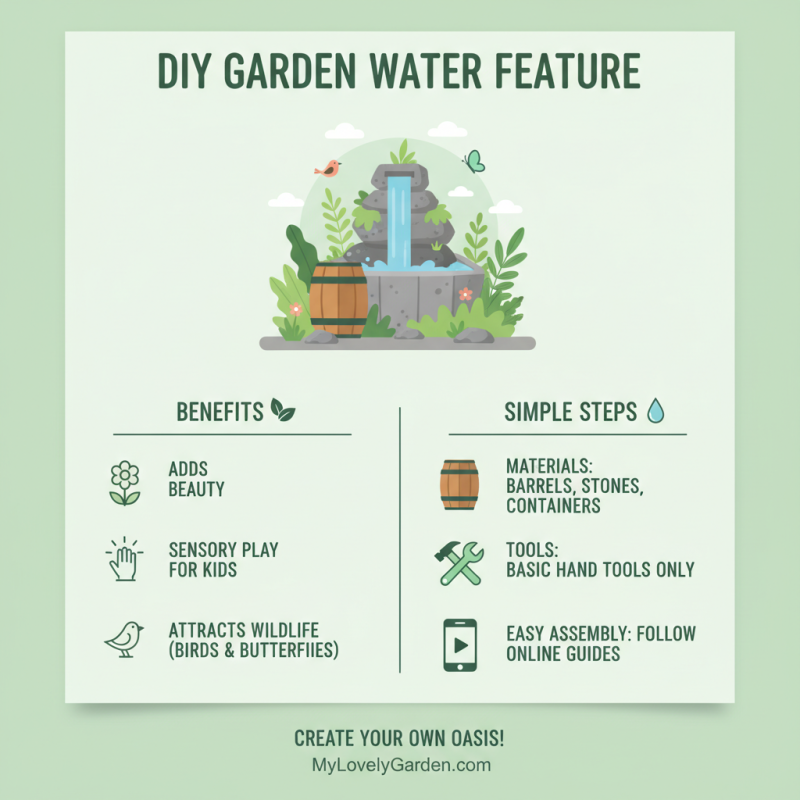
Creating a DIY water feature in your garden can be a rewarding project. It adds beauty and stimulates your children's senses. Water features attract birds and butterflies, making your garden lively. You don’t need complex tools; basic materials will work. Consider using barrels, stones, or even simple containers.
When designing, think about the location. A spot with proper sunlight enhances visibility. Ensure it’s safe for kids. Edges should be rounded, and depth limited. Kids love splashing water. It can be messy, but that's part of the fun. Be ready for some unexpected spills.
While building, involve your children. Let them pick colors or decorate with stones. Their ideas may surprise you. Working together can be chaotic, but those moments are precious. No project is perfect. Embrace the little flaws that make your creation unique. Think of it as a fun adventure that encourages creativity and teamwork.
Nature Scavenger Hunts: Promoting Exploration and Curiosity in Children
Nature scavenger hunts can ignite a child's curiosity. They encourage kids to explore their surroundings. With a simple list, children can search for items like different leaves, pine cones, or colorful flowers. Each find becomes an adventure. Nature's treasures await discovery.
While scavenger hunts are fun, they can be challenging. Kids might overlook hidden gems. They may need guidance to notice small details. Parents can join in, pointing out unique textures or vibrant colors. This interaction enhances the experience. It creates opportunities for questions and learning.
Setting up a scavenger hunt doesn’t require much. Just some imagination and a few items to find. Consider adding local insects or birds to the list. Kids will gain a sense of achievement with each completed task. It sparks their thirst for knowledge about nature. However, it may take time to engage some children. Remember, exploration needs patience and encouragement.
Outdoor Adventures: Nature Scavenger Hunts
Establishing Garden Zones: Creating Fun Spaces for Different Activities
Creating defined garden zones can help children engage in diverse outdoor activities. Start by identifying spaces for different adventures. A sandbox area can be an enticing spot for creativity. Add some shovels, buckets, and colorful molds to spark their imagination.
Next, consider a small garden patch. Kids can plant flowers or vegetables. This teaches them about responsibility and nature. Help them to understand the importance of watering and weeding. It’s not just fun; it’s educational too. However, they might not enjoy the chores. That’s normal; it’s a learning process.
Finally, create a play zone with logs and stones. This area encourages climbing and balancing. It’s important to supervise, as younger kids may struggle to navigate these obstacles. Always remember to build with safety in mind while allowing freedom. Embrace the imperfections—messy spaces often lead to the most laughter. These zones transform a simple garden into a vibrant playground, fostering creativity and learning.
 +86-13901441113

 CONTACT NUMBER
 CONTACT NUMBER