What is an Outdoor Play Set and How Can It Benefit Your Child?
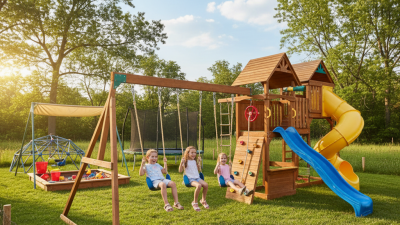
Outdoor Play Sets offer more than just entertainment. They create spaces where children can explore, learn, and grow. These structures can vary in design, ranging from climbing frames to swings and slides. Each provides unique avenues for physical and social development.
Engaging with an Outdoor Play Set encourages children to embrace nature. They develop essential motor skills while climbing, sliding, and swinging. Furthermore, these activities promote social interactions. Kids learn teamwork, sharing, and problem-solving while playing with others. The outdoors also stimulates their imagination in ways that indoor play often cannot.
However, not all play sets are the same. Some may lack safety features or durability. Parents should research options carefully before making a purchase. Investing in a quality Outdoor Play Set can lead to years of enjoyment, but it's crucial to consider long-term use and safety. Children’s play should be both fun and secure. As parents, fostering a safe environment for play encourages healthy development.
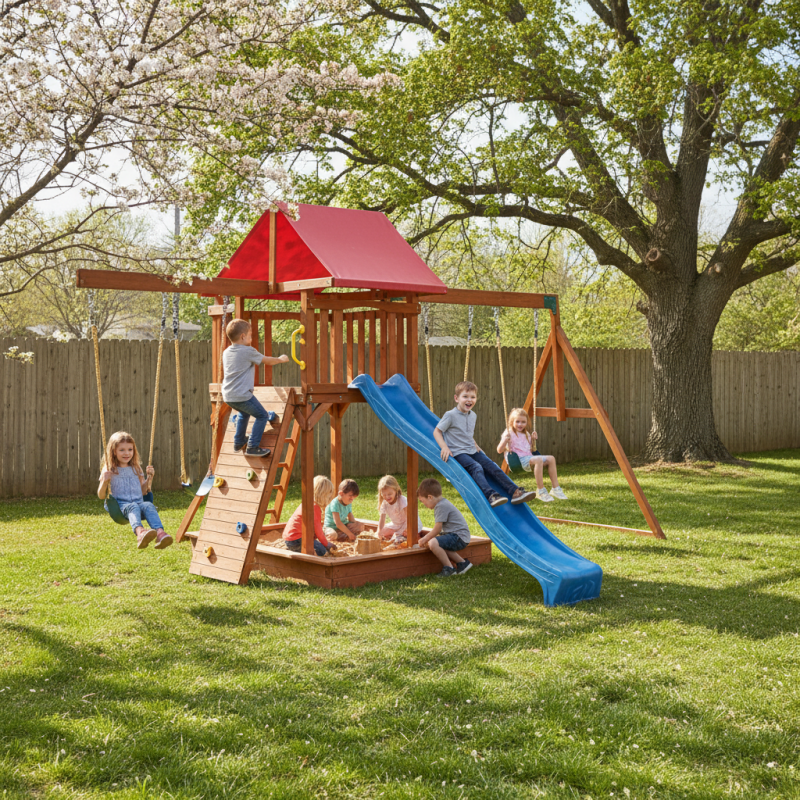
What is an Outdoor Play Set?
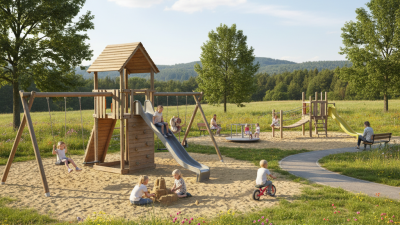
An outdoor play set refers to various structures designed for children's outdoor play. These sets often include
swings, slides, climbing frames, and sometimes even
sandbox areas. According to the American Academy of Pediatrics,
outdoor play is crucial for a child's physical and emotional development. Engaging in active play helps improve
coordination, balance, and strength.
Studies show that children who regularly play outdoors are less likely to experience behavioral issues. The
National Association for the Education of Young Children states
that hands-on outdoor experiences promote social skills and creativity. However, not all play sets offer the same
benefits. It’s essential to choose equipment that is age-appropriate and safe.
Parents should consider factors such as materials used and safety ratings. There is a notable concern about
potential injuries, with the Consumer Product Safety Commission
reporting thousands of injuries each year related to poorly designed equipment. Ensuring that the play set is
well-maintained is key. Regular inspections can prevent accidents and extend the life of the equipment.
Ultimately, finding the right outdoor play set involves research and consideration, as not every set will
meet a child’s unique play needs.
Key Features of Outdoor Play Sets
Outdoor play sets provide a rich, engaging environment for children's physical and social development. They typically include swings, slides, and climbing structures. These features keep kids active and burn off energy, which is essential for their growth and health. Children can also enjoy imaginative play, nurturing creativity as they build their worlds.
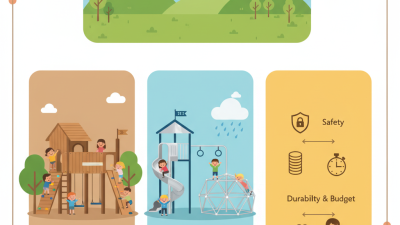
When choosing an outdoor play set, safety should be your top priority. Look for sturdy materials and smooth edges to prevent accidents. Ensure the play area is cushioned with soft grass or mulch. Keep an eye on weight limits to accommodate growing children.
Tips: Regular inspections are key. Check for wear and tear frequently. Don’t hesitate to remove broken parts immediately; safety first! Create a routine for cleaning the equipment, keeping germs away. Reflect on your child's preferences. What do they enjoy most? Tailoring the set to their interests can make playtime even more enjoyable.
Benefits of Outdoor Play for Children's Development
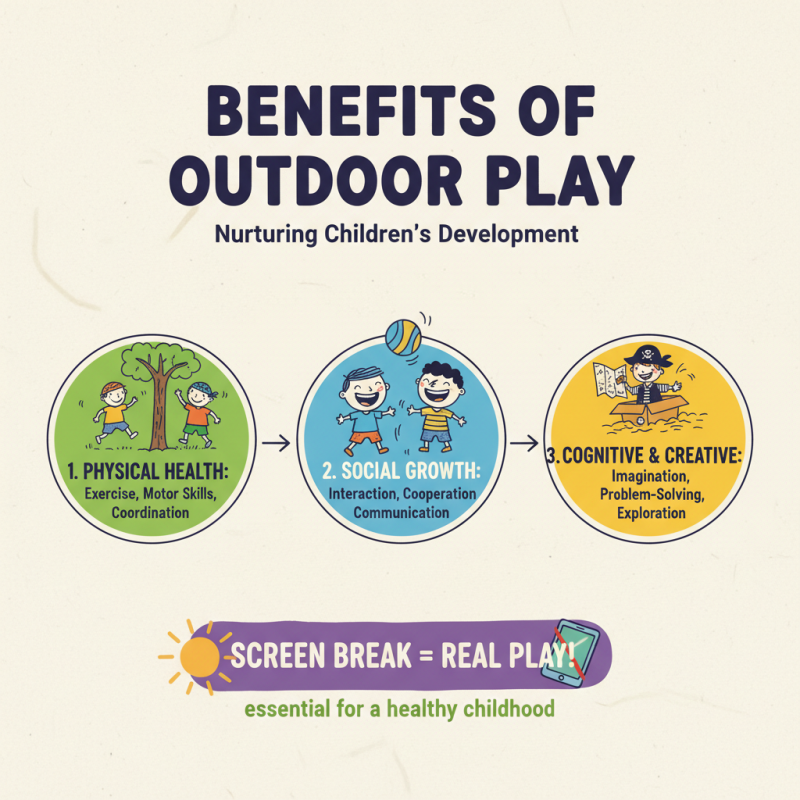
Outdoor play is essential for children's development. It offers a chance for physical exercise, social interaction, and imaginative play. In an era of screens, outdoor activities provide a refreshing break. Children can climb, run, and explore, improving their motor skills and coordination.
When kids engage with nature, they develop a sense of curiosity. They learn to navigate challenges, whether climbing a tree or traversing uneven terrain. This encourages problem-solving skills and boosts their confidence. However, outdoor play isn't without risks. Parents must find a balance between freedom and safety.
Social skills flourish in outdoor settings. Kids learn to negotiate, share, and collaborate. They may argue and experience failure, which are vital learning moments. These interactions can be messy and loud but are crucial for developing resilience. Encouraging outdoor play helps lay a strong foundation for emotional and physical well-being.
Types of Outdoor Play Sets Available
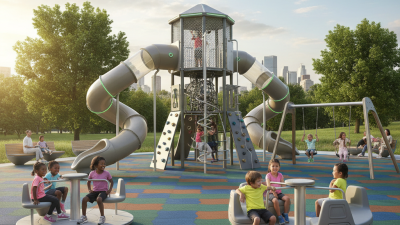
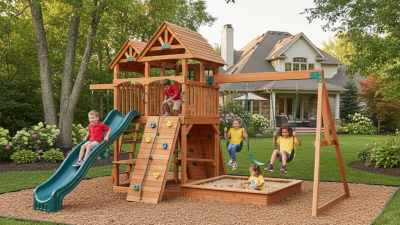
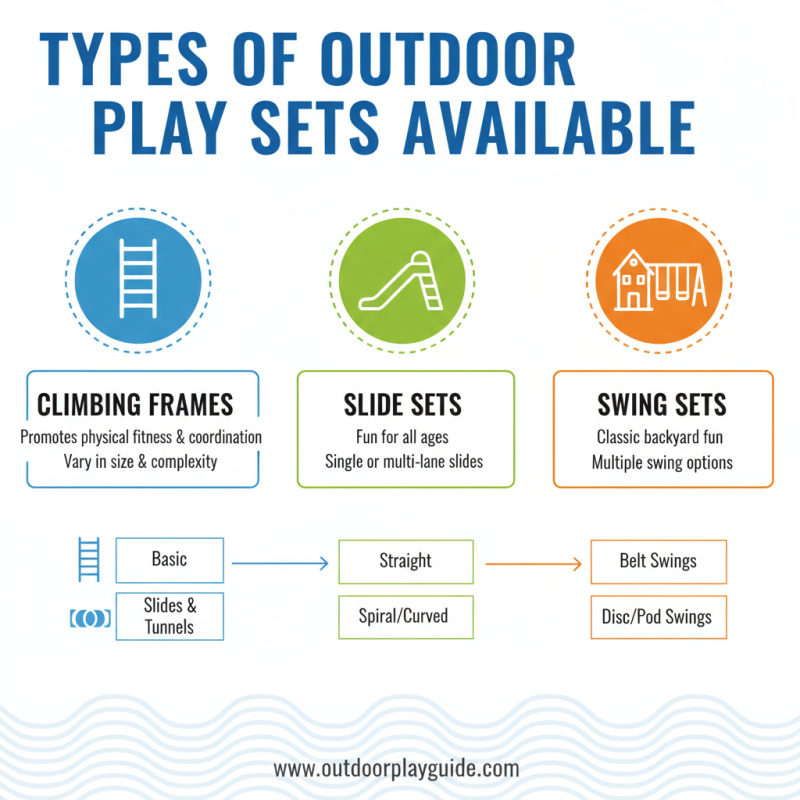
When considering outdoor play sets, it’s important to explore the various types available. Climbing frames are popular choices. They allow children to climb and swing, promoting physical fitness and coordination. These structures can vary in size and complexity. Some are basic, while others offer slides and tunnels.
Another great option is the sandbox. Sandboxes provide endless hours of creative play. Kids can dig, build, and explore textures. They stimulate imagination and encourage social interaction. However, they require regular maintenance to keep the sand clean and safe.
Lastly, consider water play sets. These engage children in sensory experiences. They can splash and pour water, stimulating fine motor skills. However, supervision is necessary to ensure safety. Without careful watch, accidents might occur. Each type of outdoor play set offers unique benefits for development, but it's crucial to choose wisely based on your space and your child's interests.
Tips for Choosing the Right Outdoor Play Set for Your Child
Choosing the right outdoor play set for your child is crucial for their development and happiness. Research shows that children need at least 60 minutes of physical activity daily. An appropriate play set encourages this vital movement and promotes overall health. Parents should consider the age and interests of their child when selecting a play structure. Different sets cater to specific age groups, ensuring safety and engagement.
Safety is paramount. The Consumer Product Safety Commission highlights that improper installation can lead to injuries. Choosing a set with soft, padded materials can minimize risks. Also, ensure the play area is level and spacious. Studies indicate that children are more likely to play actively in environments that feel safe and welcoming.
Look for features that spark creativity. Climbers, slides, and swings can enhance motor skills. However, some sets may offer too many features, risking overstimulation. Balance is essential. Reflect on your child’s personality; a quieter child might prefer a simple set, while a more active one may thrive on complex structures. Ultimately, it’s about finding what aligns with your child’s needs and encourages joyful play.
 +86-13901441113

 CONTACT NUMBER
 CONTACT NUMBER