Top 10 Outdoor Play Structures for Kids What to Choose?
Choosing an outdoor play structure can be a daunting task. With numerous styles and designs available, how do you decide? Outdoor play structures are not just toys; they are valuable tools for children's development. Resistance to outdoor play can be a missed chance for growth. The right structure can inspire creativity and physical activity.
Consider factors like safety, space, and the age of your children. Some parents rush into buying the biggest or fanciest structure available. However, it's essential to reflect on your family's unique playing habits. Your investment should cater to your children's interests and safety needs. Always envision how your children will use it daily.
Quality matters more than quantity. Assess materials, durability, and features carefully. Take time to involve your kids in the decision-making process. Their preferences can lead the way to successful outdoor play. Remember, an ideal structure promotes fun but also encourages learning and exploration.
Key Factors to Consider When Choosing Outdoor Play Structures
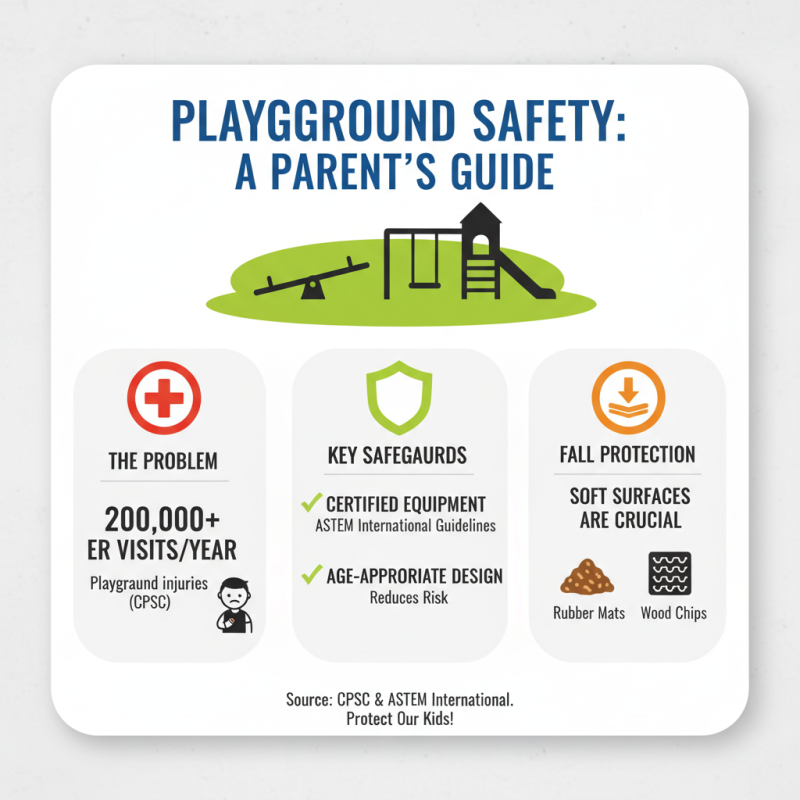
Choosing the right outdoor play structure involves several key factors. Safety is a top priority. According to the American Academy of Pediatrics, 200,000 children visit emergency rooms yearly due to playground injuries. Proper safety features like soft surfaces and rounded edges can minimize risks. Parents should inspect materials and construction for durability and potential hazards.
Space is another critical consideration. The outdoor area should allow adequate room for movement. Many children benefit from structures that encourage climbing and physical activity, fostering motor skills. Research shows that active play reduces the risk of obesity in children. However, overcrowded spaces can lead to accidents and decreases enjoyment. It's vital to choose structures that fit well but do not overwhelm the space.
Age appropriateness also plays a role. Play structures for toddlers differ greatly from those for older kids. Features suitable for young children may not challenge older ones, leading to boredom. A study published in the Journal of Environmental Health found that age-appropriate structures significantly increase play duration. Parents should assess the age range and activity levels to ensure lasting engagement.
Top 10 Outdoor Play Structures for Kids
This bar chart displays the average satisfaction ratings of various outdoor play structures based on user surveys. Ratings are on a scale from 1 to 10, with 10 being the highest satisfaction.
Types of Outdoor Play Structures Available for Kids
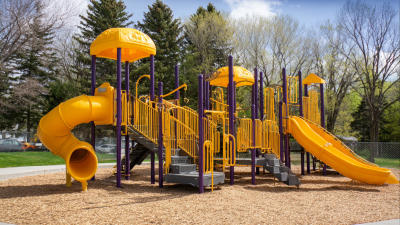
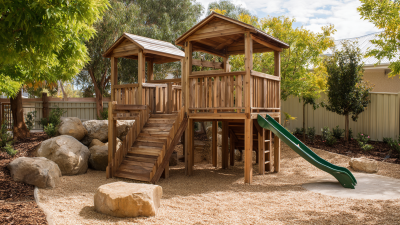
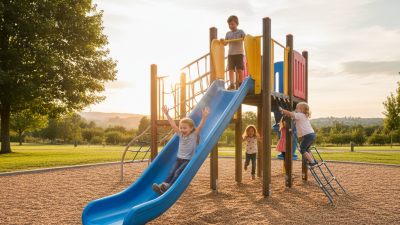
When choosing outdoor play structures for kids, consider the various types available. Playhouses, slides, swings, and climbing structures are popular. According to a report by the American Academy of Pediatrics, outdoor play is essential for children's physical development and social skills. Many structures cater to different age groups, ensuring safety and engagement.
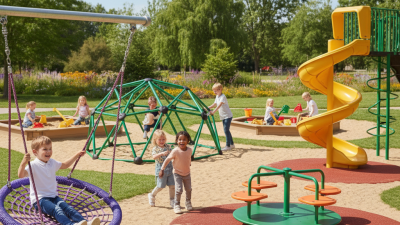
Swings can be a great choice for developing balance and coordination. Experts suggest that they also promote emotional health through social interactions. Climbing structures encourage physical strength, but safety is a concern. Poorly designed equipment can lead to injuries. Make sure to check the quality of materials.
Another option is interactive play panels. These can stimulate creativity and cognitive skills. Surprisingly, many parents overlook this choice. Often, the focus is just on large structures. In reality, a combination of different types can provide varied experiences. Families must assess their yard size and safety surfaces. It's vital to create a fun but secure environment for children to explore.
Top 10 Recommended Outdoor Play Structures for Various Age Groups
When selecting outdoor play structures, age appropriateness is crucial. For toddlers, consider low platforms with safe slides and interactive elements. A 2022 industry report emphasizes that children aged 2-5 benefit from soft play areas. These spaces enhance motor skills and encourage social interaction.
For school-age children, climbing frames and bigger slides are ideal. Data shows that kids aged 6-12 enjoy challenging structures that foster physical fitness. Installing a variety of equipment can promote active play. The same report indicates that diverse play options can reduce sedentary behavior in this age group.
Tips: Always check the safety ratings of structures. Ensure that materials are durable and weather-resistant. Predictably, children can be rough on equipment, leading to wear and tear. Regular inspections are essential to maintain safety. Another point to consider is the space available. Some neighborhoods may have size restrictions. Measure before purchasing to prevent future complications. Finding the right balance between fun and safety is key.
Safety Standards and Maintenance Tips for Outdoor Play Equipment
When choosing outdoor play structures, safety is paramount. The Consumer Product Safety Commission (CPSC) reports that nearly 200,000 children visit emergency rooms each year due to playground injuries. To mitigate risks, parents should prioritize equipment that meets safety standards. ASTM International provides guidelines that ensure structures are age-appropriate. Look for features that guard against fall injuries, such as soft surfaces like rubber mats or wood chips.
Maintenance is equally essential. Regular inspections help identify wear or damage. Check for rust, loose bolts, and potential hazards like sharp edges. A study by the National Program for Playground Safety emphasizes that proper maintenance can reduce injury risks by up to 50%. Additionally, ensure that the area remains clean and free of debris. Sun exposure and weather can also erode materials, leading to unforeseen dangers.
Educating children about safe play behavior is vital. Teach them to be mindful of their surroundings. Encourage taking turns and using equipment as intended. The tree-hugger in every playground needs to be reminded that a little caution goes a long way. While no play area can be completely risk-free, taking these steps can make a significant difference in ensuring a safe and enjoyable experience for all kids.
Budgeting for Outdoor Play Structures: What You Need to Know
When selecting outdoor play structures, budget is a crucial factor. Studies show that families spend between $200 to $3,000 on these structures. It’s essential to find a balance between quality and cost. Prices vary based on size, material, and complexity. Lower-cost options may lack durability, while high-end structures might be unnecessary for smaller yards.
Before purchasing, consider maintenance costs. Wooden structures can require regular sealing and staining. Metal and plastic options typically offer low maintenance. Think about your budget not just for the initial purchase but also for upkeep. A well-maintained structure can last years, providing long-term play possibilities.
Tips:
Consider the age range of your kids. Structures that adapt as your children grow can be more cost-effective. Look for features that encourage different types of play. It’s vital to choose a sturdy design to ensure safety and longevity. Also, factor in installation costs. Sometimes, professional assembly can inflate your budget unexpectedly.
 +86-13901441113

 CONTACT NUMBER
 CONTACT NUMBER