Top Outdoor Play Structures for Kids Fun and Development?
When thinking about children's play, the importance of an outdoor play structure cannot be overstated. These structures provide more than just a surface for climbing and sliding. They create spaces where kids can explore, learn, and grow. An outdoor play structure encourages physical activities that are crucial for children's health.
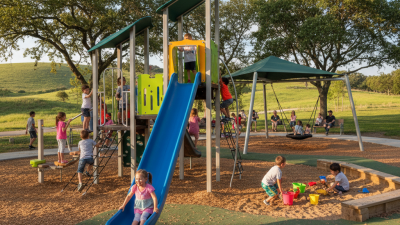
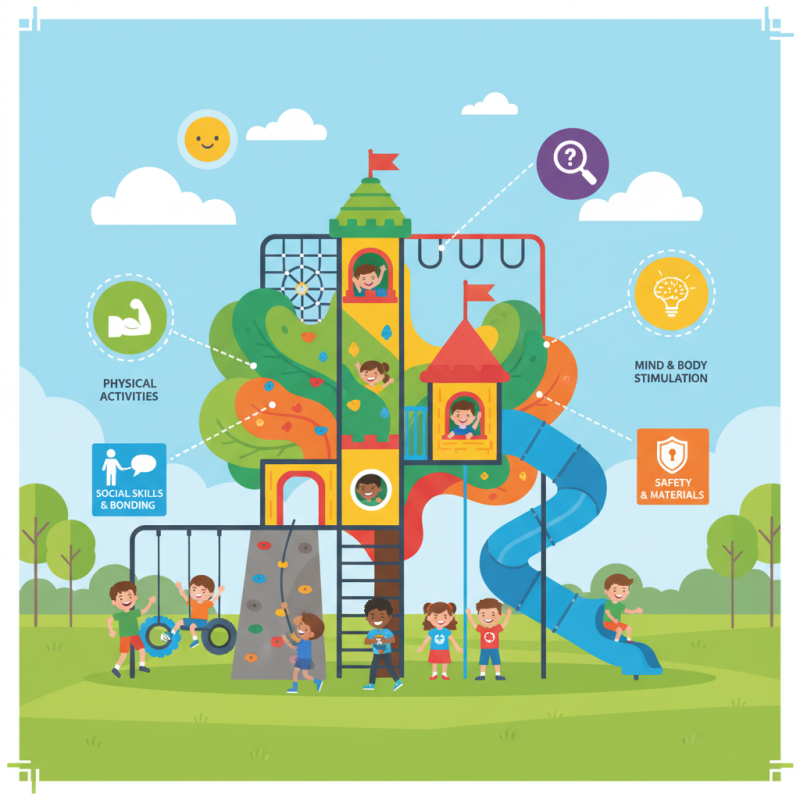
Imagine a vibrant playground filled with colorful slides and sturdy swings. Children can bond with peers while developing essential social skills. However, not all outdoor play structures are created equal. Some may lack safety features or fail to engage children effectively. It’s vital to choose wisely and consider each structure's design and materials.
The right outdoor play structure should provide challenges that stimulate children's minds and bodies. It should inspire imagination while also ensuring safety. Parents must reflect on what makes a play structure truly beneficial. With thoughtful selection, an outdoor play structure can transform a simple yard into a world of adventure and learning.
Top Outdoor Play Structures for Kids Fun and Development
Outdoor play structures are essential for children's fun and development. According to a report by the American Academy of Pediatrics, children need at least 60 minutes of physical activity each day. Play structures encourage this activity, promoting physical and cognitive growth. Engaging with peers on these structures fosters important social skills too.
Research indicates that outdoor play can enhance children's creativity and problem-solving abilities. A survey by the National Association for the Education of Young Children found that 90% of early childhood educators believe that outdoor playtime is crucial for development. Climbing walls, slides, and swings develop strength, coordination, and balance. However, not all equipment is safe or suitable. Some structures may pose risks if not properly designed or maintained.
Parents often overlook the importance of variety in play structures. Too many slides can limit imagination. Mixing elements like tunnels, balance beams, and open spaces can enhance playtime. It's vital to regularly assess the play area for safety. Wear and tear can affect the experience. Children thrive best in well-thought-out environments that are both fun and challenging.
Top Outdoor Play Structures for Kids Fun and Development
Benefits of Outdoor Play for Child Development
Outdoor play is essential for children's development. Engaging in physical activities boosts their physical health and mental well-being. According to a report from the American Academy of Pediatrics, outdoor play significantly improves children's attention spans and reduces stress levels. Kids need fresh air, space, and freedom to explore.
Studies show that children who play outside exhibit better social skills. They learn to share, negotiate, and collaborate with peers. Roughly 80% of kids report feeling happier after outdoor play. This happiness fosters creativity and boosts problem-solving capabilities. As kids construct forts or climb trees, they develop critical thinking in real-time.
But not all kids have the same opportunities for outdoor play. Urban environments can limit access to safe spaces. Busy schedules may prevent families from spending time outside. This imbalance in access highlights the need for innovative play structures. These structures can create safe, engaging areas that encourage exploration. More than just climbing or sliding, they can serve as catalysts for growth. The benefits of outdoor play are clear, but ensuring equal access remains a challenge.
Top Outdoor Play Structures for Kids Fun and Development
| Play Structure |
Benefits for Child Development |
Recommended Age |
Typical Price Range |
| Wooden Playsets |
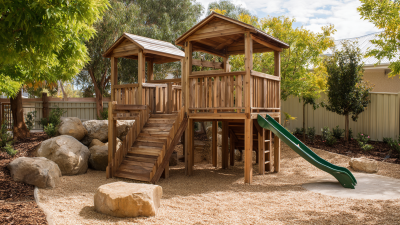
Encourages imaginative play, enhances motor skills, fosters social interaction |
3-10 years |
$300 - $2,000 |
| Climbing Frames |
Improves strength and coordination, builds confidence, encourages problem-solving |
3-12 years |
$150 - $1,000 |
| Swing Sets |
Boosts balance and coordination, promotes physical activity, enhances social skills |
2-10 years |
$100 - $600 |
| Sandboxes |
Stimulates creativity and sensory exploration, encourages cooperative play |
2-8 years |
$50 - $300 |
| Playhouses |
Promotes imaginative play, fosters independence, encourages social skills |
3-10 years |
$150 - $800 |
Types of Outdoor Play Structures: An Overview
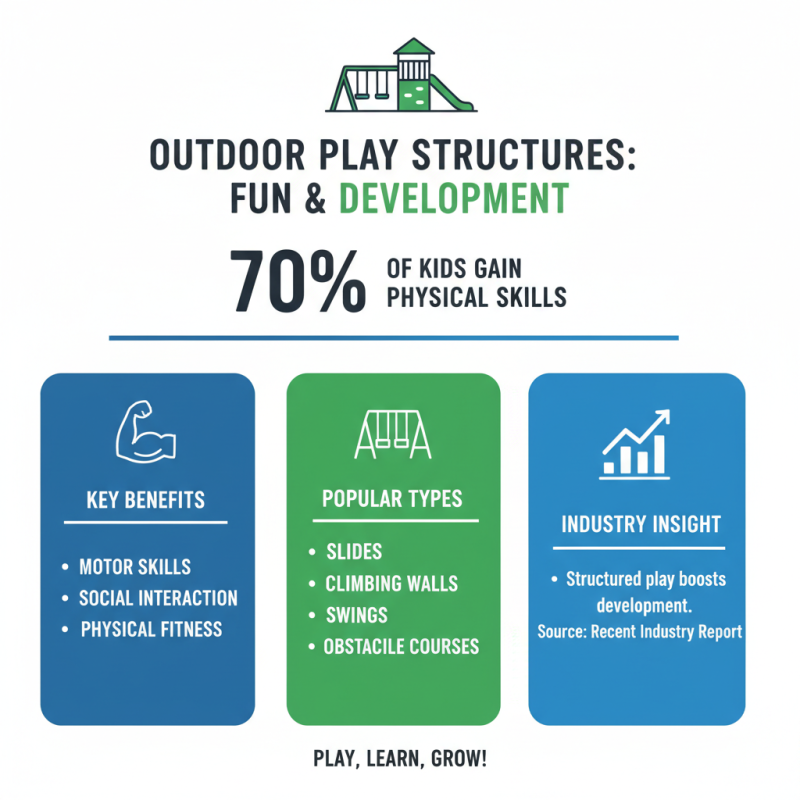
When it comes to outdoor play structures, there are numerous engaging types that cater to children's fun and development. According to a recent industry report, about 70% of kids gain physical skills through structured play environments. These structures include slides, climbing walls, and swings, which not only entertain but also promote motor skills and social interaction among children.
Play structures come in various forms, from simple swing sets to elaborate obstacle courses. Each structure encourages different skills. For instance, climbing walls enhance coordination and strength. Slides are great for developing balance and risk assessment. Engaging children in these activities can yield significant developmental benefits, as data shows that children who play outdoors are 30% more active than their peers who play indoors.
Tips: When selecting a play structure, consider your space and budget. Ensure safety by choosing materials that can withstand weather conditions. Also, invite children to explore and suggest what they would like most. Their input can make the play area more exciting and relevant! However, always check for durability and safety standards. Not all structures are created equal, and sometimes, a cheaper option might lead to safety concerns later on.
Choosing the Right Play Structure for Your Child's Age and Needs
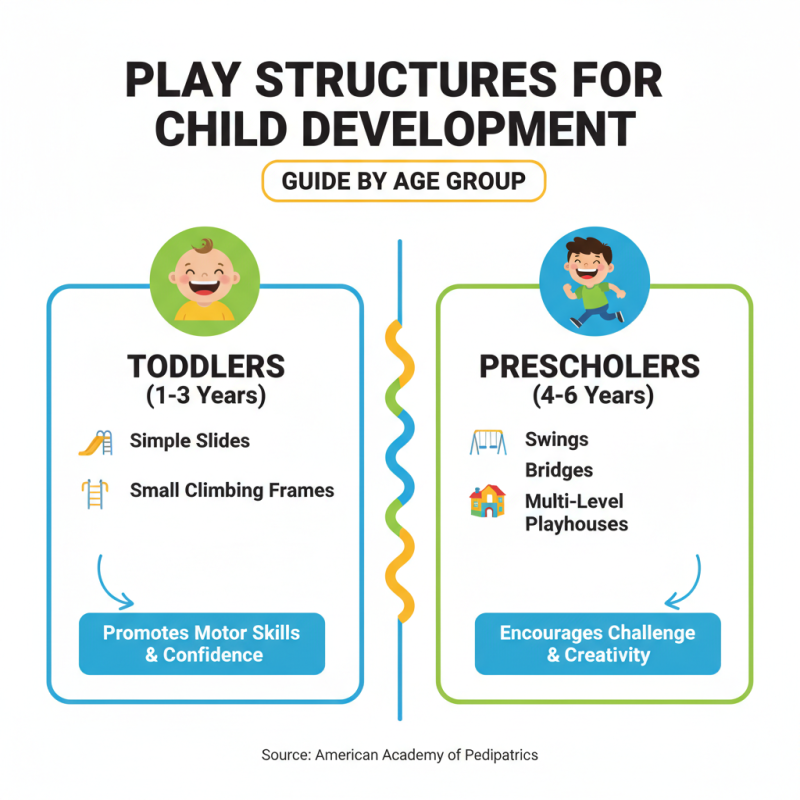
Choosing the right play structure for your child is essential for their growth and enjoyment. Research from the American Academy of Pediatrics indicates that play is critical for child development. Different age groups require different structures. For toddlers, simple slides and small climbing frames are ideal. They promote motor skills and help build confidence. Meanwhile, preschoolers benefit from structures that incorporate more challenging activities. Think swings, bridges, and multi-level playhouses.
Age-appropriate play structures foster social interaction. A study by the National Association for Sport and Physical Education found that children aged 4 to 5 years are more likely to engage in cooperative play. This age group thrives on shared experiences. When choosing, ensure the materials are safe and durable. Safety standards vary, so it’s important to select options that meet these guidelines. While color and design attract kids, the functionality should always come first.
Finding a structure that meets your child's needs can be tricky. Consider their interests and physical abilities. Children may have preferences that change over time. Some kids prefer climbing, while others love swinging. Monitor how they play. Are they struggling or thriving? Regularly observing their interaction with the structure can help you make informed decisions. This ongoing evaluation can ensure they continue to have fun and develop in a safe environment.
Safety Considerations for Outdoor Play Equipment
Outdoor play structures are vital for children's physical and social development. However, safety considerations cannot be overlooked.
According to the Consumer Product Safety Commission (CPSC), over 200,000 injured children visit emergency rooms each year due to injuries related to playground equipment. This highlights the need for parents and caregivers to choose safe play structures.
One crucial aspect is proper surfacing. The CPSC suggests using materials like sand, mulch, or rubber mats to cushion falls. These surfaces can reduce the risk of injury by 86%. Many responsible parents may ignore this until accidents happen. Additionally, ensuring that equipment meets safety standards is essential. Structures should be age-appropriate and constructed with durable materials.
Regular inspections can mitigate risks further. The National Association for Sports and Physical Education recommends checking for hazards at least once a month. Visual checks can identify loose bolts or splinters. Parents often forget minor details until an incident occurs. By prioritizing safety, we create a secure environment where children can enjoy their playtime while developing essential skills.
Conclusion
Outdoor play structures are essential for providing children with fun experiences while supporting their physical and cognitive development. Engaging in outdoor play fosters various skills, including teamwork, problem-solving, and creativity, making it a crucial aspect of childhood. There are various types of outdoor play structures available, from swings and slides to climbing frames, each catering to different age groups and developmental needs.
When selecting the right outdoor play structure for your child, it's important to consider their age and specific requirements, ensuring the equipment is safe and age-appropriate. Safety considerations must always be a priority when installing outdoor play equipment, including proper surfacing and secure assembly. Additionally, regular maintenance of these structures will enhance their longevity and keep them safe for use. By investing in a suitable outdoor play structure, parents can create an enriching play environment that supports their child's growth and enjoyment.
 +86-13901441113

 CONTACT NUMBER
 CONTACT NUMBER