+86-13901441113


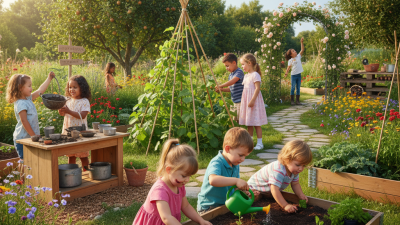
Creating a vibrant backyard for children can significantly impact their play experiences. A recent report from the American Academy of Pediatrics highlights that outdoor play is crucial for a child's physical and mental well-being. "Garden play" serves as a perfect blend of interaction with nature and imaginative activities. According to the National Recreation and Park Association, 70% of children say they prefer outdoor play.
Incorporating elements like natural obstacles, planting areas, and playful structures can enrich the garden space. These features ignite creativity and inspire children to explore and learn. Surprisingly, many families overlook the potential of their backyards for such activities. While the idea of a perfect garden play area is appealing, reality often falls short due to budget constraints or limited space.
Nonetheless, simple changes can create engaging play opportunities. Using garden tools safely or nurturing plants can become fun learning experiences. Embracing imperfections in your backyard design can lead to unique play scenarios that foster exploration and imagination. It's essential to remember that even small adjustments can significantly enhance children's garden play experiences.
Creating an engaging outdoor space for kids can spark their imagination. A simple sandbox can transform into a castle or a dinosaur excavation site. Use non-toxic materials to ensure safety. Let your children help with the setup, and watch them get excited about their new adventure playground.
Setting up a nature scavenger hunt is another fun idea. Create a list of items for kids to find: pinecones, different leaves, or colorful rocks. Hand them a basket and let them explore. This encourages observation of nature but can also be a bit chaotic. Sometimes they might lose focus and start chasing butterflies instead.
Consider adding a small art station outside. Provide materials like paper, colored chalk, and natural objects. Children can create masterpieces inspired by their surroundings. Messes will happen, and that’s okay! It allows them to express creativity freely and enjoy the outdoors. Don’t worry if they paint their clothes; it's all part of the fun!
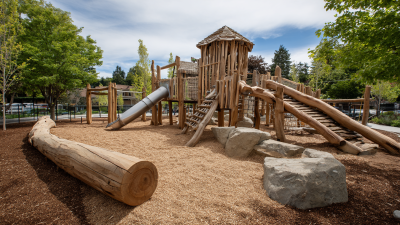
Creating a DIY sandbox in your backyard is a fantastic way for kids to engage in imaginative play. Reports show that outdoor play boosts physical health and enhances creativity. A well-constructed sandbox encourages tactile experiences, which are crucial for child development.
To build your sandbox, gather basic tools and materials. You’ll need untreated wood, nails or screws, and a good quality tarp. Make sure the sandbox is large enough for several kids to play together. The size can vary, but a common dimension is 4x4 feet. You'll also need sand — around 50 bags of play sand is a typical estimate for a 12-inch deep sandbox.
Tips: Always check for sharp edges on the wood. Sand should be kept clean and dry. Consider placing a lid over the sandbox to keep out animals. This might add an extra layer of protection and cleanliness.
You may face challenges while building. Measuring can go wrong, and the wood may warp. It’s essential to make adjustments as needed. Kids often want to help, which is great but can slow you down. Remember, safety first — supervise them during playtime. Sandboxes can get messy, so be prepared for clean-up every now and then. These challenges are part of the fun.
Designing a nature scavenger hunt for kids can be a fun backyard activity. This encourages exploration and learning. Research indicates that outdoor play boosts children’s creativity by 50%. Kids engage more when they interact with nature. Simple items like leaves, rocks, and flowers can spark interest. A detailed list will keep them focused.
To create an effective scavenger hunt, consider the age of the children. Younger kids may need simpler items. For instance, ask them to find a red leaf or a round stone. Older kids can look for specific types of plants or track animal sounds. According to studies, children who participate in scavenger hunts are 80% more likely to learn about their environment.
Remember to be flexible in your approach. Children may not always find everything on the list. This can be an opportunity for discussion. Introduce concepts of seasons, habitats, and ecosystems. A flexible mindset allows kids to adapt and learn. Nature offers endless opportunities for discovery, so let curiosity lead the way.
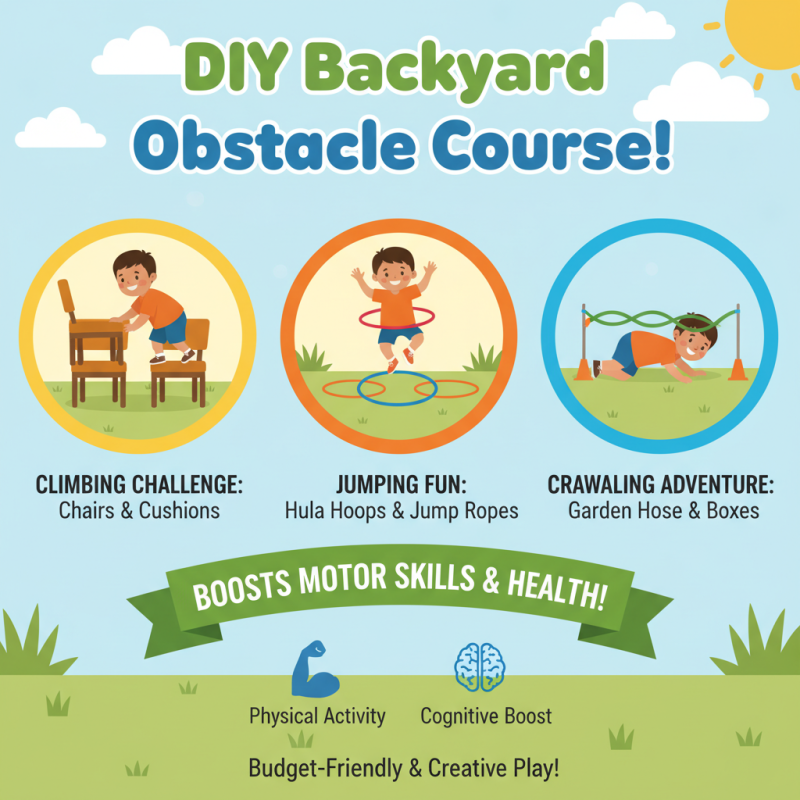
Creating an obstacle course in your backyard can be an incredible experience for kids. You don’t need expensive equipment. Household items can create a fun, engaging environment. For example, use chairs for climbing, hula hoops for jumping, and garden hoses for crawling under. Kids love challenges, and it boosts their physical activity. Studies show that active play can enhance children's motor skills and overall health.
Incorporating creative twists makes the course exciting. Consider adding timers to encourage competition. It may motivate kids to push their limits. Research indicates that structured playtime can improve children's focus and concentration. However, it's important to ensure safety. Inspect all items used in the course to avoid injuries. An unstable chair could lead to a fall.
Reflecting on the layout is helpful. Adjust the course based on your kids' ages and abilities. What works for a five-year-old may not suit a ten-year-old. There might be moments of frustration, especially when obstacles seem too hard. Those challenges can be valuable lessons in persistence. Encourage kids to adapt and modify their course as they grow.
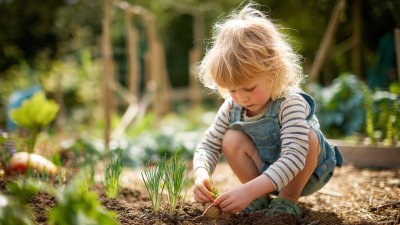
Gardening is a fantastic way to teach kids about nature. By starting a small garden, children can learn how plants grow. Digging in the dirt, planting seeds, and watering them can be exciting tasks. They will see the fruits of their labor in a few weeks. Daily care of plants can teach them responsibility.
Creating a garden space doesn't have to be perfect. It can be a little messy, with seeds scattered here and there. Kids might forget to water some plants, and that’s okay. They will learn through trial and error. A sunny corner of the yard can become a vibrant flower patch or a vegetable garden. Use recycled containers for planting, adding a touch of creativity. Simple projects like growing herbs are easy and fun. Kids can taste their own food, making the experience memorable.
Engaging kids in gardening may not always go smoothly. Some plants may not grow as expected. That's a chance for discussion about nature and its challenges. Even if a plant wilts, it offers lessons about care and observation. Encourage kids to explore and ask questions. Cultivating a love for gardening can help them appreciate the environment and its complexities.
| Activity | Description | Benefits | Materials Needed |
|---|---|---|---|
| Seed Planting | Kids can plant seeds of various vegetables or flowers. | Teaches patience and responsibility, and connects kids with nature. | Seeds, soil, pots or garden space, watering can. |
| Garden Scavenger Hunt | A fun activity where kids find various plants, insects, and garden items. | Encourages observational skills and exploration. | List of items to find, bags for collecting, binoculars. |
| Composting | Setting up a compost bin to recycle kitchen scraps into fertile soil. | Teaches sustainability and the importance of recycling. | Compost bin, kitchen scraps, garden waste, shovel. |
| Nature Art | Using leaves, flowers, and other natural materials to create art. | Encourages creativity while fostering a connection with nature. | Natural materials, glue, paper or canvas. |
| Butterfly Garden | Creating a garden that attracts butterflies with specific plants. | Teaches kids about the life cycle of butterflies and ecosystem roles. | Butterfly-friendly plants, garden tools, markers. |