The Ultimate Guide to Choosing the Best Outdoor Playground Toys for Kids
When it comes to selecting the perfect Outdoor Playground Toys for kids, the choices can be overwhelming. With countless options available, parents often seek guidance on what best promotes fun and fosters development for their children. Renowned playground safety expert, Dr. Emily Thompson, emphasizes the importance of quality outdoor play, stating, “The right outdoor playground toys not only ensure safety but also encourage creativity and social interaction among children.”
As we dive into the world of Outdoor Playground Toys, understanding the various types and their benefits is crucial. From climbing structures that improve coordination to swings that promote balance, each toy plays a significant role in a child's physical and mental growth. Additionally, selecting toys that are durable and safe can provide peace of mind for parents, knowing that their children can explore and play without unnecessary risks.
In this comprehensive guide, we will explore key factors to consider when choosing Outdoor Playground Toys, including safety standards, age-appropriateness, and the types of play experiences they promote. By making informed choices, you can create a vibrant outdoor play environment that not only entertains but also enriches your child’s development.

Understanding the Importance of Outdoor Play for Child Development
Outdoor play is essential for child development, offering unique experiences that contribute to physical, emotional, and social growth. Engaging with nature allows children to develop motor skills, coordination, and overall physical fitness. Activities such as climbing, running, and swinging not only enhance their physical abilities but also foster a sense of adventure and risk-taking, which are crucial for building confidence and resilience.
In addition to the physical benefits, outdoor play promotes social skills and emotional well-being. When children play outside, they interact with peers, learning cooperation, negotiation, and conflict resolution. These interactions are vital for developing empathy and understanding diversity, as children encounter different perspectives and learn to work as a team.
Furthermore, outdoor environments stimulate creativity and imagination, allowing children to explore their surroundings in ways that structured indoor play often cannot. By prioritizing outdoor play, caregivers can create opportunities for holistic development that nurture a child's body, mind, and spirit.
Types of Outdoor Playground Toys: A Comprehensive Overview
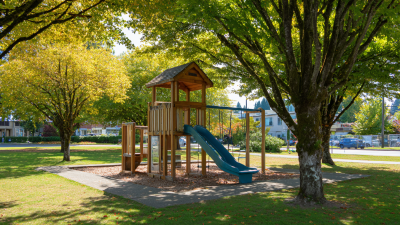
When selecting outdoor playground toys for kids, it's essential to understand the various types available to ensure a fun and safe play environment. Classic options include swings and slides, which offer timeless enjoyment and cater to different age groups. Swings promote physical activity while enhancing balance and coordination, whereas slides provide an exhilarating descent that encourages children to engage in structured playtime. These staples remain favorites for their simplicity and versatility, accommodating both individual play and group interactions.
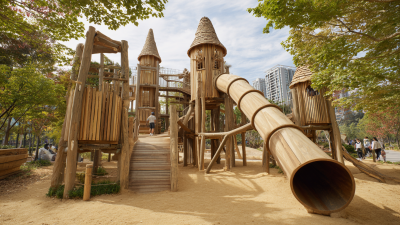
In addition to traditional choices, there are also more dynamic options like climbing structures and obstacle courses. Climbing toys help children develop strength and confidence as they navigate different heights and challenges. Obstacle courses can be customized to various skill levels, allowing for both competitive fun and teamwork. For a less structured play experience, sandbox sets and water tables provide sensory-rich environments where kids can explore their creativity and develop fine motor skills. With such a diverse array of outdoor playground toys, parents can create an engaging space that fosters physical development, social interaction, and imaginative play.
Safety Considerations When Choosing Playground Equipment
When selecting outdoor playground equipment for children, safety should be the paramount consideration. According to the U.S. Consumer Product Safety Commission, over 200,000 children visit emergency rooms each year due to injuries sustained on playgrounds, highlighting the need for stringent safety measures. One critical aspect is ensuring that the playground equipment meets the appropriate safety standards, such as those established by the American Society for Testing and Materials (ASTM). This includes assessing the materials used, such as non-toxic substances, and ensuring adequate cushioning beneath play structures.
Additionally, the design and configuration of the playground play an essential role in safety. Equipment should be age-appropriate, and features like guardrails, non-slip surfaces, and rounded edges can significantly reduce the risk of accidents. A study published by the National Program for Playground Safety suggests that playgrounds designed with clear sight lines not only enhance the supervision of children but also deter unsafe behaviors, leading to a more secure play environment. It's crucial for caregivers and educators to be aware of these factors, as the right choices can ensure that outdoor play remains both enjoyable and safe for children.
The Ultimate Guide to Choosing the Best Outdoor Playground Toys for Kids - Safety Considerations When Choosing Playground Equipment
| Toy Type |
Age Range |
Material |
Safety Features |
Warranty |
| Swing Set |
2-10 years |
Metal/Wood |
Safety straps, padded seats |
2 years |
| Climbing Frame |
3-12 years |
Plastic/Metal |
Rounded edges, non-slip grips |
5 years |
| Slide |
2-8 years |
Plastic |
Base with bumpers, sturdy construction |
3 years |
| Sandbox |
2-6 years |
Wood/Plastic |
Covers, safety edges |
1 year |
| Seesaw |
3-8 years |
Plastic/Metal |
Wide base, secure grips |
2 years |
Factors to Consider: Age Appropriateness and Skill Levels
When selecting outdoor playground toys for children, considering age appropriateness and skill levels is crucial. According to a report from the American Academy of Pediatrics, age-specific designs contribute significantly to a child's physical and cognitive development. For instance, toys designed for toddlers (ages 1-3) should focus on basic balance and coordination, while those for preschoolers (ages 4-5) can introduce more complex movements and challenges. The right toys promote not only physical activity but also encourage social interactions and imaginative play, which are essential elements of childhood development.
Moreover, assessing skill levels is equally important. The International Play Equipment Manufacturers Association (IPEMA) notes that children develop at different paces, so tailoring playground toys to their skill levels ensures a safe and enjoyable experience. For example, climbing structures that are too advanced can lead to frustration and potential injuries, while simpler items may not provide enough challenge to engage older children. By choosing toys that match both the developmental stages and skill levels of children, caregivers can foster confidence and resilience, allowing kids to explore their capabilities while minimizing risks during outdoor play.
Maintaining and Caring for Outdoor Playground Toys to Ensure Longevity
Maintaining outdoor playground toys is essential for ensuring their longevity and safety. Regular inspection is a crucial first step; parents and caregivers should routinely check for signs of wear and tear, such as rust, rot, or loose parts. Addressing these issues promptly can prevent accidents and extend the lifespan of the equipment. Cleaning the toys frequently with non-toxic cleaners will help remove dirt and grime, enhancing their appeal and safety for children. Pay special attention to high-traffic areas and equipment frequently touched by children, as these can harbor germs and debris.
In addition to cleaning and inspections, proper storage plays a significant role in the longevity of outdoor playground toys. Whenever possible, toys should be stored in a sheltered area or covered with durable tarps during inclement weather. This protects them from harsh elements like UV rays and moisture, which can degrade materials over time. Furthermore, seasonal maintenance, such as applying rust-resistant coatings or replacing any damaged components, ensures that the toys remain safe and enjoyable for years to come. Taking these steps will nurture a safe play environment, allowing children to explore and enjoy their outdoor experiences without concerns about equipment integrity.
The Ultimate Guide to Choosing the Best Outdoor Playground Toys for Kids
 +86-13901441113

 CONTACT NUMBER
 CONTACT NUMBER