+86-13901441113


Selecting reliable playground equipment suppliers requires more than comparing catalogues and unit prices. Global buyers need evidence of safe design, production consistency, installation capability, and responsive after-sales support. Grand View Research’s 2024 Playground Equipment Market report estimates continued market growth through 2030, driven by urban development, school investment, and public recreation projects. That growth creates opportunity, but it also increases supplier choice and procurement risk.
This 2026 guide examines the Top Playground equipment suppliers for international buyers. It considers product range, material quality, customization, certifications, lead times, packaging, and replacement-part availability. The U.S. Consumer Product Safety Commission’s Public Playground Safety Handbook provides practical guidance on surfacing, fall zones, entrapment, and maintenance. ASTM F1487 and EN 1176 offer additional benchmarks for equipment safety and testing. Buyers should request current test reports, technical drawings, load information, and installation instructions before signing contracts.
Details matter. A stainless-steel slide can still fail if its anchoring plan is weak. A colorful rubber surface may perform poorly in extreme heat or heavy rain. Supplier claims deserve verification through factory audits, sample inspections, and references from comparable projects. WHO’s Guidelines on Physical Activity and Sedentary Behaviour also reinforce the value of accessible, active play environments. Yet a ranking can still mislead. The strongest supplier for a coastal resort may not suit a public school in a cold climate. Freight costs, local standards, spare parts, and installer training can change the final decision. No shortlist is final. Careful buyers should test assumptions before placing a large order.
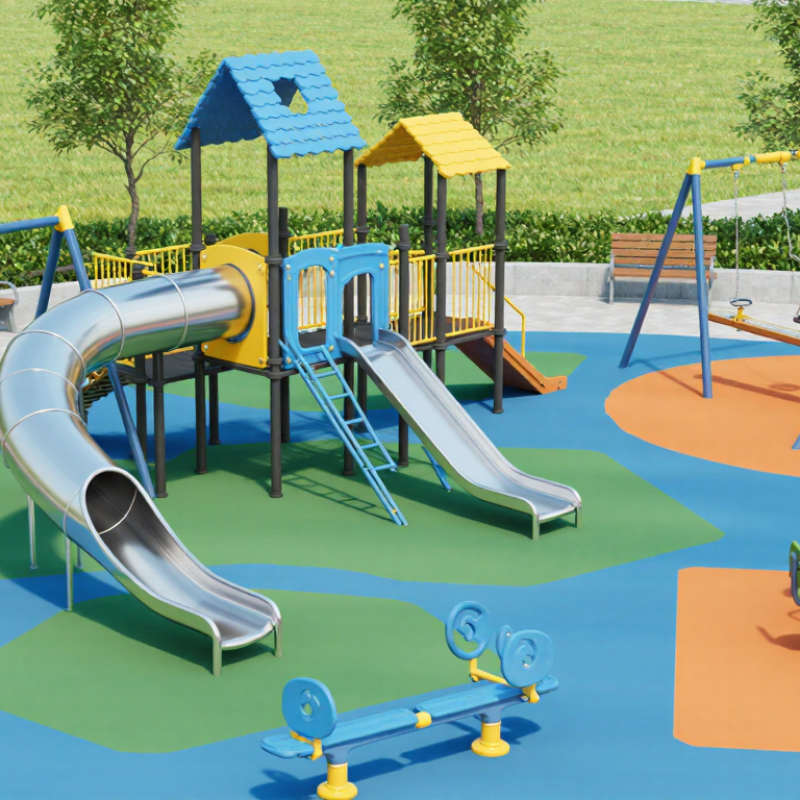
A top playground equipment supplier in 2026 offers more than attractive designs. They understand how children move, climb, balance, and cooperate during active play. Their products should match the site’s age range, available space, traffic flow, and local climate.
Reliable suppliers provide clear technical drawings, material specifications, installation instructions, and maintenance schedules. They can explain why a surface resists rust, fading, moisture, or repeated impact. Independent safety testing and documented quality checks also matter. For global buyers, traceable production records reduce uncertainty during purchasing and installation.
Look closely at daily usability. Are handrails easy to grip with wet hands? Can staff inspect hidden joints without special tools? Are replacement parts available years later? A strong supplier answers these questions with evidence, not polished promises. They should also support inclusive play through accessible routes, varied challenge levels, and comfortable transfer points.
Experience shows that small details often decide a project’s success. A swing may fit the drawing but fail in strong coastal wind. A colorful panel may fade faster than expected under intense sunlight. Good suppliers acknowledge these risks and adjust materials or layouts before delivery. They also communicate delays honestly and keep records that buyers can verify.
No supplier gets everything perfect. That matters. A dependable partner welcomes site feedback, investigates defects, and improves future designs instead of hiding weak points. Their expertise becomes visible in practical documents, careful testing, responsive service, and equipment that remains safe after years of busy play.
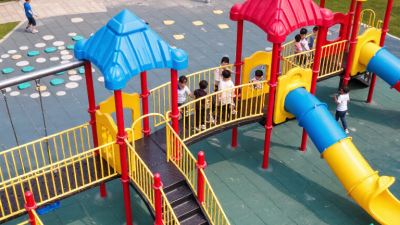
Key Playground Equipment Categories for Global Projects
Global playground projects need more than colorful structures. They require careful category planning, climate awareness, and dependable installation methods. From field experience, equipment selection often fails when buyers focus only on appearance.
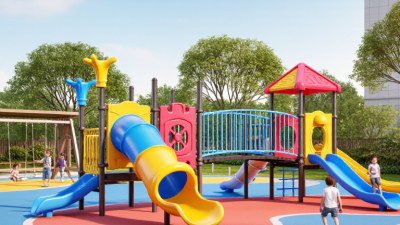
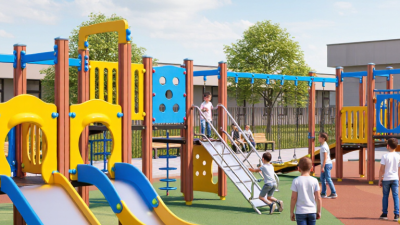
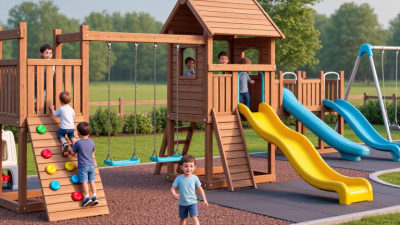
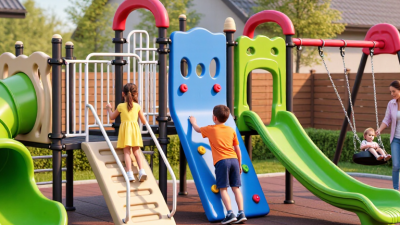
Core categories include slides, swings, climbing frames, balance trails, and inclusive play units. Slides need suitable heights, smooth surfaces, and safe exit zones. Swings require strong frames, secure seats, and generous spacing. Climbing equipment should offer varied difficulty without creating hidden trapping points. Inclusive units may include transfer platforms, sensory panels, and ground-level activities.
Water-play features are also popular in warm regions. They need slip-resistant flooring, controlled drainage, and regular maintenance access. Outdoor fitness stations can serve older users near playground areas, but they need clear separation from children’s equipment. Sports courts, shade structures, benches, and safety surfacing complete larger public projects. Small details matter.
Tips: Match each category with the site’s climate, user age, and maintenance capacity. Request material samples and installation drawings before ordering. Check impact-attenuation data and applicable safety requirements with qualified local professionals. Stainless hardware helps in coastal areas, but it still needs inspection. No plan is perfect. I have seen attractive layouts underperform because shade, drainage, or replacement parts were overlooked. A practical supplier should explain these weaknesses clearly, not hide them behind polished images.
| Equipment Category | Typical Configurations | Typical User Age | Typical Platform / Fall Height | Common Materials | Recommended Surfacing | Key Procurement Factors | Reference Standards |
|---|---|---|---|---|---|---|---|
| Swing Systems | Two-seat, four-seat, toddler, inclusive and basket swing configurations | 2–12 years | Approx. 1.2–2.4 m critical fall height, depending on seat and frame design | Galvanized or powder-coated steel, aluminum components, rubber or polymer seats | Engineered wood fiber, rubber tiles, poured-in-place rubber, or other impact-attenuating systems | Seat type, chain protection, swing spacing, anchoring, drainage and user capacity | EN 1176; ASTM F1487; AS 4685 |
| Slides | Straight, spiral, tunnel, wave, double-lane and embankment slides | 2–12 years | Approx. 0.6–2.4 m platform height; fall height generally relates to the highest accessible platform | Rotomolded polyethylene, stainless steel, fiberglass, or coated metal | Impact-attenuating surfacing at the exit and around elevated access points | Exit height, slide temperature, side barriers, run-out area, UV resistance and cleaning requirements | EN 1176; ASTM F1487; AS 4685 |
| Climbing Equipment | Climbing walls, nets, ladders, cargo nets, arches and bouldering elements | 5–12 years | Approx. 1.2–3.0 m, subject to geometry and access restrictions | Coated steel, stainless steel fittings, high-strength rope, molded grips and HDPE panels | Deep loose-fill, rubber surfacing, synthetic turf with pad, or poured-in-place systems | Grip size, entrapment control, rope wear, fall zones, load capacity and inspection access | EN 1176; ASTM F1487; AS 4685 |
| Multilevel Play Structures | Modular towers, bridges, ramps, tunnels, decks and connected activity panels | 2–12 years | Approx. 0.6–2.4 m deck height, selected by age group and site capacity | Galvanized steel, powder-coated steel, HDPE panels, aluminum and durable composites | Impact-attenuating surfacing throughout all designated fall zones | Modularity, circulation flow, capacity, visibility, drainage, corrosion protection and spare parts | EN 1176; ASTM F1487; AS 4685 |
| Seesaws and Rockers | Two-seat seesaws, spring rockers, multi-seat rockers and accessible rocking units | 2–8 years | Usually below 1.0 m critical fall height, depending on movement and seat position | Powder-coated steel, stainless steel pivots, molded seats and impact-resistant panels | Impact-attenuating surface around the complete operating area | Pinch-point protection, dampening system, handles, footrests, balance and maintenance access | EN 1176; ASTM F1487; AS 4685 |
| Spinners and Rotating Equipment | Rotating discs, overhead spinners, inclusive carousels and group spinners | 5–12 years | Commonly up to approximately 1.0 m, depending on the equipment type | Galvanized steel, stainless steel bearings, molded seats and textured platforms | Impact-attenuating surfacing across the full rotational clearance area | Rotation speed, handholds, clearance envelope, bearing protection, capacity and supervision visibility | EN 1176; ASTM F1487; AS 4685 |
| Inclusive and Accessible Play | Ground-level activities, transfer platforms, accessible ramps, sensory panels and wheelchair-friendly routes | 2–12 years | Ground-level to approximately 1.5 m for accessible elevated components | Powder-coated steel, HDPE, stainless steel, rubberized components and tactile materials | Firm, stable, slip-resistant and accessible routes combined with compliant impact surfacing | Route width, transfer height, turning space, sensory contrast, reach ranges and inclusive seating | EN 1176; ASTM F1487; local accessibility regulations |
| Outdoor Fitness and Teen Activity | Calisthenics frames, balance elements, agility stations and low-impact fitness units | 12+ years and adults | Varies by equipment; elevated bars and platforms require dedicated fall-zone assessment | Hot-dip galvanized steel, powder-coated steel, stainless steel and weather-resistant rubber | Impact-attenuating surfacing for elevated activities; stable non-slip surfacing elsewhere | Load rating, user instructions, anti-corrosion treatment, spacing, supervision and maintenance plans | EN 16630; local public-fitness safety requirements |
| Water and Sand Play | Sand tables, water channels, pumps, splash components and sensory play stations | 2–8 years | Generally ground-level or low-height; fall risk depends on platforms and surrounding layout | Stainless steel, HDPE, fiberglass, food-contact-compatible fittings and treated timber where permitted | Slip-resistant, well-drained, hygienic and accessible hardscape or compliant resilient surfacing | Water quality, drainage, stagnation control, hygiene, frost protection, UV resistance and cleaning access | EN 1176; local water, hygiene and public-health requirements |
2026 Top Playground Equipment Suppliers for Global Buyers?
Safety Standards, Certifications, and Quality Control
Reliable playground sourcing begins with safety standards, not attractive designs. Buyers should identify the destination market before requesting quotations. European projects commonly reference EN 1176, while many North American projects use ASTM F1487 and related guidance. These standards address fall zones, entrapment risks, impact absorption, structural strength, and equipment layout.
Certification alone is not enough. A supplier should provide current test reports, material specifications, welding records, and installation instructions. Ask whether an independent laboratory performed the testing. Check the report number, tested model, production date, and applicable standard. Small gaps matter. A certificate covering one prototype may not cover every later shipment.
Quality control must continue inside the factory. Inspectors should verify steel thickness, coating adhesion, sharp edges, fasteners, and moving parts before packing. Sampling inspections can reveal problems, but they cannot replace process control. Traceable batch numbers make recalls and maintenance decisions more practical. Installation also deserves attention. Incorrect anchoring can undermine well-designed equipment.
Experienced buyers usually request pre-shipment inspection and site-specific drawings. They also confirm spare-part availability and maintenance intervals. Weather, ultraviolet exposure, drainage, and local soil conditions can change performance significantly. A supplier may pass a laboratory test and still deliver inconsistent workmanship. That uncomfortable possibility deserves honest review. Safety is maintained through documented checks, trained installers, and regular site inspections—not through paperwork alone.
Safety documentation and quality control are key criteria when comparing playground equipment suppliers for international projects. The chart shows the two principal impact-attenuation limits commonly verified under ASTM F1292 for playground surfacing: a maximum Head Injury Criterion (HIC) of 1,000 and maximum acceleration of 200 g.
Buyers should also request current test reports, material traceability records, factory quality-control procedures, and evidence of compliance with the applicable local standard, such as EN 1176/EN 1177, ASTM F1487/F1292, CSA Z614, or AS 4685. These standards are not interchangeable, and project requirements may vary by country.
Global buyers evaluating playground equipment suppliers in 2026 should compare evidence, not polished catalogs. A reliable supplier shares its factory location, production capacity, material specifications, and recent project references. Ask who designs the equipment and who performs final inspections. Stainless steel grade, coating thickness, weld quality, and impact-absorbing surfaces affect long-term safety. Request independent laboratory reports with model numbers matching the quoted products. A certificate without traceable documents is weak evidence. On-site or video audits can reveal storage conditions, assembly practices, and worker experience. Photos help, but they can hide details.
Price comparisons need equal specifications. Compare shipping terms, packaging, installation guidance, spare-part availability, and warranty responses. A lower quote may exclude foundations, freight, or replacement hardware. Manufacturers should explain load calculations, age ranges, maintenance schedules, and accessibility features clearly. Check whether drawings show drainage, anchor positions, fall zones, and usable platform heights. Speak with previous buyers when possible. Their comments about delayed parts often matter more than sales promises. I have found that small communication gaps become expensive during installation. Yet even experienced buyers can overlook local ground conditions.
Tips: Build a comparison sheet before requesting final prices. Record every assumption. Ask for one complete sample quotation. Require revision dates on drawings and documents. Test response speed with practical questions. Do not reward the cheapest answer automatically. A supplier that admits a limitation may be more dependable than one making perfect claims.
For global buyers in 2026, playground sourcing involves more than comparing catalog prices. A capable supplier should explain material grades, load limits, testing records, and expected service life. Ask for drawings showing anchor points, fall zones, and packed dimensions. These details reveal risks before payment. During factory evaluations, inspect welds, edge finishing, drainage holes, and packaging. A polished brochure proves little. Samples matter.
International shipping needs a practical plan. Confirm whether prices include export packing, inland transport, customs documents, and port delivery. Crates should protect coated metal, molded panels, and hardware from moisture and impact. Request carton labels, spare-part lists, and loading photographs. Small omissions can delay installation for weeks. Weather and port congestion remain difficult to predict, so build flexibility into schedules.
Installation support should continue after arrival. Reliable suppliers provide numbered part drawings, foundation requirements, assembly videos, and remote technical guidance. For large sites, an experienced supervisor can check leveling, bolt torque, surfacing depth, and swing clearance. Local contractors may work quickly, but they can miss equipment-specific details. Do not assume every concrete slab is ready. It may not be. After handover, request inspection records, maintenance intervals, replacement-part access, and a clear response process.