2026 Best Outdoor Playground Sets for Global Buyers?
In recent years, the demand for Outdoor Playground Sets has surged globally. According to a report by Research and Markets, the playground equipment market is projected to reach $6.5 billion by 2026. This growth reflects a growing focus on children's physical activity and social interaction. Parents increasingly recognize the importance of outdoor play in childhood development.
However, not all outdoor playground sets are created equal. Quality, safety, and design can vary significantly across brands and regions. An alarming study by the American Academy of Pediatrics highlights that playground injuries account for over 200,000 visits to U.S. emergency rooms annually. Thus, selecting the right playground set requires careful consideration.
Investing in high-quality Outdoor Playground Sets is vital. Features such as age-appropriate structures, durable materials, and safety certifications are critical. Yet, price pressures can lead to compromises that may affect safety and usability. As the market evolves, buyers must navigate these challenges effectively, balancing cost with quality to ensure a safe and enriching play environment for children.
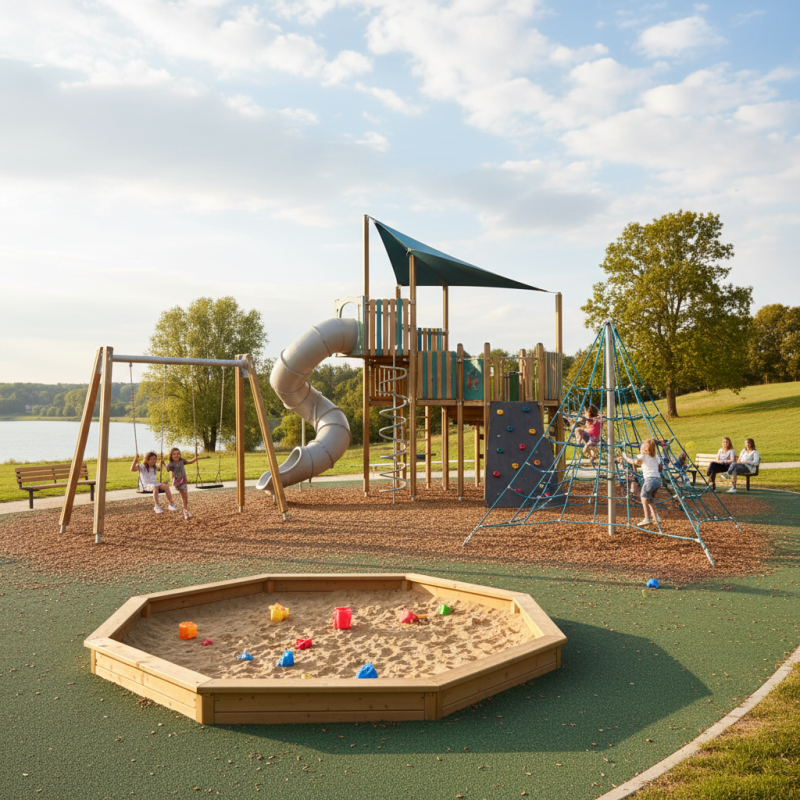
Top Features to Consider When Selecting Outdoor Playground Sets
When selecting outdoor playground sets, safety is paramount. Look for materials that are durable yet gentle. Non-toxic finishes are essential, especially for younger children. Ensure the equipment adheres to safety standards. Check reviews and ratings for insights on performance and user satisfaction.
Design plays a significant role in engagement. Diverse structures keep children interested. Slides, swings, and climbing walls promote physical activity. Consider the age range of the users. Some sets cater specifically to toddlers, while others suit older kids. Versatile designs can grow with children, offering long-term value.
Lastly, installation and maintenance matter. Some sets are easy to assemble, while others may require professional help. Check for customer support options. Regular maintenance extends the lifespan of the equipment. A well-kept playground fosters a safe and enjoyable environment. Reflect on your space and needs before making a decision.
2026 Best Outdoor Playground Sets for Global Buyers
| Model |
Age Range |
Material |
Key Features |
Safety Standards |
Approx. Price ($) |
| Joyful Adventure Set |
2-10 years |
Wood & Metal |
Slides, Climbing Walls, Swings |
ASTM & CPSIA |
499 |
| Nature Explorer Combo |
3-12 years |
Recycled Plastic |
Sandbox, Climbing Frame, Rope Ladder |
EN 1176 |
350 |
| Ultimate Challenger Set |
5-15 years |
Metal |
Zip Line, Monkey Bars, Sliding Tube |
ASTM & EN 1176 |
799 |
| Sunny Days Playset |
1-7 years |
Wood |
Slide, Playhouse, Tunnel |
CPSC & ASTM |
450 |
| Adventure Cove Set |
2-8 years |
Plastic |
Swings, Climbing Wall, Basketball Hoop |
EN 1176 |
399 |
Popular Materials Used in Outdoor Playground Set Construction
When it comes to outdoor playground sets, material selection is crucial for safety and longevity. Most playgrounds utilize materials like plastic, wood, and metal. Each has unique benefits impacting durability and maintenance.
Plastic is lightweight and resistant to weather elements. It is easy to clean and maintain, making it ideal for residential playgrounds. However, in extreme temperatures, plastic can crack or fade. Wood offers a natural aesthetic and is sturdy but requires regular treatments to prevent rot. Metal structures are robust but can get hot under the sun. Their maintenance may also be challenging, as rust can develop over time.
Choosing the right material often boils down to specific needs and local climate. While plastic can suit temperate areas, wood might flourish in humid zones if maintained properly. However, careful consideration is required when relying on any single material. Balancing durability, safety, and environmental factors can be complex. Observing how different materials perform over time can offer valuable insights for future choices.
2026 Best Outdoor Playground Sets for Global Buyers
Safety Standards and Regulations for Outdoor Play Equipment
When selecting outdoor playground sets, safety is paramount. Various safety standards exist across the globe. These standards ensure that equipment is safe for children. In countries like the United States, the Consumer Product Safety Commission (CPSC) sets guidelines. These guidelines cover materials, spacing, and installation methods.
Different regions may have unique regulations. For instance, European standards emphasize not just structural integrity but also environmental safety. Playgrounds must be checked regularly for wear and tear. Parents should look for equipment made with non-toxic materials. Regular maintenance can prevent accidents.
Despite regulations, not all manufacturers comply. Some equipment may seem sturdy but lack adequate safety features. Potential buyers should research and ask for certifications. This diligence helps to ensure children play in a safe environment. Thoughtful choices lead to safer play experiences.
Best Outdoor Playground Sets for Different Age Groups
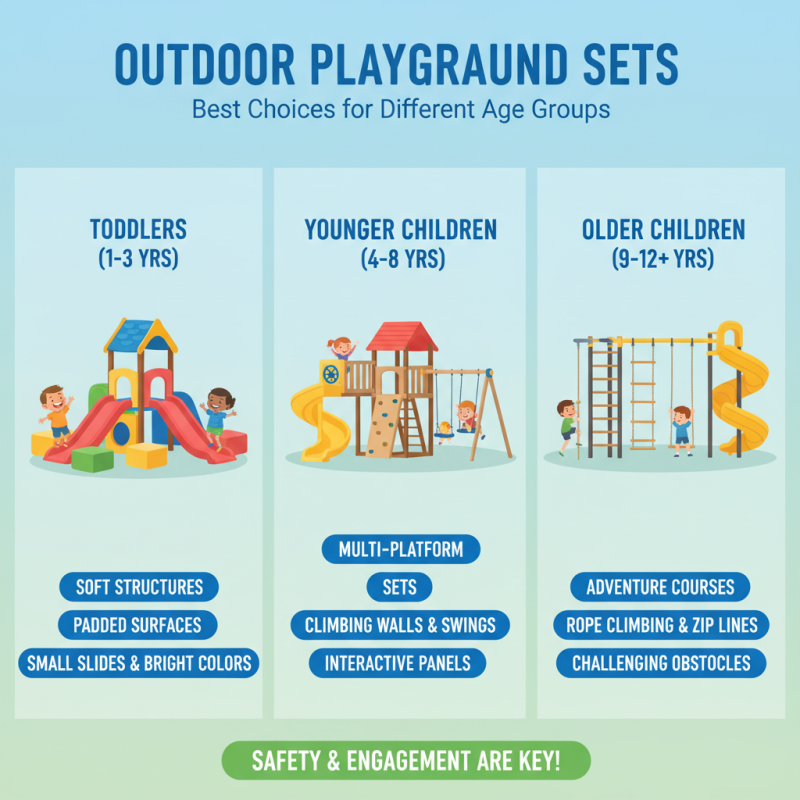
When selecting outdoor playground sets for different age groups, it’s vital to consider safety and engagement. For toddlers, soft structure sets with padded surfaces are ideal. These designs promote balance and coordination without the risks associated with harder materials. Bright colors and smaller slides can capture their attention effectively, ensuring a safe play experience.
Older children, aged five to twelve, require more complex structures. They benefit from climbing walls, swings, and varied slide heights. These features encourage physical challenges and social interaction. However, it’s essential to ensure there are adequate safety measures in place. Inspect for sturdy materials and safe spacing to prevent injuries during active play.
While shopping, remember that not every set fits every child’s needs. Older kids might outgrow basic sets quickly, while toddlers may be intimidated by overly complex structures. That can lead to frustration and disengagement. It’s worth reflecting on these aspects before making a purchase. Paying attention to these details will help create a safe and enjoyable playtime for all age groups.
 +86-13901441113

 CONTACT NUMBER
 CONTACT NUMBER