Top 10 Outdoor Play Structures for Safe and Fun Playtime?
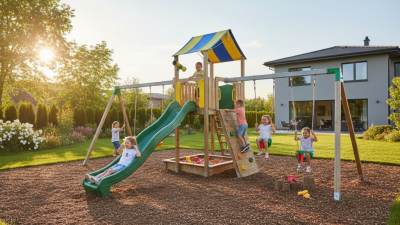
When it comes to children’s play, safety and enjoyment are paramount. An Outdoor Play Structure can offer a perfect solution for both. These structures provide spaces where kids can explore, engage, and let their imaginations run wild. Parents often seek play structures that balance fun with safety features. However, not all outdoor play options are created equal.
Choosing the right Outdoor Play Structure requires thoughtful consideration. Many families struggle to find durable and safe options tailored to their children's age and interests. It is essential to look for materials that withstand weather while ensuring safety standards. Moreover, accessibility plays a key role in a child's engagement.
While many products boast exceptional qualities, there can be drawbacks. Some structures may not fit well in small yards, limiting opportunities for play. Others might require installation that challenges even the most handy parent. Reflecting on these factors is crucial for making informed decisions. Ultimately, an ideal Outdoor Play Structure enriches playtime and creates lasting memories for children.
Essential Features of Outdoor Play Structures for Safety
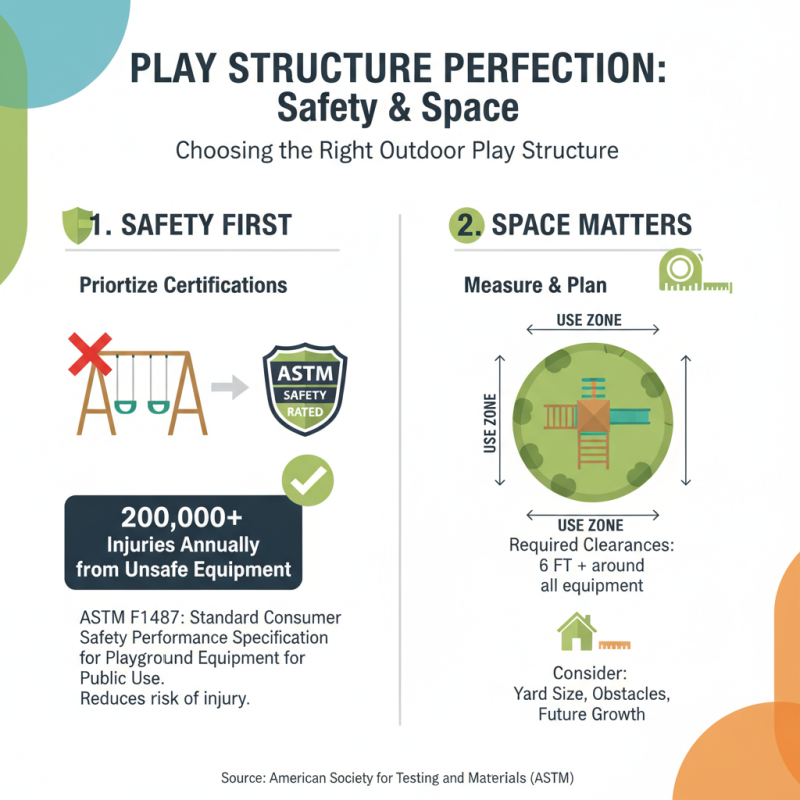
When choosing outdoor play structures, safety is a top concern. Parents must look for structures made of durable materials that can withstand various weather conditions. Look for features like rounded edges and non-toxic finishes. These small details can make a big difference in preventing injuries.
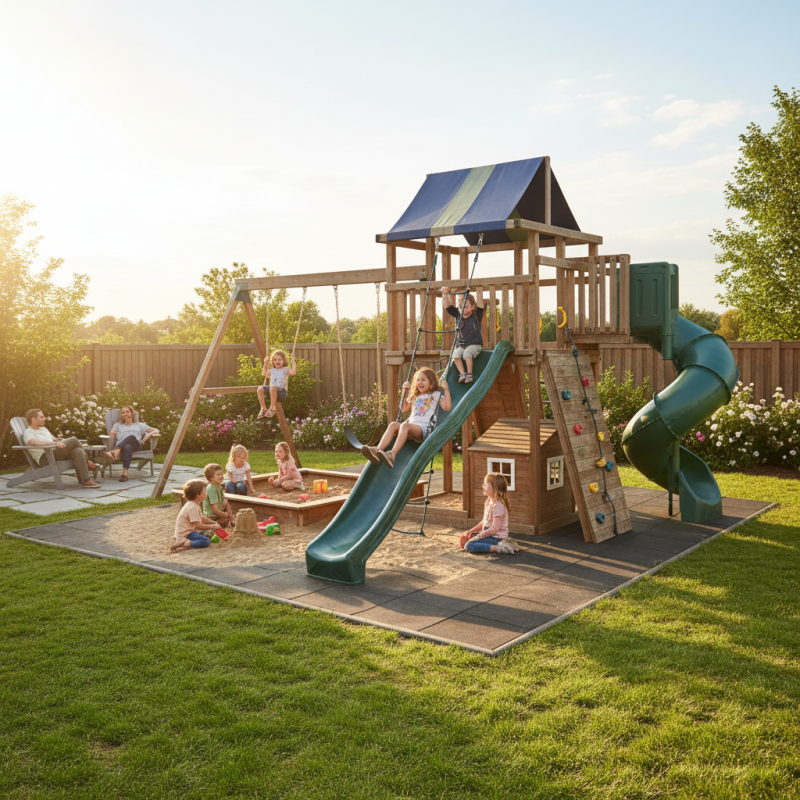
Additionally, stability should be a priority. Structures need to be anchored safely to prevent tipping during play. Use caution when assessing the height of platforms and slides. Children can get hurt if there isn’t enough cushioning beneath the equipment. Soft ground surfaces like rubber matting can protect kids during falls.
Furthermore, consider the age range appropriate for each structure. Not all play equipment is suitable for every child. Younger children need lower heights and smaller spaces. Adult supervision is also essential, even with the safest structures. Sometimes, even a sturdy playset can pose risks if children are not monitored closely. Remember, enjoying playtime also involves staying vigilant.
Top 10 Outdoor Play Structures for Safe and Fun Playtime
Types of Outdoor Play Structures to Consider for Different Age Groups
When choosing outdoor play structures, it’s essential to consider the age of the children who will use them. Toddlers, for example, need structures that prioritize safety and stability. Low climbing frames and sandbox areas are perfect for this age group. They encourage exploration while minimizing the risk of falls. Soft surfaces like grass or rubber mats underneath can cushion any tumbles.
For preschoolers, more complexity is appropriate. Slides and small climbing walls can help develop motor skills. These structures should still be safe, with carefully designed edges to prevent injuries. Adding interactive elements like swings that have safety harnesses can enhance their experience. Children at this age thrive on imaginative play, so features like tunnels or playhouses can foster creativity.
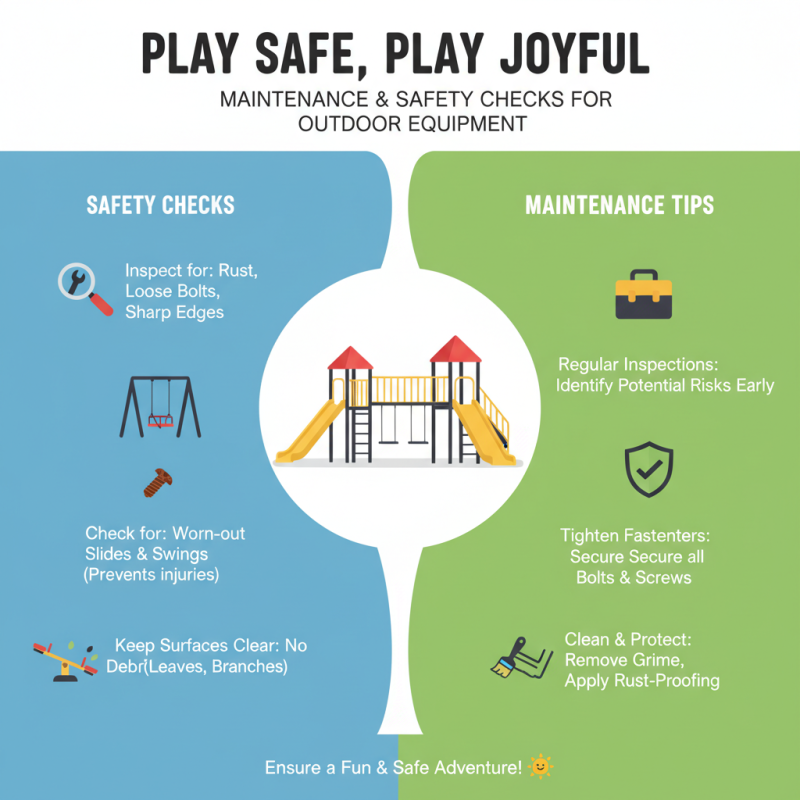
Older children are ready for more challenging designs. Forts with higher climbing elements and zip lines offer thrilling experiences. However, it's crucial to ensure that all equipment is sturdy. Regular inspections for wear and tear can prevent accidents. Parents need to confirm that the structures suit the skill level of their kids. Some kids require more supervision, especially on complex apparatus. It’s important to create a safe and engaging environment for all age groups.
Top 10 Outdoor Play Structures for Safe and Fun Playtime
| Structure Type |
Suitable Age Group |
Material |
Safety Features |
Average Price ($) |
| Playhouse |
2-6 years |
Plastic/Wood |
Non-toxic materials, rounded edges |
150-500 |
| Swing Set |
3-10 years |
Metal/Wood |
Safety belts, stable anchors |
200-800 |
| Slide |
2-8 years |
Plastic/Metal |
Wide base, no sharp edges |
100-400 |
| Climbing Frame |
4-12 years |
Metal/Wood |
Textured grips, sturdy structure |
300-900 |
| Sandpit |
2-8 years |
Wood/Plastic |
Covered edges, removable cover |
50-200 |
| Obstacle Course |
5-12 years |
Metal/Fabric |
Safety nets, cushioned surfaces |
500-1500 |
| See-Saw |
3-10 years |
Wood/Metal |
Stable base, safety grips |
100-300 |
| Monkey Bars |
4-12 years |
Metal |
Solid construction, cushioned fall area |
250-700 |
| Swing and Slide Combo |
3-10 years |
Plastic/Wood |
Multiple safety features, reinforced joints |
300-800 |
| Inflatable Bouncer |
3-12 years |
Vinyl/Fabric |
Safety netting, secure anchoring |
200-1000 |
Top Materials Used in Outdoor Play Structures and Their Benefits
When selecting outdoor play structures, the chosen materials significantly impact safety and enjoyment. Wood, often favored for its classic appeal, provides sturdiness. According to a 2022 study by the American Society for Testing and Materials, untreated wood can splinter, raising safety concerns. Therefore, opting for treated or composite wood enhances durability while reducing risks.
Metal is another prevalent choice. It's robust and often weathers storms well. A report from the National Association of Playground Safety indicates that properly coated metal structures can last over 20 years. However, metal can become hot in direct sunlight, posing a risk of burns. Using shaded areas or protective coverings can mitigate this issue.
Plastic materials have gained popularity, especially in swing sets and slides. They are lightweight and resistant to fading, which is crucial for maintaining vibrant colors. Researchers found that high-density polyethylene (HDPE) has become a top pick due to its strength and flexibility, making it safer for children. Yet, plastic can crack over time, particularly in colder climates. Regular maintenance checks are essential to ensure ongoing safety and enjoyment.
 +86-13901441113

 CONTACT NUMBER
 CONTACT NUMBER