+86-13901441113


Choosing Outdoor Play Sets is about more than finding a bright slide or a sturdy-looking swing. The right set should fit your child’s age, your yard, and the way your family uses outdoor space. Measure the area carefully. Leave room for swings to move, children to climb, and adults to supervise. Check the ground beneath the equipment, too; a soft surface can matter more than another accessory.
Safety deserves a close look. The U.S. Consumer Product Safety Commission reports more than 200,000 playground-related emergency-room visits for children each year. That estimate covers playground equipment broadly, not backyard sets alone, so it should not be read as a risk figure for any particular product. Still, it is a useful reminder to inspect construction, installation instructions, guardrails, and fall zones. The American Academy of Pediatrics clinical report led by pediatrician Michael Yogman states, “Play is essential to the cognitive, physical, social, and emotional well-being of children and youth.” A set should invite that play without making supervision difficult.
Before comparing prices, picture an ordinary afternoon: wet shoes by the door, a child reaching for a high platform, and a caregiver checking the anchors. Wood, metal, and plastic each bring different upkeep needs; no material is perfect. Manufacturer age guidance and clear assembly instructions deserve more attention than flashy add-ons. A checklist helps, but it cannot judge how your own children play. Use this guide to weigh safety, space, durability, and play value—and to notice where a seemingly good choice may not suit your yard.
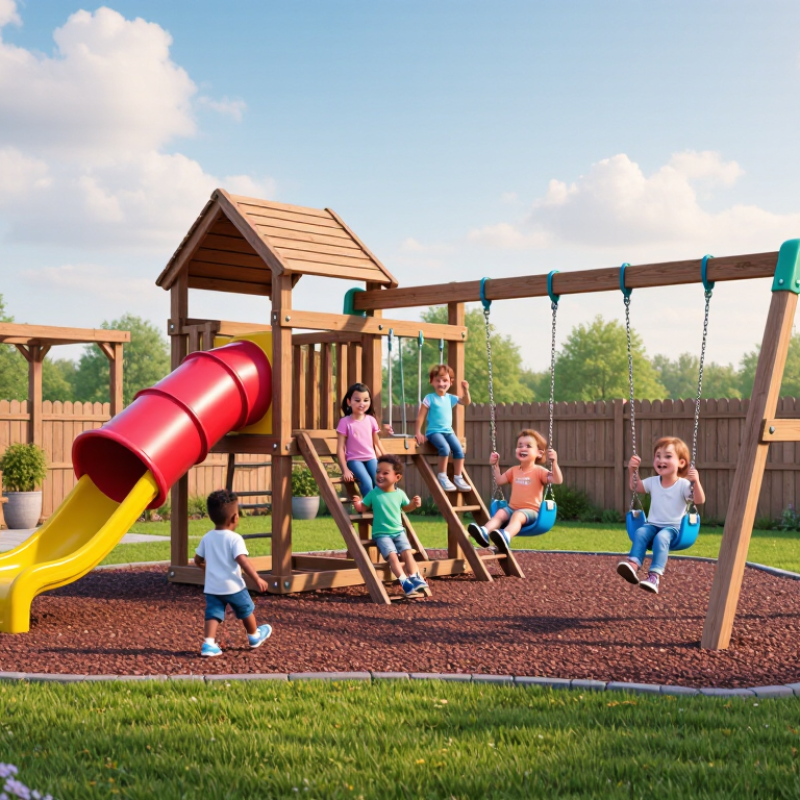
Choosing an outdoor play set starts with the child who will use it, not the largest structure that fits the yard. Check the maker’s age guidance, then consider your child’s coordination, confidence, and ability to follow simple safety rules. A preschooler may enjoy low steps, a short slide, and an easy-to-reach platform. Older children might want climbing challenges or room to play with friends. Age is only a guide. Children develop at different rates.
Notice what holds your child’s attention outdoors. Do they climb every low wall, swing for long stretches, or invent games with sticks and toy animals? Those habits can point toward features they will actually use. A child who loves pretend play may value a small lookout space more than several climbing routes. Watch them play. You may be surprised.
Think about practical needs, too: the number of children using the set, available ground space, shade, and how easily an adult can see the play area. Measure the yard before shopping, and leave room around moving parts and access points. A tall set can look exciting in a catalog but feel overwhelming in a small space. I would not assume children will “grow into” every feature; unused challenges can become frustrating. Choose manageable play now, with some room for changing interests, and review setup and maintenance instructions before use.
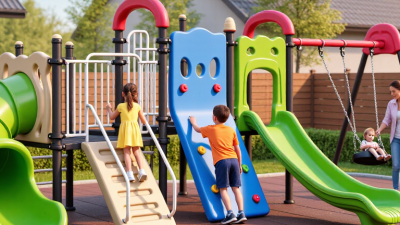
Measure the yard before comparing play sets. Use a tape measure to mark the full footprint, including space for swings to move and children to climb down. Check the installation guide for the clearances the equipment needs; they vary by design. A garden hose or chalk line can make the outline easier to picture. It may feel generous on paper, then look surprisingly tight beside a fence.
Look up, too. Low branches, roof edges, and overhead wires can limit where a set belongs. Check the ground after rain: water that pools near the posts may weaken the soil or make play areas muddy. A slight slope can also complicate leveling. I would not assume a patch is flat just because it looks flat; a long level can reveal a tilt you missed.
Note what sits below and around the equipment. Roots, sprinkler lines, and buried services may affect digging, so identify them before setting posts. Plan for suitable impact-absorbing surfacing, following the equipment maker’s guidance for its type and fall height. Leave a clear view from the house or seating area, where practical. The sketch may need changing. That is normal.
Outdoor play sets differ in footprint, activities, and upkeep. A compact swing-and-slide set may suit a smaller yard. Larger climbing frames offer more varied movement, but need clear fall zones and room around them. Measure the yard, including space behind swings and beyond the slide exit. Measure twice. A set that fits on paper may still crowd a gate or garden bed.
Wood often feels sturdy and blends into a yard, though it needs regular checks for splinters, loose bolts, and weather wear. Metal frames can be easy to wipe clean, but inspect joints for rust and surfaces that may heat up in direct sun. Plastic pieces are usually lighter and easy to rinse; they may feel less substantial with frequent use. Look for secure handholds, rounded edges, stable anchors, and age-appropriate platforms. Assembly quality matters too. A misaligned ladder can be awkward to climb, and fixing it later is frustrating.
Tips: Match the set to children’s current abilities while leaving room to grow. Read maintenance instructions before buying, and check the ground beneath climbing areas; grass alone may not cushion every fall. Include upkeep in your budget, not just the purchase price. No option is perfect. Choose features your family will use, then inspect the hardware regularly.
| Play Set Type | Typical Materials | Common Features | Best Suited For | Space & Setup | Care & Key Considerations |
|---|---|---|---|---|---|
| Wooden swing set | Usually treated or naturally durable lumber, with metal brackets and chains or ropes | One or more swings; some models add a slide, climbing wall, or raised platform | Families wanting a sturdy, adaptable backyard structure for several kinds of play | Often needs a medium-to-large level area; assembly can take several hours or longer | Check fasteners and wood for wear, splinters, or decay; follow the maker’s guidance for sealing and maintenance |
| Metal swing set | Powder-coated or painted steel tubing with plastic seats and connecting parts | Typically includes swings; some designs have a glider or a small slide | Households looking for a relatively simple swing-focused setup | Usually a smaller footprint than a large multi-activity structure; assembly and anchoring are required | Inspect joints, coatings, and anchors; exposed metal can become hot in direct sunlight |
| Plastic playhouse or activity set | Molded outdoor-rated plastic, sometimes combined with metal hardware | Pretend-play spaces, low slides, crawl-through openings, or small climbing features | Younger children and families seeking a lower-height, easy-to-clean option | Often compact and comparatively straightforward to assemble; check the full use area around slides and openings | Clean periodically and inspect for cracks, fading, or loose connectors; plastic may heat up in strong sun |
| Combination play set | Commonly wood or metal framing with plastic slides and swing components | May combine a platform, slide, swings, climbing wall, ladder, or play area | Families with multiple children or varied play interests | Typically requires more yard space, a clear safety zone, and a more involved installation | Confirm that each feature matches children’s ages and abilities; inspect every component and connection regularly |
| Climbing dome or climber | Usually coated steel tubing with molded plastic grips or connectors | Climbing bars or grips; some designs include a platform or attachment points for accessories | Children who enjoy active climbing and can follow age-appropriate safety guidance | Footprint varies by shape and height; requires suitable surfacing and clear space around the structure | Check stability, connections, and corrosion; supervise children and avoid use when surfaces are wet or slippery |
| Modular or expandable set | Varies; may combine treated lumber, coated metal, plastic, and compatible hardware | A core structure with optional or add-on features such as swings, slides, or climbing elements | Families planning to add features over time or work within a defined budget | Can start compact, but additions may increase the footprint and required safety clearance | Use only components designed to fit the structure; recheck stability and clearances after changes |
Selection tip: Measure the available yard space, including the manufacturer-recommended clearance around the equipment. Match the set to children’s ages, abilities, and expected number of users, and choose appropriate impact-absorbing surfacing. Always follow the product instructions and inspect the play set regularly.
Before comparing features, read the safety documentation. Check that the play set meets a recognized children’s play equipment standard in your region, and look for clear test or compliance records. Paperwork matters. Confirm the equipment’s age and weight limits, and check that platforms, openings, and guardrails suit the children who will use it. A low price can hide missing details; vague instructions are a reason to pause.
Installation requirements can change what looks like a good choice. Measure the full play area, including the swing path and space around slides, rather than measuring only the frame. Look for level, stable ground, and check for buried utility lines before driving in anchors. Use the anchoring method specified in the manual. Concrete is not always needed, and guessing can create new problems. Keep the structure clear of fences, tree trunks, and hard edges.
Set aside the tools, hardware, and time the instructions call for, and have another adult help with heavy parts. Tighten connections as directed, then inspect them after the first few weeks of use. I would not assume a sturdy-looking frame is secure; small shifts can be easy to miss. Some instructions are less clear than they should be, so pause and contact the seller or a qualified installer rather than improvising.
A play set should fit your yard and your willingness to maintain it. Before buying, check the material and care instructions. Wood may need periodic sealing, while metal parts need checks for rust, and plastic can fade or become brittle after years in strong sun. No material is maintenance-free. That matters.
Look closely at joints, bolts, chains, and swing hangers. Choose a design with replaceable hardware and parts you can inspect without special tools. Ask how the structure should be anchored, then follow its installation instructions and recheck the anchors after heavy rain or freeze-thaw weather. Keep the ground around posts clear so you can spot movement or decay. A quick monthly look can catch a loose fastener before it becomes a larger repair.
Think about how children may use the set in three or five years. A toddler-friendly climber may feel small sooner than expected, but a taller structure needs suitable space and regular checks. Measure the available area, including room for swings to move. I’d leave more clearance than seems necessary; it can feel wasteful at first. Keep a simple maintenance note with inspection dates, repairs, and any parts that need watching. A pencil and a dry place to store the instructions help.
Plan for Maintenance, Durability, and Long-Term Use
Why it matters: A play set’s long-term safety depends on the surface beneath it, too. CPSC test data shows that loose-fill materials provide different levels of fall protection at a 9-inch depth. Materials can shift or compact over time, so check the play area regularly and replenish it as needed. Follow the play set’s instructions and applicable safety guidance.
Source: U.S. Consumer Product Safety Commission, Public Playground Safety Handbook, Table 2. Values are critical fall heights from tested samples; actual performance depends on installation and ongoing maintenance.