How to Choose the Best Playground in the Park in 2026?
Choosing the best Playground In The Park in 2026 requires more than bright colors and new equipment. It requires evidence, observation, and practical judgment. The World Health Organization recommends at least 60 minutes of moderate-to-vigorous activity daily for children and adolescents aged 5–17. A well-designed playground can support that movement through climbing, balancing, swinging, and imaginative play.
Safety must remain visible. The U.S. Consumer Product Safety Commission’s Public Playground Safety Handbook reports that falls cause approximately 79% of playground equipment injuries. That figure makes impact-absorbing surfacing, guardrails, clear sightlines, and regular inspections essential. ASTM playground standards and local accessibility requirements also provide useful technical benchmarks. Still, compliance alone cannot tell parents whether a shaded bench, clean drinking fountain, or quiet sensory corner is actually available.
Joe Frost, a respected playground researcher and professor emeritus, described play as “the business of childhood.” His observation remains relevant in 2026. The strongest park playgrounds invite challenge without creating unnecessary danger. They offer different heights, textures, and levels of difficulty. They welcome toddlers, older children, caregivers, and children with disabilities.
Perfect choices are rare. I may overvalue equipment variety and undervalue maintenance records. That is why this guide examines real conditions: loose bolts, hot metal slides, worn surfacing, crowded pathways, and afternoon shade. The best Playground In The Park is not always the newest one. It is the place where safety, access, movement, imagination, and dependable care meet.
Define the Park Playground’s Purpose and Intended Age Group
How to Choose the Best Playground in the Park in 2026?
Define the Park Playground’s Purpose and Intended Age Group
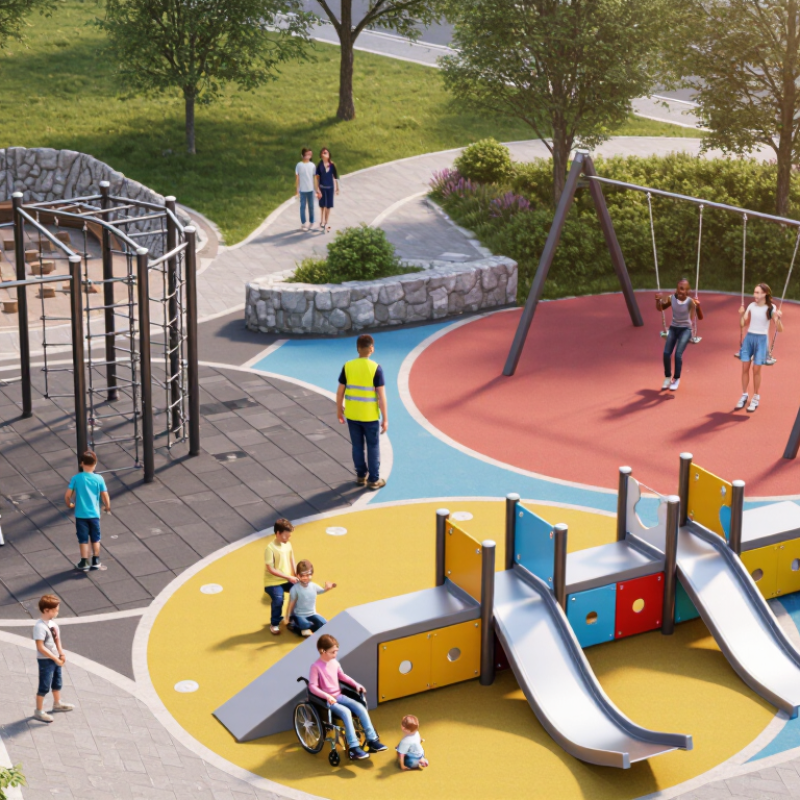
A playground should serve a clear purpose before anyone chooses equipment. Is it designed for active movement, imaginative play, social interaction, or quiet discovery? In my experience, mixed-purpose spaces work well when each zone has visible boundaries. Children can run without crossing toddlers’ paths. Caregivers can also maintain a clear line of sight.
Age suitability matters just as much. Toddlers need low platforms, gentle slopes, secure handrails, and short climbing challenges. Children aged five to twelve often seek height, speed, balance, and problem-solving features. Separate entrances can reduce collisions. Still, age ranges should guide planning, not label every child rigidly.
Observe the children using the park. Watch where they hesitate, gather, or leave quickly. A slide may look exciting, yet its ladder could be too difficult for younger users. A quiet sensory panel might attract older children longer than expected. I once favored a visually impressive climbing structure, but later noticed crowded landings and limited shade. That mistake changed my evaluation process.
Purpose also includes inclusion. Choose routes that support different mobility, sensory, and confidence levels. Ground surfaces should remain stable, well-drained, and regularly inspected. Local accessibility and safety requirements should shape the final design. Ask qualified playground inspectors to review fall zones, equipment spacing, and maintenance records. A beautiful playground can still fail if adults cannot supervise comfortably.
Evaluate Safety Standards, Equipment Quality, and Accessibility
How to Choose the Best Playground in the Park in 2026?
A good playground should show clear evidence of regular safety inspections. Check the inspection date, maintenance contact, and posted emergency information. Look closely at bolts, handrails, platforms, and moving parts. Nothing should wobble, crack, or feel unusually sharp. Safety surfacing also matters. Rubber tiles, engineered wood fiber, or clean sand should cover the fall zones evenly. Hard ground near slides is a warning sign. Standards vary by location, so confirm guidance from the local parks authority or a qualified playground inspector. I once noticed a loose barrier only after watching children climb. That experience changed how I assess equipment.
Tips: Visit at different times. Check whether staff repair small defects quickly. Test gates and accessible paths yourself. A stroller should reach the main play area without mud, steps, or narrow turns. Look for ramps, transfer platforms, supportive seats, and ground-level activities. Accessible design should support participation, not only observation. Shade, drinking water, and nearby seating also improve practical usability, especially for children who tire easily. Some features may look inclusive but remain difficult to use independently.
Equipment quality is more than bright paint. Surfaces should resist splintering, rust, peeling, and excessive heat. Swings need secure seats and enough spacing. Slides should have stable ladders and safe exits. Ask whether maintenance records are available. Reliable information is better than attractive appearance. I may miss hidden damage, so I would report concerns and reassess the site after repairs.
Compare Layout, Play Features, Shade, Seating, and Cleanliness
How to Choose the Best Playground in the Park in 2026?
Choosing a park playground starts with its layout, not its brightest equipment. From site visits, I look for clear sightlines between swings, slides, and climbing zones. Caregivers should see children without standing inside the play area. Separate toddler and active zones can reduce collisions, though no layout removes every risk. Check the ground path too. It should be level, firm, and accessible for strollers or mobility devices.
Play features should match a child’s age, confidence, and energy. A balanced space offers climbing, sliding, swinging, spinning, and imaginative elements. Look for varied heights and challenge levels. This supports gradual skill building instead of one dramatic structure. Inspect handholds, platforms, and safety surfacing for wear. I once preferred a large playground, but its steep equipment overwhelmed younger children. That choice needed more reflection.
Shade and seating often shape the visit more than families expect. Trees, canopies, and shaded benches help during hot afternoons, but shade should not block supervision. Seats with backs and nearby stroller space are practical details. Cleanliness deserves close attention. Check bins, fountains, toilets, and surfaces beneath equipment. Fresh litter or sticky touchpoints may indicate weak maintenance. Posted inspection dates help, yet direct observation remains important. Conditions can change after rain, events, or busy weekends.
Check Location, Supervision, Maintenance, and Emergency Access
How to Choose the Best Playground in the Park in 2026?
Location shapes the whole playground experience. Choose a site away from busy roads, deep water, and hidden corners. Look for clear sightlines from benches to climbing areas. Shade matters, especially when metal slides feel hot by midday. A nearby restroom, drinking fountain, and stroller-friendly path also make visits easier. I have found that a beautiful setting can still feel uncomfortable when caregivers cannot see every play zone.
Supervision depends on design and adult attention. Pick equipment that matches the children’s ages and abilities. Check whether signs explain age limits and safe use. Watch for crowded entrances, blind spots, or older children crossing toddler areas. A responsible caregiver should stay close, not rely only on posted rules. I once chose a playground with excellent visibility, yet ignored its noisy surroundings. That decision made supervision harder than expected.
Maintenance shows whether safety receives regular attention. Inspect loose bolts, cracked plastic, rust, sharp edges, and worn protective surfacing. Avoid equipment with standing water or exposed foundations. Ask park staff how often inspections occur and how quickly repairs are completed. Emergency access deserves equal attention. Keep gates, pathways, and service lanes visibly clear. Identify the nearest staffed facility and note the exact playground location. Some parks provide an emergency contact sign, but signs can fade or become confusing. Recheck the information during each visit.
How to Choose the Best Playground in the Park in 2026?
A practical 100-point evaluation framework based on location, supervision, maintenance, and emergency access.
Maintenance and emergency access receive the highest priority because equipment condition and rapid response directly affect injury prevention. Location and active supervision also matter by improving visibility, reducing hazards, and helping adults respond quickly.
Choose the Playground That Best Matches Your Family’s Needs
Choosing the best playground in 2026 starts with your family, not the newest equipment. I learned this after bringing children with very different energy levels to local parks. Consider age, confidence, sensory needs, mobility, and supervision. A toddler may need low platforms, gentle steps, and nearby seating. Older children may prefer climbing walls, spinning equipment, or open running space. Ask what feels exciting, not frightening. Listen carefully. Their answers can change quickly.
Before play, walk around the equipment and notice small details. Look for stable handrails, rounded edges, secure fasteners, and impact-absorbing ground surfaces. Clear age guidance is useful, but it cannot replace active supervision. Check whether adults can see most areas without standing inside the play zone. Shade, drinking water, clean toilets, and accessible paths also matter. These features can turn a tiring visit into a comfortable one.
Think about your family’s real routine. A playground beside safe parking may suit families carrying snacks, coats, or medical supplies. A quieter park may work better for children who become overwhelmed by crowds. Visit at different times if possible. I once chose a beautiful playground that became unbearably busy after school. That mistake changed my approach. No playground fits every family perfectly. Choose the space that supports your children’s abilities, comfort, and curiosity today, then reassess as they grow.
 +86-13901441113

 CONTACT NUMBER
 CONTACT NUMBER