What Are the Top Types of Playground Equipment for Parks?
A good park playground is more than a bright slide beside a set of swings. It gives children choices: climbing, balancing, sliding, swinging, and imaginative play. In its 2023 Engagement with Parks report, the National Recreation and Park Association found that 84% of U.S. adults consider parks, trails, and open spaces essential to quality of life. That public value makes equipment selection a practical design decision, not just a visual one. Dr. Stuart Brown, founder of the National Institute for Play, has said, “The opposite of play is not work—the opposite of play is depression.” His point helps explain why varied play opportunities matter. Children need room to move, explore, and return to a favorite challenge.
Safety and access matter, too. The U.S. Consumer Product Safety Commission’s Public Playground Safety Handbook cites an estimate of about 200,000 emergency-department-treated injuries linked to playground equipment each year; falls account for many of them. The figure is an estimate, not a scorecard for any one equipment type. Still, it underscores the need for appropriate surfacing, clear fall zones, and regular checks. In this guide to Playground In The Park, we’ll look at popular choices, including combination structures, climbers, swings, slides, inclusive play features, and nature-inspired elements. A well-planned mix can serve toddlers, older children, caregivers, and visitors with different abilities. But more equipment does not automatically mean better play. Shade, sightlines, upkeep, and the space between structures can matter just as much. Sometimes the best design choice is the one that leaves room to breathe.
How Playground Equipment Is Classified in Public Parks
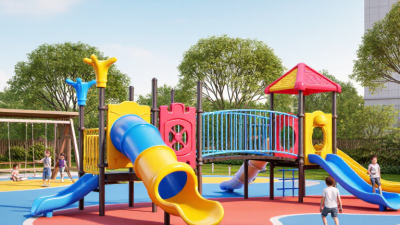
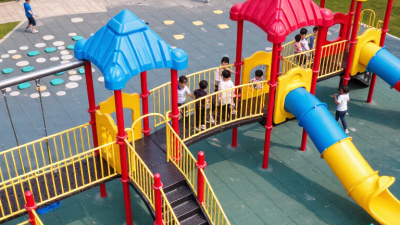
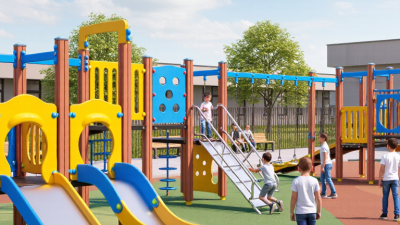
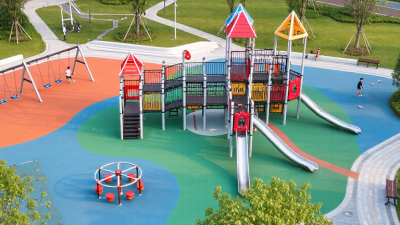
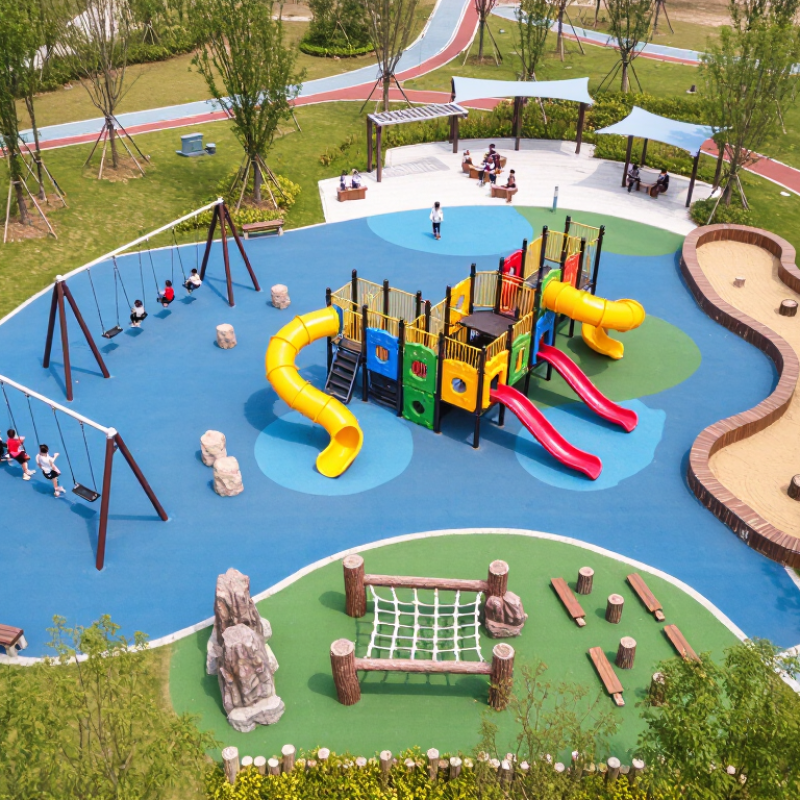
In public parks, playground equipment is usually classified by the kind of play it supports. Climbing structures, swings, slides, spinners, and balance elements each encourage different movements. Many play units combine several activities, so one label may not tell the whole story. A tower might offer climbing, sliding, and imaginative play at once.
Park planners also group equipment by intended age range, access needs, and site conditions. Toddler areas often use lower platforms and shorter slides. Equipment for older children may include taller climbing routes or faster movement. Accessible features can include transfer platforms, ground-level activities, and wide routes between play zones. These details matter, though labels alone cannot show how children will actually use a space. A busy park may need clearer paths and more seating than a quiet site.
Tips: Check the equipment’s age guidance, fall-surface condition, and accessible routes during regular inspections. Notice where children wait or avoid playing. Those small patterns can reveal gaps that a catalogue description misses. Classification is useful, but it is not a perfect substitute for observing the site.
Common Types: Swings, Slides, and Climbing Structures
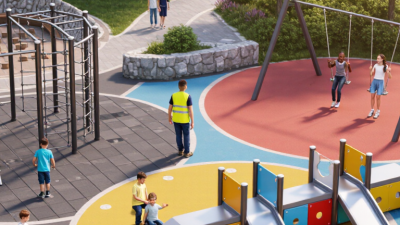
Swings, slides, and climbing structures form a familiar playground mix, but each serves a different kind of play. Swings invite steady movement and can help children practice balance and coordination. Choose seats suited to the intended age range, and leave clear space around the swing path. A swing may look harmless when still. Movement changes the picture.
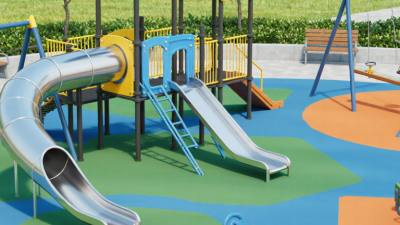
Slides offer a quick, simple challenge. A low slide can suit younger children, while taller designs may appeal to older users. Check that the landing area is unobstructed and that access stairs have secure handholds. Climbing structures encourage strength, planning, and cooperation. Varying heights and routes can make them engaging for different abilities, though one structure rarely fits everyone. A layout can look open on paper, then feel crowded when several children play at once.
Tips: Visit the site at busy times before choosing equipment. Watch where children naturally gather, and look for bottlenecks near entrances or slide exits. Keep sightlines open for caregivers, use impact-absorbing surfacing, and inspect equipment regularly for loose parts or worn surfaces. Small details matter. Revisit the plan after installation; real use may reveal awkward gaps or routes that need attention.
Interactive and Imaginative Play Equipment
Interactive and imaginative play equipment offers more than a climb-and-slide routine. A gear wall, outdoor music panel, pretend market, or low crawl tunnel invites children to test ideas, invent roles, and play together. Small details matter: a wheel should turn easily, while sound panels should not overwhelm nearby seating. A mix of features gives children different ways to join in.
There is a practical health context. The World Health Organization’s 2020 Guidelines on Physical Activity and Sedentary Behaviour recommend that children aged 5–17 average at least 60 minutes of moderate-to-vigorous activity daily. Parks cannot provide all that activity, but playful routes can make movement feel less like exercise. Interaction alone does not guarantee inclusion. A high-mounted panel or confusing control may leave some visitors out. Test designs with children, caregivers, and people with disabilities, then revise awkward features. That step is easy to overlook.
Tips: Keep tactile and visual prompts within reach. Pair active equipment with quiet pretend-play areas. Choose replaceable parts, and inspect moving pieces regularly. Ask children what they would change; their answers may surprise you.
Inclusive Equipment for Different Ages and Abilities
Inclusive playgrounds offer more than a ramp beside a standard slide. They give children of different ages and abilities meaningful ways to play together. Ground-level panels, musical elements, and sand or water tables invite participation without requiring climbing. A ramped structure can connect play zones, but long routes may still feel tiring for some children.
Choose equipment with varied challenge levels. Toddlers may enjoy low steps and gentle slides, while older children often seek climbing nets or taller platforms. Supportive swings and wide transfer platforms can help some children join in. They are not a fit for everyone. Clear spaces nearby let caregivers assist without blocking other children.
Access starts at the entrance. Firm, even paths should lead to play areas, seating, and accessible restrooms where available. Shade and good sightlines help families stay comfortable and keep play in view. Small details matter. A reachable handle or a quiet corner can change a child’s visit. Still, no single design meets every need; observing how local children use the space can reveal what should change.
Inclusive Playground Equipment: Accessible Ground-Level Components
ADA standards set minimums for the number of ground-level play components that must be served by an accessible route.
These requirements apply to component counts, not specific equipment types. Parks can combine options such as accessible swings, ground-level play panels, and sensory activities to offer varied play experiences for different ages and abilities.
Source: 2010 ADA Standards for Accessible Design, Table 240.2.1.2.
Safety, Materials, and Site Selection Factors
Choosing playground equipment starts with the children who will use it and the space available. Swings, slides, climbers, and balance features can serve different ages and abilities, but each needs suitable clearance. A slide exit should open onto a clear landing area, not a busy path. Swings need generous space in front and behind. Small details matter.
Safety depends on thoughtful layout, regular inspection, and appropriate impact-absorbing surfacing. Check that equipment has no sharp edges, exposed bolts, or gaps that could trap clothing or fingers. Rubber surfacing, engineered wood fiber, and other tested materials each have trade-offs. Loose-fill surfaces may shift, so staff must rake and replenish them. Poured surfaces can be easier to navigate, but drainage and repairs still deserve attention. Nothing stays perfect.
Material choice also affects comfort and upkeep. Metal can become hot in direct sun, while plastic may fade or weather over time. Wood offers a natural look, but splinters and wear need monitoring. Before installation, walk the site after rain and during busy hours. Note slopes, shade, drainage, nearby roads, and the routes families actually take. A plan can look sound on paper and still overlook a muddy corner or a patch of afternoon glare.
 +86-13901441113

 CONTACT NUMBER
 CONTACT NUMBER