+86-13901441113


Choosing a playground manufacturer in China involves more than comparing prices or browsing bright product photos. Global buyers need equipment that fits the site, age range, climate, and maintenance plan. A colorful slide may look impressive online, but its dimensions, materials, and installation requirements matter more once it reaches the project site. Details matter.
This guide to Top Playground manufacturers in China is designed to help buyers assess suppliers with practical questions in mind. Look for clear product specifications, consistent communication, documented quality checks, and examples of completed projects. Ask how components are packed, what installation guidance is provided, and whether replacement parts can be sourced later. These details can reveal more than a polished catalogue.
China’s playground industry includes manufacturers with different strengths, from custom designs to standardized equipment and outdoor fitness products. No single supplier suits every project. A school, resort, and public park may have very different needs, even when their budgets are similar. That distinction is easy to overlook.
The companies covered here should be evaluated against your own requirements, not treated as an automatic shortlist. Verify claims, request current documentation, and compare specifications before making a decision. Even a promising supplier may not be the right fit. A careful review can help turn an attractive concept into a playground that is practical, durable, and easier to manage over time.
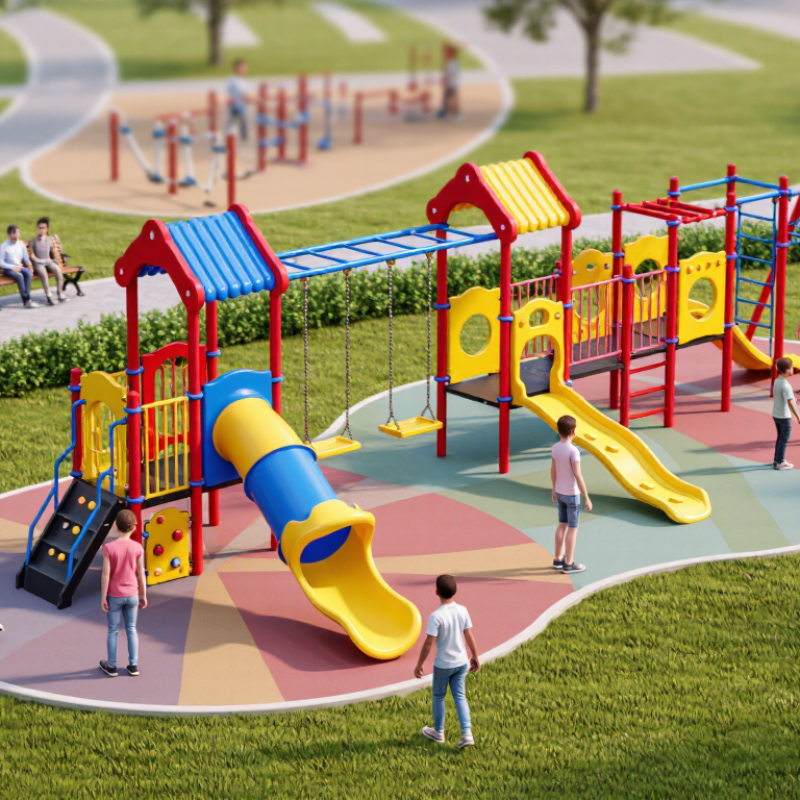
China’s playground manufacturing industry includes factories specializing in molded plastic components, metal structures, soft-play equipment, and complete outdoor installations. Many production clusters bring material suppliers, fabrication workshops, and export services within practical reach. This can shorten coordination time, but it does not guarantee consistent quality. Details matter.
Buyers can learn a lot from asking how a factory controls each production step. For example, request close-up photos of welded joints, coating finishes, panel edges, and assembled connections. Ask how materials are checked before production and how finished equipment is inspected before packing. Clear answers are more useful than a polished catalogue. Not every factory documents these checks equally well, so gaps deserve follow-up.
A sample may look sturdy in a showroom yet reveal little about long-term outdoor performance. Ask for product specifications, installation guidance, maintenance instructions, and relevant test records for the intended market. Confirm who handles packaging and replacement parts, too. These practical details affect delivery and upkeep. A neat factory visit is not proof of reliable production; buyers should compare records, samples, and communication over time. Even careful sourcing has limits, and a checklist can miss real-world wear.
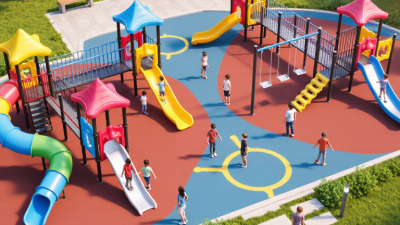
Leading playground manufacturers in China typically offer modular equipment for parks, schools, resorts, and residential communities. Common products include climbing frames, slides, swings, balance elements, and outdoor fitness stations. Buyers can often choose different layouts, colors, and materials to suit a site. A compact school yard may need low-height structures and clear sightlines, while a public park may require several play zones. The right mix depends on age groups, available space, and expected use.
Capabilities go beyond making equipment. Established factories may provide layout drawings, material options, sample review, packing plans, and export documentation. Ask how steel is treated against corrosion, how plastic parts resist weathering, and how connections are inspected. Request product specifications and installation guidance before confirming an order. Details matter. A polished catalog is useful, but it cannot show every production weakness; buyers should verify claims and review a finished sample where practical.
Tips: Share a measured site plan, target age range, and preferred materials when requesting a quotation. Ask for clear photos of joints, platforms, and protective finishes. Compare the proposed equipment with your local safety requirements, and confirm who handles installation support. Leave room for revision. Initial layouts are not always ideal.
| Capability Area | Common Products or Services | Relevant Specifications and Materials | What Global Buyers Should Verify |
|---|---|---|---|
| Outdoor play equipment | Climbing frames, slides, swings, seesaws, and multi-activity play structures | Configurations can combine metal frames, molded plastic components, ropes, and hardware. Product dimensions and age suitability vary by design. | Request dimensioned drawings, intended age range, fall-height information, and installation requirements for each configuration. |
| Indoor play systems | Soft-play structures, ball pools, padded obstacles, and indoor climbing elements | Common components include foam padding, covered soft surfaces, netting, and structural frames. Materials and layouts depend on the project. | Confirm material composition, cleaning instructions, fire-safety requirements applicable to the destination, and maintenance access. |
| Fitness and outdoor recreation | Outdoor fitness stations, balance elements, and recreation equipment for parks or community spaces | Equipment may use coated steel, stainless-steel hardware, or other specified materials. Designs should state intended users and use conditions. | Check user instructions, anchoring details, corrosion-protection specifications, and the inspection and maintenance schedule. |
| Materials and finishes | Material selection, surface treatments, color options, and component fabrication | Possible options include galvanized or coated steel, stainless steel, HDPE panels, molded plastics, and treated timber; actual specifications vary by product. | Ask for material grades, coating or treatment details, UV and weathering information where relevant, and sample or test documentation. |
| Custom design and engineering | Layout adaptation, color coordination, site-specific configurations, and custom component design | Projects may be developed from site dimensions, user needs, and required play activities. Customization can affect tooling, cost, and lead time. | Approve drawings, installation clearances, bill of materials, and change-control procedures before production. |
| Safety and standards documentation | Product testing records, technical files, risk documentation, and compliance support | Relevant standards depend on product type and destination market. Examples include EN 1176 for playground equipment and ASTM F1487 for public-use playground equipment. | Verify the standard edition, product scope, test laboratory, report validity, and whether the documents cover the exact supplied model and configuration. |
| Quality control | Incoming-material checks, in-process inspections, finished-product inspection, and packing checks | Inspection plans can cover dimensions, welds, finish, hardware, assembly, and packaging. Inspection practices are supplier- and project-specific. | Request the inspection plan, acceptance criteria, traceability records, and permission for pre-shipment inspection where needed. |
| Export preparation | Export packing, shipping documents, component labeling, and installation information | Packaging and shipment arrangements depend on the product, order volume, destination, and agreed delivery terms. | Confirm packing dimensions, container or freight plan, spare-parts list, installation manuals, warranty terms, and responsibilities under the chosen Incoterm. |
China’s playground manufacturing sector includes large, export-oriented factories with in-house design, fabrication, and assembly teams. Their product ranges may combine climbing frames, slides, swings, and themed structures. Buyers can ask for production drawings, material specifications, and photos of completed installations. Details matter.
Other manufacturers focus on particular materials or production stages. A metal-focused factory may show how it welds joints and protects steel surfaces, while a plastics specialist can explain molding methods and UV-resistant finishes. Some suppliers coordinate several workshops instead of making every component themselves. That is not automatically a problem, but buyers should clarify who checks quality and handles replacements.
Profiles are useful starting points, not proof of performance. Ask each supplier for recent project references, inspection records, and clear warranty terms. For a busy park, request details about fall zones, anchoring, and maintenance access. Check that proposed equipment suits the site’s climate and expected age range. A polished catalogue can hide practical gaps. Even experienced buyers may overlook spare-part availability or unclear installation instructions. Compare evidence, not just price or renderings, and confirm that specifications match the final quotation.
Global buyers should evaluate playground suppliers through evidence, not catalogue photos alone. Request a product drawing, material specifications, and recent quality records for the exact model under review. Check whether steel sections, plastic parts, fasteners, and protective coatings are clearly identified. Small details matter. Look closely at welds, exposed edges, drainage holes, and the finish around bolt openings. Ask how samples are inspected and what happens when a component fails. A confident answer should include documents, not just promises.
Product suitability depends on the site and the children who will use it. Share the available space, age range, ground surface, and local climate before comparing designs. Ask for anchoring layouts and installation instructions, then confirm which safety standards and test reports apply in the destination market. A supplier’s ability to explain limitations is useful; no single design fits every site. Ask again if specifications change between the quotation and final drawings. Review packaging, spare-part availability, lead times, and communication arrangements too. A polished sample may not reveal production variation, so buyers should agree on inspection steps before shipment. The process is not flawless, but clear records make problems easier to spot and discuss.
A practical checklist framework for comparing suppliers and products from China. Counts show checklist items per evaluation area—not supplier ratings or results from a market survey.
How to use it: Request supporting evidence for each item. For safety and compliance, check which standards and test reports apply to the intended product and destination market; examples include EN 1176, ASTM F1487, and the ISO 8124 series. Applicable requirements vary by product and market.
For global buyers, export readiness means more than arranging a shipment. Ask manufacturers which safety standards apply to your destination and request current test reports, material specifications, and installation instructions. Documentation should match the actual equipment, not just a similar model. Check that packaging protects posts, panels, and hardware from moisture and impact during transit.
Customization works best when it starts with site details. Share the available footprint, intended age range, surface type, and local climate. A clear drawing should show dimensions, fall zones, colors, and connection points. Ask how materials handle strong sun, rain, or coastal air. Even a detailed drawing can miss a small site constraint, so confirm measurements before production. Details matter.
After-sales support deserves the same scrutiny as the product. Confirm warranty coverage, spare-part availability, and response times in writing. Request assembly diagrams and labeled hardware lists; they can save hours when a crew is working on site. Photos of pre-shipment checks are useful, though they cannot replace independent inspection where one is needed. Some suppliers respond quickly before an order, then more slowly afterward. Test the support process with practical questions before committing.